

Cybercab forces Tesla to align factory speed with driverless reality
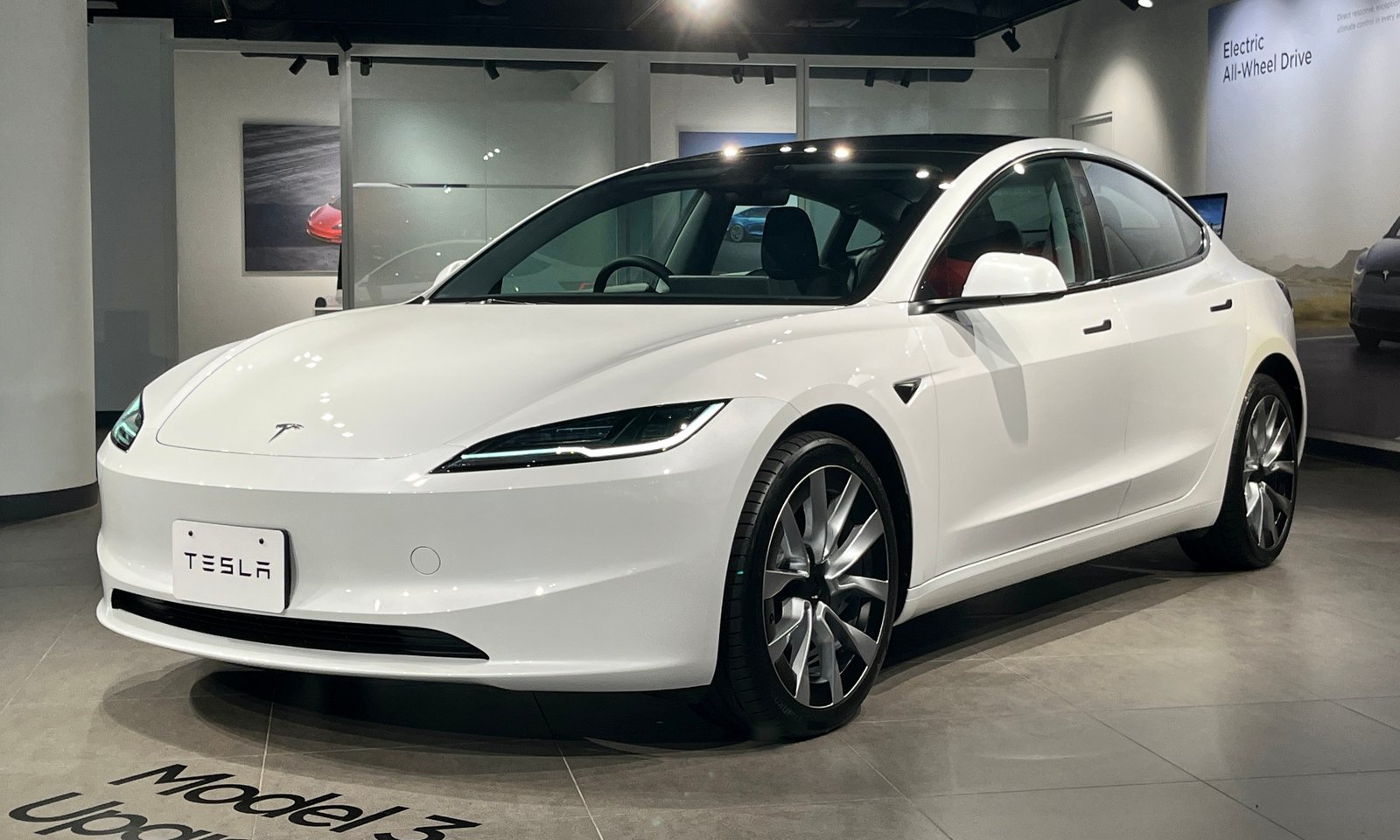
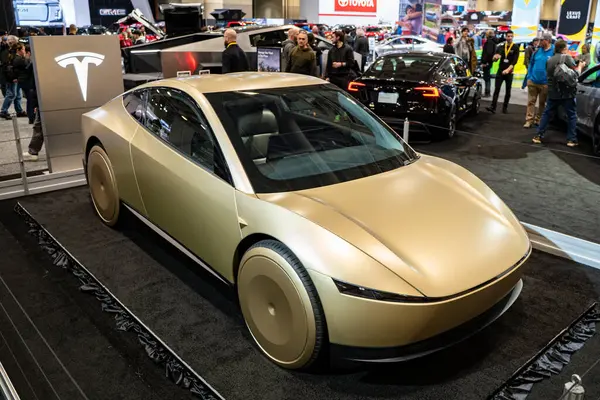
What does it take to build a car that is intended to function without a steering wheel, without pedals, and without a human safety net? Tesla has put that question front and center in its next manufacturing effort at Giga Texas, where the company anticipates its designed-from-scratch Cybercab will go into production in under 100 days. Tesla’s CEO Elon Musk has characterized the vehicle as stripped down to “two seats and a screen,” which is directly related to Tesla’s self-driving technology and its Robotaxi service. The idea is straightforward: if the hardware eliminates the driver interface, the software must bear the entire burden of safety and continuity.
Musk has attempted to manage the expectations of the ramp itself, stating that the initial production will be slow due to the Cybercab’s introduction of many new parts and processes. “initial production is always very slow and follows an S-curve. The speed of production ramp is inversely proportionate to how many new parts and steps there are. For Cybercab and Optimus, almost everything is new, so the early production rate will be agonizingly slow, but eventually end up being insanely fast.” Tesla has also stated its plans to produce at least 2 million units a year, which makes manufacturing repeatability as important as autonomy performance.
This combination of new vehicle architecture and new operating model draws regulators into the mix. In the U.S., cars that do not use conventional controls are considered outside the normal federal safety standards until they gain exemptions, which have taken long enough to impact engineering timelines in the past. A new approach by the National Highway Traffic Safety Administration to expedite approvals for cars designed without human controls changes the timeline for carmakers seeking dedicated robotaxi hardware. For Tesla, the implications are less about the individual car and more about whether a high-volume factory can lock in tooling and supplier agreements without a multi-year regulatory wait in the wings.
The economics of software are also becoming more stringent around this same time frame. Tesla is still reminding its customers that a “one-time” chance to transfer Full Self-Driving to a new car expires on March 31, 2026, as has been communicated to customers about the transfer deadline. At the same time, Tesla has made it clear that it plans to offer FSD only on a subscription basis for new access, effectively treating FSD not as a hard asset but as an operational expense that may or may not follow a given car. For engineers and car fleets, this is important because it changes who gets to keep the long-term value of the software: the owner, the car fleet manager, or Tesla.
The insurance industry is already being rewritten around this same line. Lemonade has rolled out a product aimed at autonomous vehicles that claims to reduce the cost per mile for FSD-engaged driving by 50% using a technical approach that enables the ability to differentiate between human-driven miles and FSD-driven miles and even different software versions. According to the company, “Traditional insurers treat a Tesla like any other car, and AI like any other driver,” Lemonade president Shai Wininger said. “But a car that sees 360 degrees, never gets drowsy, and reacts in milliseconds can’t be compared to a human.”
The Cybercab thus finds itself at a crossroads where the curves of production ramp-up, the processes of exemption, software licensing, and actuarial models all must come to the same central conclusion: whether a car without controls can be validated as a product, and not a prototype. Tesla has already gone through “production hell” before, and Musk’s own words indicate that the problem of the factory is known. The more difficult reconciliation is between the speed of production and the speed of validating that the driver is no longer part of the system.