

Ford’s 4.4 Million-Vehicle Tow Recall Shows How One Module Can Darken a Trailer
A modern tow package may fail in a manner that is invisible to the driver in the cab: the trailer will continue moving but important rear lights and brake controls may not reach the trailer. That danger lies in the core of a Ford campaign of almost 4.4 million vehicles in which a software bug can cut off the communication between the truck or SUV and the light and electric-brake circuits of the trailer.

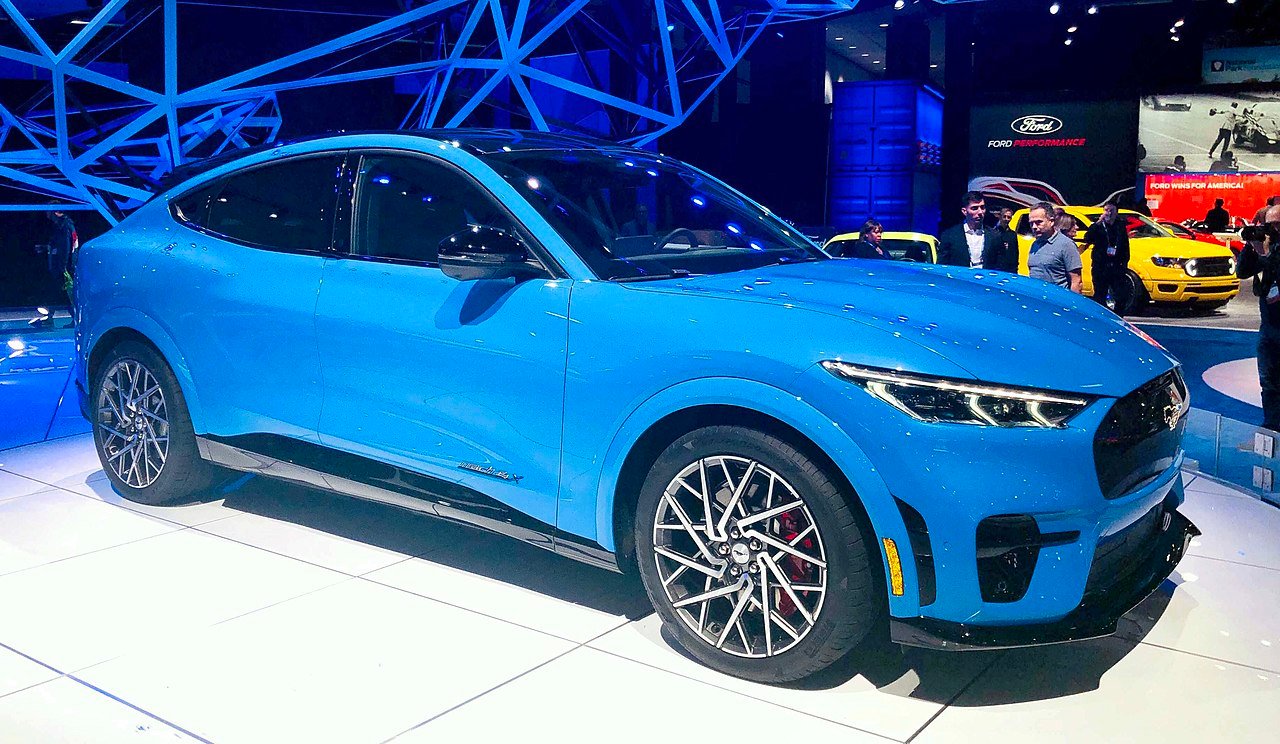
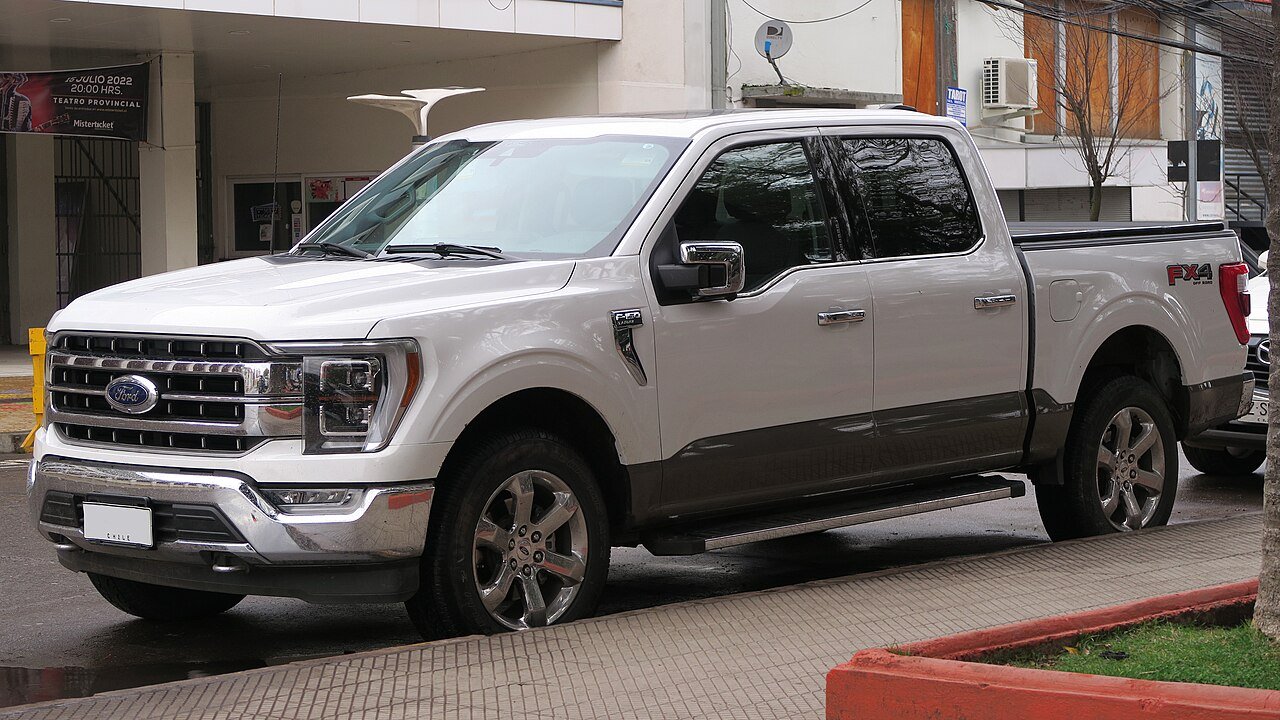
The vehicles referred to are the 20212026 model years and comprise high volume pickups and truck-based SUVs. All the affected vehicles number to 4,380,609 vehicles, which include F-150, F-250 Super Duty, Expedition, Maverick, Ranger, E-Transit, and Lincoln Navigator. Ford has reported that it has no knowledge of the related accidents, injuries or fires related to the condition and estimates approximately 1 percent of the recalls population as having the defect.
Hardware-wise, the problem is the Integrated Trailer Module (or ITRM) a controller which assists in controlling the trailer lighting, and (optionally) also the trailer brake output. The failure condition is not a blown fuse or corroded connector, but a software “race condition” which may occur during start-up, leaving the ITRM powered up but not able to communicate on the vehicle network. Practically the system can prevent passing information on the trailer brake lights and turn signals, and in certain instances it can also influence the braking of the trailers. Due to the fact that trailers require the control strategy of the tow vehicle to communicate, and not as standalone systems, a short-lived start up communications outage may result in a situation where the driver believes that everything is working fine until he or she receives no signals at the seven way connector. When something is wrong, drivers tend to be given hints.
According to Ford documentation, there was a dashboard warning like a “Trailer brake module fault” and some vehicles may contain a blind-spot system fault warning. Those alerts are important since integrated trailer systems do not just offer power to the trailers, but also oversee loads and circuit behavior. Integrated trailer brake controllers as described in service-industry literature on such systems are based on load measurements and module logic to determine when to switch circuits on, and their operation may vary dramatically compared to older aftermarket controllers which were mostly independent devices. That is, a tow issue that appears to be a trailer wiring issue may arise within the tow vehicle control path and the diagnostic method must adhere to the system architecture and not the old bolt-on controller tradition.
The remedy is software-based. Ford will roll out an over-the-air update to fix the vulnerability and avoid the loss of communication and the dealership services are also free of charge to the owners who want to update their vehicles in the shop or are not capable of using OTA delivery. The deployment start date is described in reference materials as March 2026, and this fix will match the current pattern of correcting safety and driving characteristics of late-model trucks and vans.
To engineers and technicians, the incident highlights a bigger fact: towing performance is becoming more of a software-defined fact. Module boot-up and network state can gated visibility of trailers to other traffic, timing of brake command, and even the capability of the vehicle to confirm a connected load. With added automation and diagnostics to tow packages, the quality bar has moved beyond mechanical reliability to start-up sequencing, network resiliency, and fail-safe operation, particularly in systems which other drivers use to make sense of what the towing vehicle is doing in front of them.