

California’s 30-Day Sales Threat Puts Tesla’s Autonomy Claims Under Fire

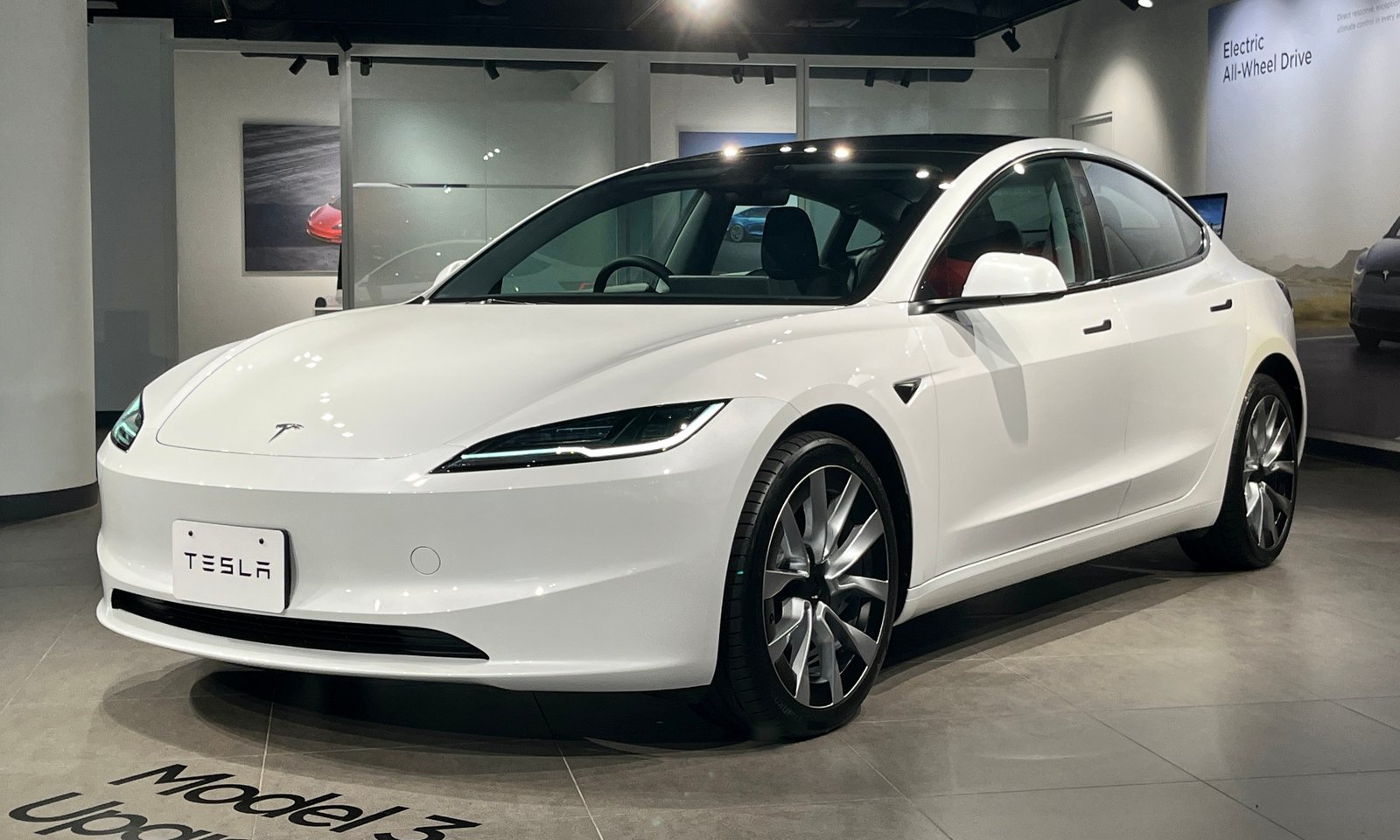
“Could one word put a multimillion dollar dent in electric car juggernaut Tesla’s sales in California?” That’s the worrying question currently hanging over the EV giant following a ruling from the state that it’s been deceiving consumers over its “Autopilot” and “Full Self-Driving Capability” advertising, which could see it have its dealer’s license suspended for 30 days if it doesn’t correct this in the next two months.
1. Decision of the Judge and Ultimatum from DMV
“A reasonable consumer wouldlikely believe that a vehicle with Full Self-Driving Capability can safely operate without the constant, undivided attention of a human driver,” Administrative Law Judge Juliet Cox wrote in ruling that Tesla had been practicing deceptive marketing for years by advertising features that went far beyond the capabilities of its Level 2 driver assistance systems. The California Department of Motor Vehicles adopted the ruling but gave Tesla a 60-day grace period before issuing the suspension.
2. Marketing Language Under Scrutiny
“The court determined that ‘Full Self-Driving’ was ‘unambiguously false and counterfactual,’ while ‘Autopilot’ was ‘part and parcel of an unlawful tradition of ambiguity.’ Tesla has since renamed this feature ‘Full Self-Driving (Supervised),’ although some marketing materials continue to use ‘Autopilot.’ But ‘Autopilot,’ as required by the DMV’s decision, must ‘strip or significantly modify all advertising using said claims.’”
3. Tesla’s Response
Tesla, through its PR agency FGS Global, labeled the move an overreach by the authorities and said, “not one single customer came forward to say there’s a problem” and added that there will be no impact on the sales in California. Tesla CEO Elon Musk agreed and said the same on X.
4. Significance of California’s
Despite this setback, Tesla continues to experience growth. California is Tesla’s biggest market within the US, boasting more than 70 dealerships and an overall production level of approximately half a million units each year. A sales pause of only 30 days is expected to impact their revenues and overall governmental policies toward advanced driver assistant systems.
5. Autonomous Vehicles Regulatory Framework
“Tesla has this challenge in an increasingly complex regulatory environment,” said Woods. “California is tightening up regulations, going from disengagement reports to reports of dynamic driving task failures, and while this is happening, states such as Texas have lower levels of regulatory barriers. Federal legislation such as the AV Safety Data Act or the Autonomous Vehicle Acceleration Act gives guidance to regulatory bodies in building appropriate Federal Motor Vehicle Safety Standards to govern levels 4 and 5 automation.”
6. Tesla Robotaxi Initiative
In the face of such legal headwinds, Tesla is now speeding up robotics taxi developments. In Austin, the firm is testing its cars without the presence of safety operators on board, while Musk sees this as a prep stage for a nationwide rollout of the robotaxis, although its target range is reduced of late. In the six months of its operation, its cars are known to have been involved in at least seven incidents.
7. Advantages of AI & Data
Tesla’s autonomous driving development is also backed by an enormous dataset gathered from more than 500,000 cars worldwide. Through the concept of “imitation learning,” the AI systems at Tesla analyze driving habits, data from sensors, and edge cases to optimize decision-making. This makes their system different from those of their rivals, which work with data created in simulated environments.
8. Market Performance Amid Challenges
Despite facing a sales decline of 9% during the first nine months of 2025, Tesla’s stocks had climbed to an historical peak of $495.28 before stabilizing around a price lower than $470 a share. While market confidence seems to be less dependent on present vehicle sales than on Musk’s AI-centric strategies that include humanoid robots and self-driving mobility services, a strong market indicates changeover to valuation paradigms that focus on future technological promise rather than present outputs.
9. Political and Geopolitical Context
The incoming Trump Administration takes a deregulatory approach to AVs that may ease restrictions imposed by Washington but may lead to weak regulation on matters of safety. This kind of environment may be further pressed by high levels of competition arising from U.S. and China’s differing regulations in areas of EV technology and AVs, particularly in relation to Tesla. California’s move brings Tesla to a crossroads as it will be forced to either fall in line with tougher marketing regulations or face the possibility of freezing all its sales in its most important market. Either option not only raises how committed Tesla is to adjusting to the changing landscape, as others will have to consider too when pursuing autonomy.