


Japan’s Al-Fe-Mn-Ti Alloy Redefines High-Temperature 3D Printing Performance

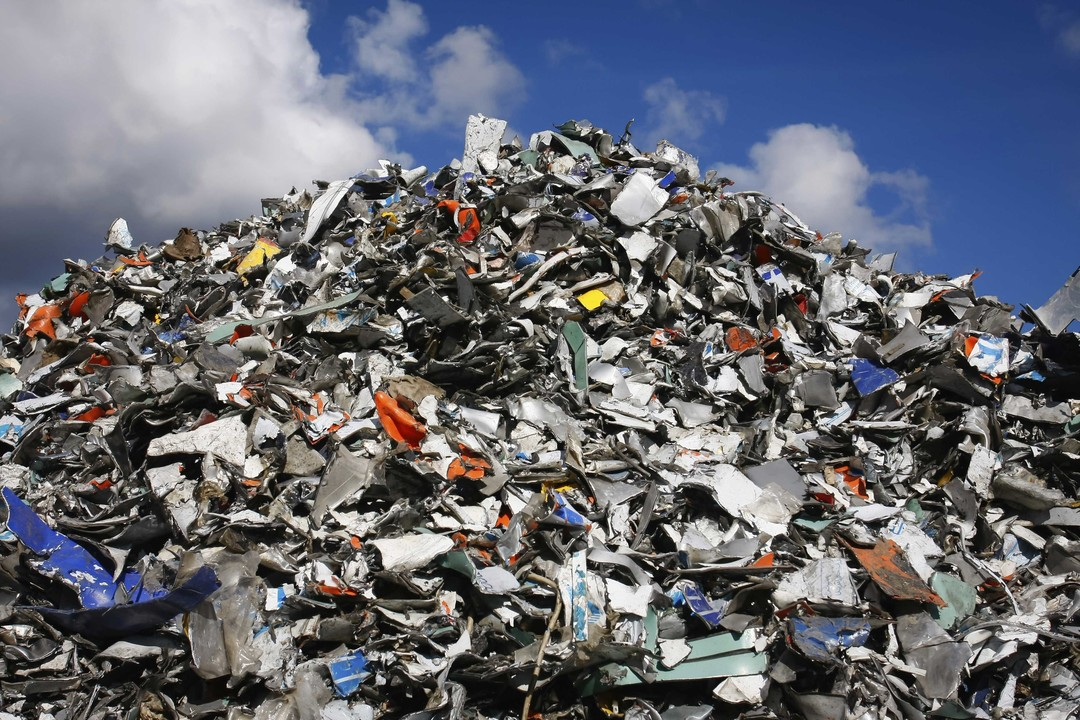
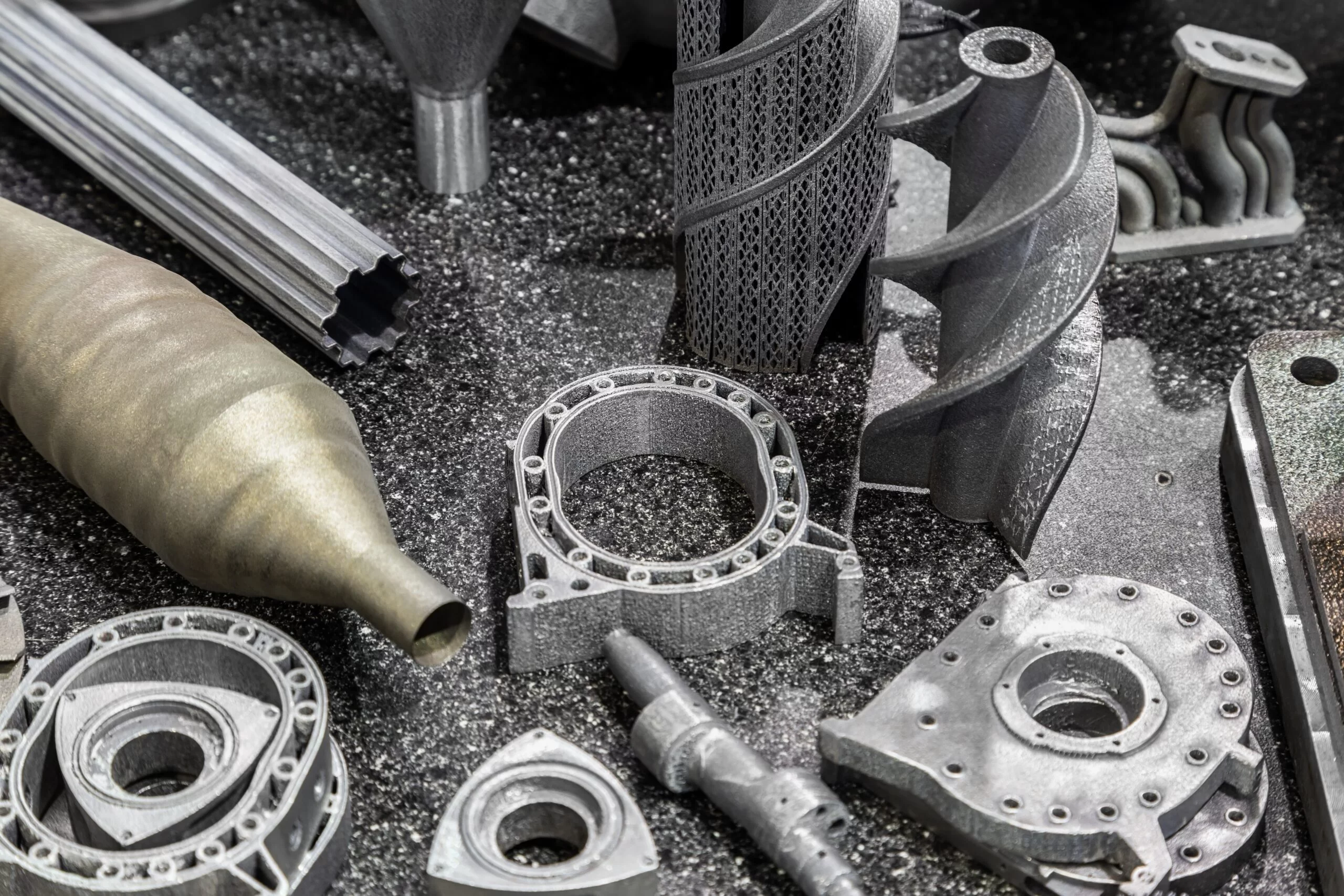
“The known strength properties of aluminum always entailed a ‘catch’: when it exceeds 200°C, it becomes much weaker, thus excluding it from engines, turbines, and similar applications in warmer environments,” said one publication. However, scientists from Japan’s Nagoya University broke away from convention and developed a recyclable aluminum alloy, which remains strong and malleable at 300°C, specifically Designed for L-PBF Additive Manufacturing.
1. Breaking the Iron Taboo
Until recently, metallurgists have deliberately steered clear of adding iron to aluminum because of the coarsening of brittle intermetallics such as Al??Fe?. “The structure is focused on iron, which is something that metallurgists typically never add to aluminum because it makes the material brittle and corrodable,” said Naoki Takata, the study’s lead author and a professor of the Graduate School of Engineering at Nagoya University. The scientists harnessed the rapid cooling rate characteristic of L-PBF of over 10? K/s in order to precipitate Fe into metastable Al?Fe modifications, which cannot be formed by traditional casting, turning this particular element from a contamination source to a reinforcement material.
2. Elemental Partitioning for Microstructural Control
To achieve optimal performance of the alloy, one must control the partitioning of additional elements when solidifying. Taking into account their beneficial synergistic effects, the addition of Mn and Ti was chosen, as Mn refines the Al?Fe phase, thereby improving the strength at elevated temperatures, while the Ti additive partitions to the matrix and contributes to a nanoscale heterogeneous nucleation, resulting in a small-grained microstructure of the ?-Al/Al?Fe system.
3. Microstructural Stability at High Temperatures
Long-term exposure at 300 ?C revealed very little coarsening of the metastable Al?Fe phase in the Al-Fe-Mn-Ti alloys. TEM and EBSD results verified the suppression of grain growth and intermetallic coarsening by Mn in the Al?Fe phase and Ti in the ?-Al matrix. This was a very important consideration for components undergoing steady high-temperature exposure.
4. Alloy Design Guided by Computations
In the process design, CALPHAD modeling and high-throughput printability mapping were employed to avoid hot cracking, balling, and micro-segregation. By considering composition and process limitations concurrently, the research team was able to determine the window of composition for which the microstructures of solidification could be precisely controlled to be strong and processable.
5. Superior Mechanical Performance
The results of the tensile tests showed yield strengths of more than 250 MPa at 300?°C with elongations of 14–17% at room temperature. The Al-Fe-Mn-Ti alloy produced with >99% relative density showed less anisotropy of the ductile properties due to the influence of Ti on refining the grains, as opposed to conventional highstrength aluminum that tends to show cracks during
6. Simplified and More Reliable Printing
The conventional high-strength aluminums were prone to warped and fractured samples during the L-PBF processing due to thermal gradients. Moving on, the optimized solidification process combined with the refined microstructure helped make the new alloy easier to print with reduced defects. There were no specifications for this requirement.
7. Cross-Sector Impact Potential
This alloy has automotive applications where it can replace heavy metals used at high temperatures. This reduces the weight of vehicles, resulting in lower consumption of fuel. For the aerospace industry, it facilitates the development of light compressor rotors as well as turbine components that function well at high temperatures. For energy applications, it offers high resistance against temperatures.
8. A Framework for Future Metals
Besides aluminum, the process can provide a roadmap to build other metals for Additive Manufacturing by combining principles in rapid solidification physics, control of elemental partitioning, and design maps computation. “Our approach is based on fundamental principles of science understanding elemental behavior in rapid solidification in 3D printing, which can also apply to other metals,” Takata told The Deseret News. By redefining the role of the iron component and integrating it with Mn and Ti through a metastable-phase-stabilized microstructure, the group of researchers at Nagoya University has expanded design possibilities in the area of high-performance, sustainable alloys in additive manufacturing in a move that has immediate applications in mobility, aerospace, and energy areas.”