

AI-Enhanced Morphing-Wing VTOLs Redefine Autonomous Industrial Flight
‘Could the next great mission for the enterprise be airpower without runways?’ It seems the answer to this question, at least in the form of the latest generation of AI-powered vertical take-off and landing (VTOL) designs, ought to be a very affirmative ‘yes’ to the solution of such challenging environments through the application of morphing wing physics, onboard AI vision, and edge computing.

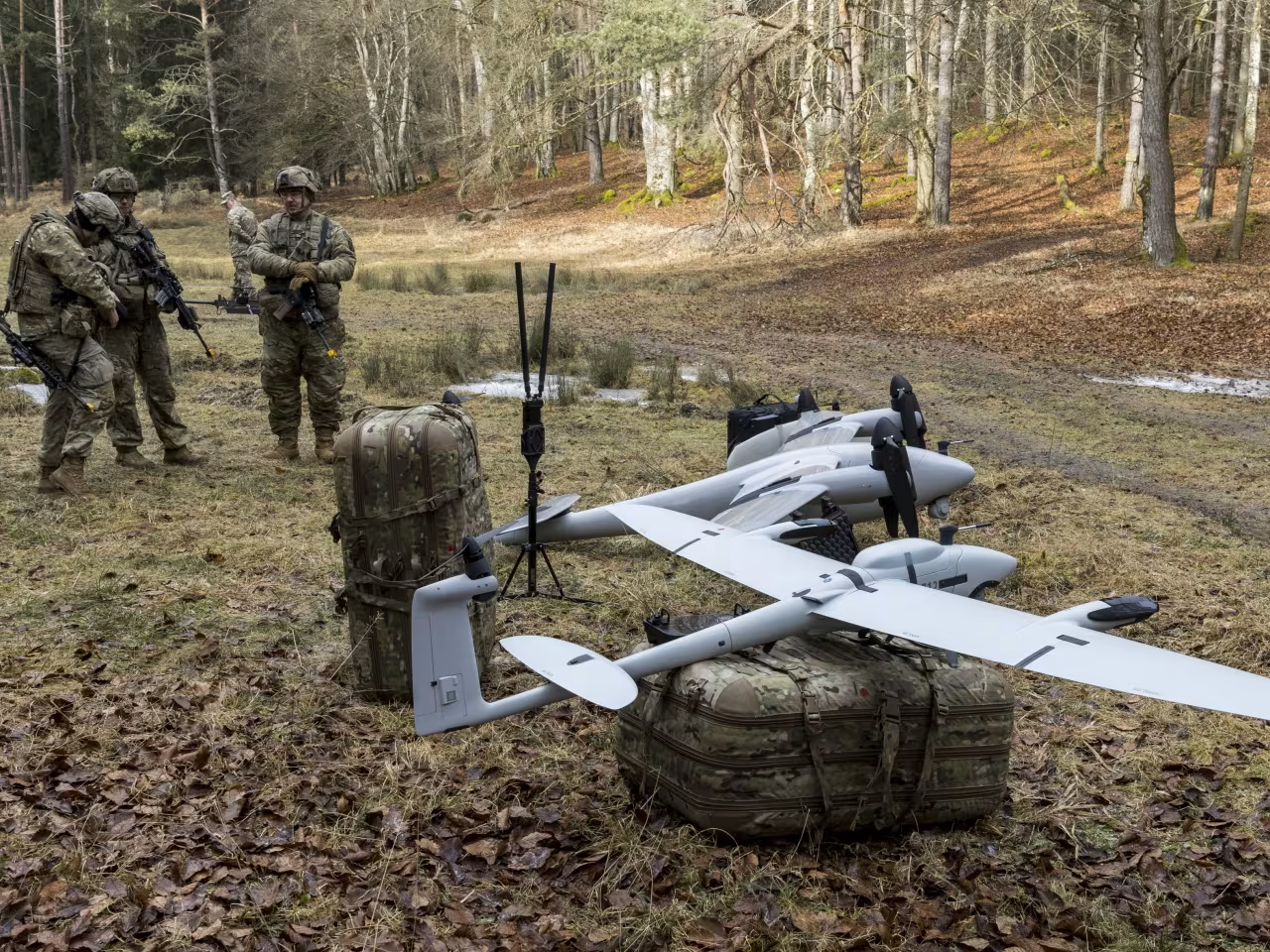
Behind each of these experimental designs is the integration of adaptive aerodynamics with perception systems in real-time, one using a Transwing design, inspired by folding wing designs, retracting its wings when lifting off vertically to reduce drag until spreading them out efficiently during forward motion, and in contrast, a Tiltwing device that turns its entire wing 90 degrees inwards, aligning lifting surfaces and motors to cut down on drag during start-off, thus optimizing transitions from start-off to cruise. According to many in the tilt wing camp, this reduces “download” and transitions more smoothly and safely in comparison to a tilt-rotor aircraft, while maintaining a clean, drag-free shape during cruise operation.
Both aircraft incorporate light-weight composites reinforced with carbon in high-stress areas. This also indexes industry developments that trend towards the use of advanced composites that display high strength/weight ratios. The modular framework allows for quick part replacement on test aircraft. CAD digital twins develop lift/drag coefficients and wing shapes that define center-of-gravity locations before the process can be perfected physically.
However, the transition from automation to autonomy can be best observed in the AI vision systems employed in these VTOL aircraft. These aircraft come equipped with cameras, GPS, and environment sensors and operate by processing images locally to their flight controllers, thereby avoiding the latency associated with the cloud and facilitating immediate adjustments to their flight paths. This type of edge processing represents the larger trend in robotics to enable edge UAVs that are able to function in environments with reduced connectivity, such as oil rigs, mining plants, or disaster-stricken areas, and represent an important step from automated to autonomous systems.
The trade-offs between the two designs were highlighted through the field trials. The Tiltwing, though simpler in mechanics, provided ease of control and good hover stability. The Transwing, though complex, provided better aerodynamics during forward flight conditions. This becomes important during long-range missions and when carrying batteries. Even in situations involving adverse wind conditions, both drones demonstrated good stability and provided high-quality mapping information. This justified their applicability at an industrial level for aerial intelligence.
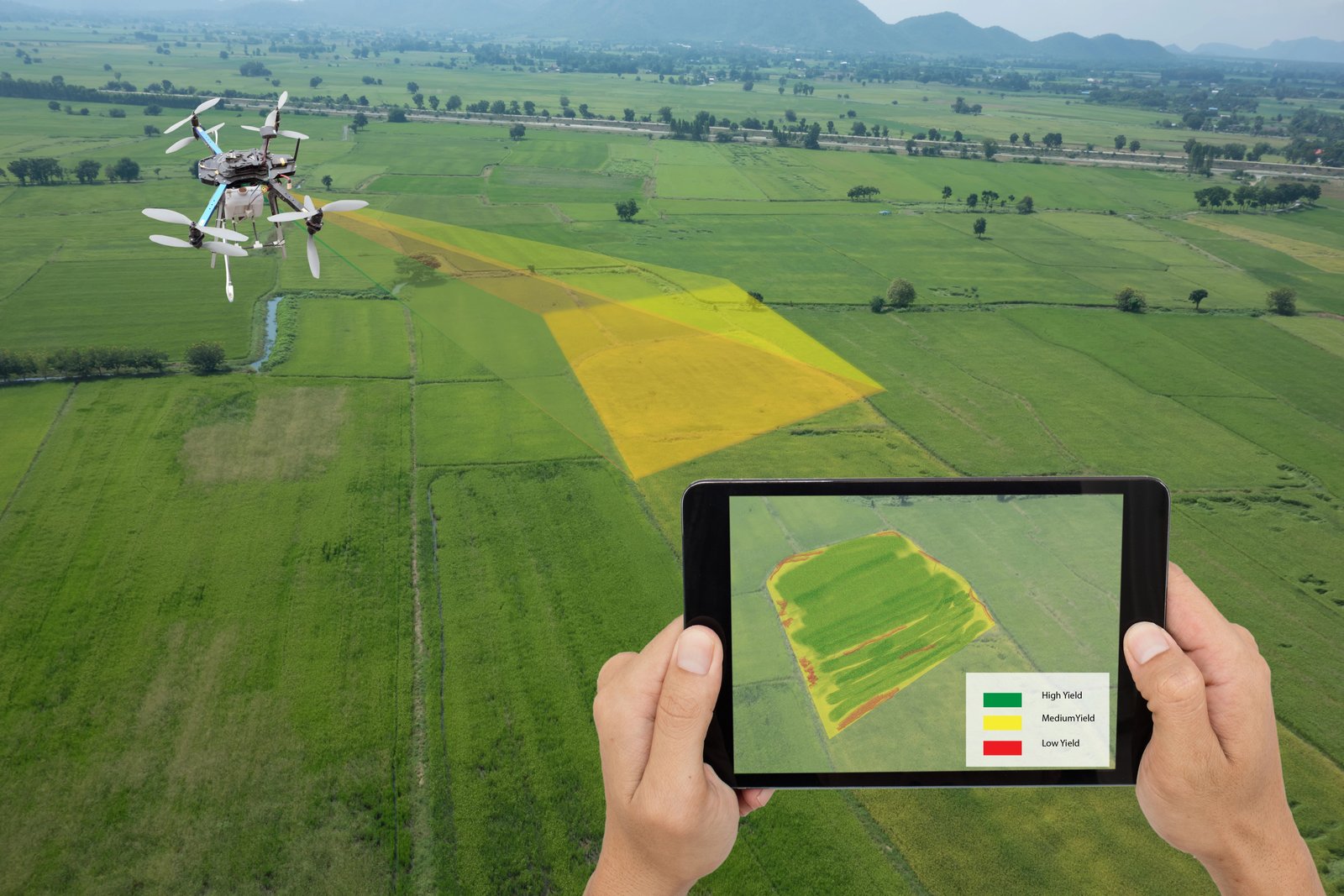
For enterprise tech executives, this has profound implications. These types of VTOL aircraft can be operated as self-guided data-point gathering agents, injecting real-time imagery and data directly into analytics engines. Within industries such as energy, infrastructure, or logistics, the ability to harness edge-computed airborne platforms has already brought about real-time infrastructure surveillance, agricultural intelligence, or environment scanning at breakneck speed. With the combination of AI-powered sensory intelligence and morphing wings, managers can deploy airborne platforms that excel at both optimized speed and range or agile flight, but also morph their wings in-flight to do so.
The Morphing Wing system itself is based on cutting-edge research in multi-axis actuation, wherein robotic joints facilitate the adjustment of pitch, yaw, and sweep of up to ±15° during flight. This enables the system to be aerodynamically configured for drag reduction and increased lifter as needed for the changing parameters of the “all-terrain” mission.
Future models of these prototypes will focus on increasing sensor suites, power optimization in their batteries, and increased airframe sizes to handle greater payloads, says Harsh Mathur, Director of Global Business for Mobility at Dell Technologies. The intersection of autonomy, edge, morphing, and VTOL is poised to make VTOLs a crucial part of next-generation enterprise operations, allowing for access to intelligence in locations thought to be unreachable in the past, he adds. For aerospace engineers and innovation managers, these advances signal a move towards air systems that are not only mechanically flexible but also cognitively adept—aircraft that think, adapt, and carry out complex tasks with very little human supervision.