


Circular Economy as a Manufacturing Supply Chain Advantage
Global manufacturing supply chains, the intricate networks that underpin modern industry, have evolved to deliver efficiency at scale. Yet these same networks have become increasingly exposed to disruption. Geopolitical tensions, environmental pressures, and volatile trade relationships have amplified the fragility of supply flows, making resilience not just a defensive measure but a competitive differentiator. In this context, the circular economy offers a framework that transforms vulnerability into strength.
At its core, the circular economy departs from the linear “take-make-dispose” model, replacing it with regenerative systems designed to restore products, materials, and energy. This approach pushes manufacturers to rethink value creation, prioritizing durability, repairability, and recyclability from the outset. Techniques such as part harvesting, remanufacturing, refurbishment, and recommerce reduce reliance on scarce inputs and single-source suppliers, enabling a more adaptable supply chain.
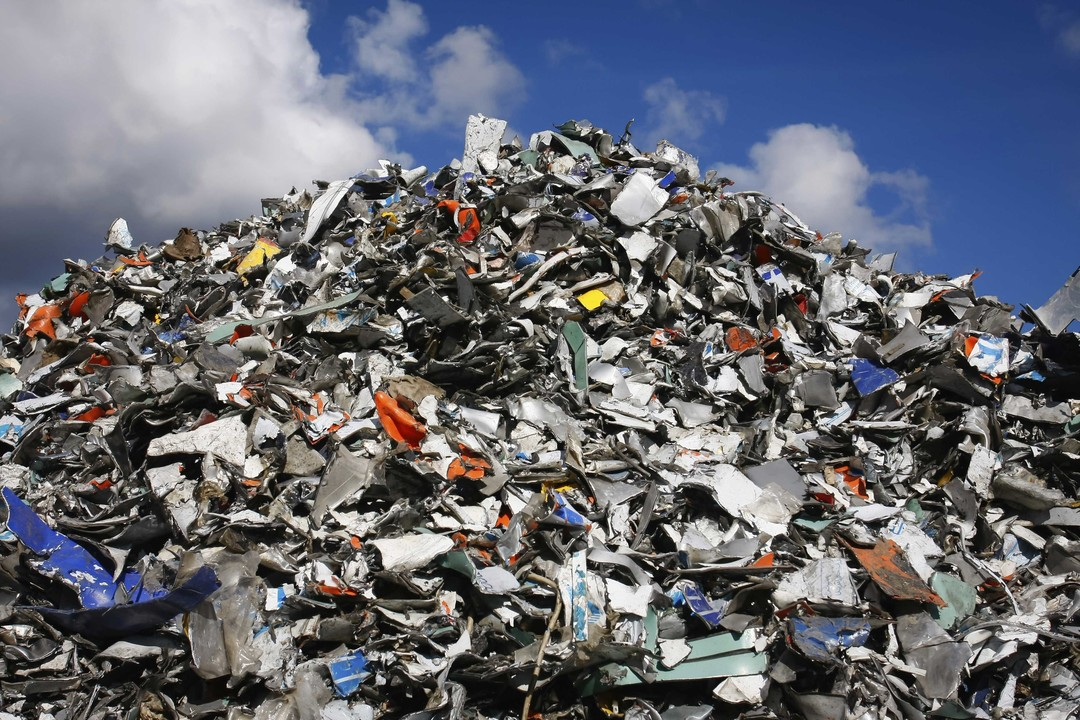
By retaining control over the lifecycle of components and materials, manufacturers can prevent resource leakage and keep valuable inputs circulating within their operational sphere. This not only mitigates exposure to supply shocks but also decouples growth from raw material consumption, conserving value while reducing environmental impact. The deliberate design for end-of-life recovery ensures that materials re-enter production streams efficiently, reinforcing supply chain continuity.
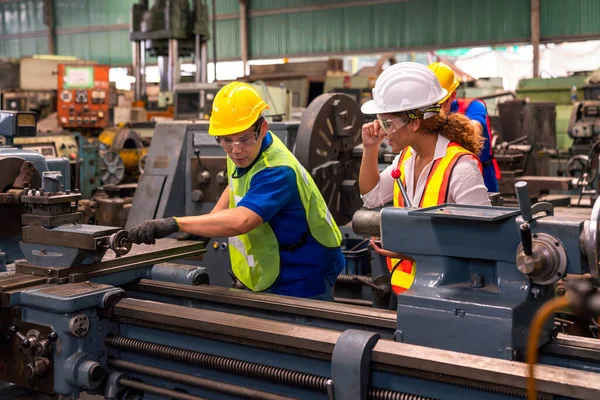
Circular principles also encourage localized production ecosystems. Designing products for longevity and ease of repair supports regional networks of service providers, from small-scale repair shops to specialized remanufacturing facilities. Such ecosystems reduce dependence on imports and create resilient local economies. Governments are beginning to reinforce this trend through incentives for sustainable design, support for recycling infrastructure, and regulations favoring the use of recovered materials.
However, integrating circularity into manufacturing is not without obstacles. Regulatory frameworks can inadvertently impede progress. Materials classified as “waste” may face stringent transport or reuse restrictions, complicating recycling and remanufacturing efforts. Market acceptance poses another challenge; some customers remain skeptical of products made from recycled or remanufactured components, requiring sustained education and transparency to shift perceptions.
Financial considerations weigh heavily. Transitioning to circular models demands investment in infrastructure for collection, sorting, and processing, alongside the capital required for new service-oriented business models. In many cases, short-term costs exceed those of sourcing virgin materials, making the economic case harder to establish without long-term vision.
Mindset shifts are equally critical. Internally, organizations must overcome entrenched habits and linear process inertia. Upstream suppliers may resist changes that disrupt established value chains, while downstream customers must adapt to new usage and ownership models. Building a market for circular services depends on overcoming skepticism, fostering cross-industry partnerships, and ensuring robust supply chains for repair, refurbishment, and recycling.
A diverse network of part harvesters and recyclers is essential to avoid overreliance on single providers. This diversity enhances flexibility and ensures that recovery processes can withstand disruptions. Digitization adds another layer of complexity and opportunity. Tracking materials across their lifecycle demands integration of technologies such as IoT sensors, Digital Product Passports, and AI-driven analytics. These tools can deliver transparency and efficiency but require significant investment in systems and skills.
Manufacturers embracing circular economy principles stand to lead a transformation in supply chain design. By auditing current practices, setting a strategic vision for circularity, and piloting targeted initiatives, they can test and refine approaches before scaling. This journey reframes waste as a resource, turning end-of-life products into opportunities for innovation and value creation.
Leadership, persistence, and a clear commitment to environmental and societal benefits will be necessary to overcome resistance. For those prepared to act, circularity offers a path toward supply chains that are both resilient to global shocks and aligned with sustainable growth.