

Ariane 6 Faces Mounting Delays and Rising Costs
In December 2014, after protracted negotiations among Germany, France, and Italy, the member governments of the European Space Agency approved the development of the Ariane 6 rocket. The decision was driven by mounting cost pressures from emerging commercial competitors, notably SpaceX and its Falcon 9. The plan was to create a modernized successor to the Ariane 5, optimized for affordability by reusing proven technologies such as a modified Vulcain engine and other components from earlier Ariane vehicles. The target for its inaugural launch was set for 2020.
The political structure of European space policy played a decisive role in shaping the project. ESA’s funding model requires member states to contribute financially and, in return, receive proportional participation in space programs. This led to a geographically distributed development and manufacturing process under the leadership of ArianeGroup, a French aerospace conglomerate. The arrangement ensured political balance but also introduced inefficiencies.
The combination of national interests and the operational culture of a traditional aerospace prime contractor—accustomed to guaranteed contracts—resulted in slow progress and escalating costs. The debut of Ariane 6, officially projected for “late 2023,” is now expected to slip into 2024. Development costs have nearly doubled to $4.4 billion.
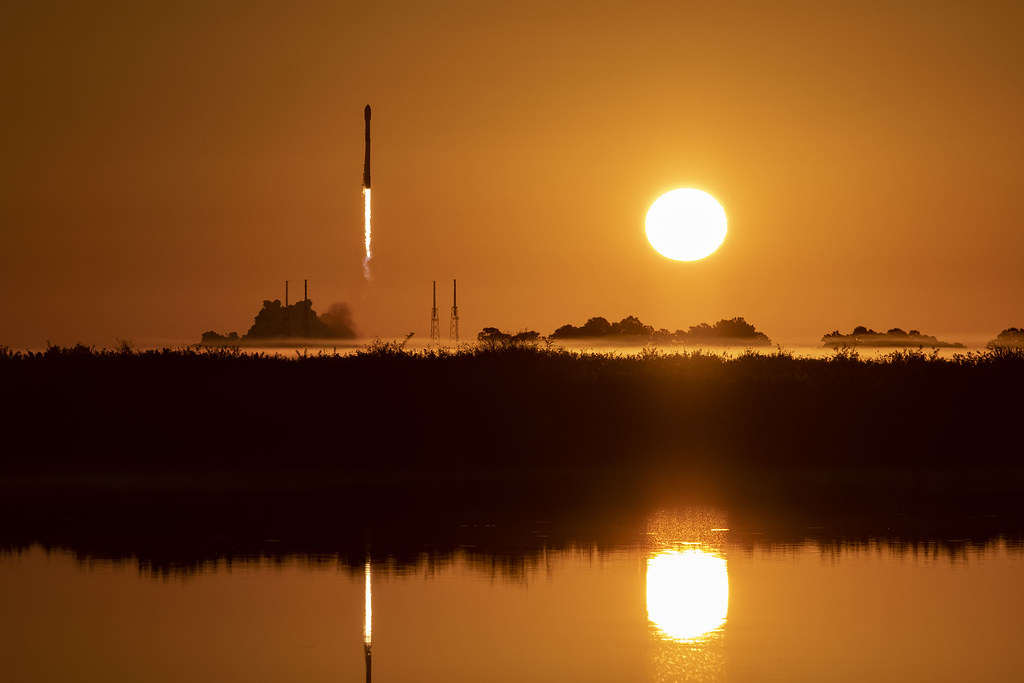
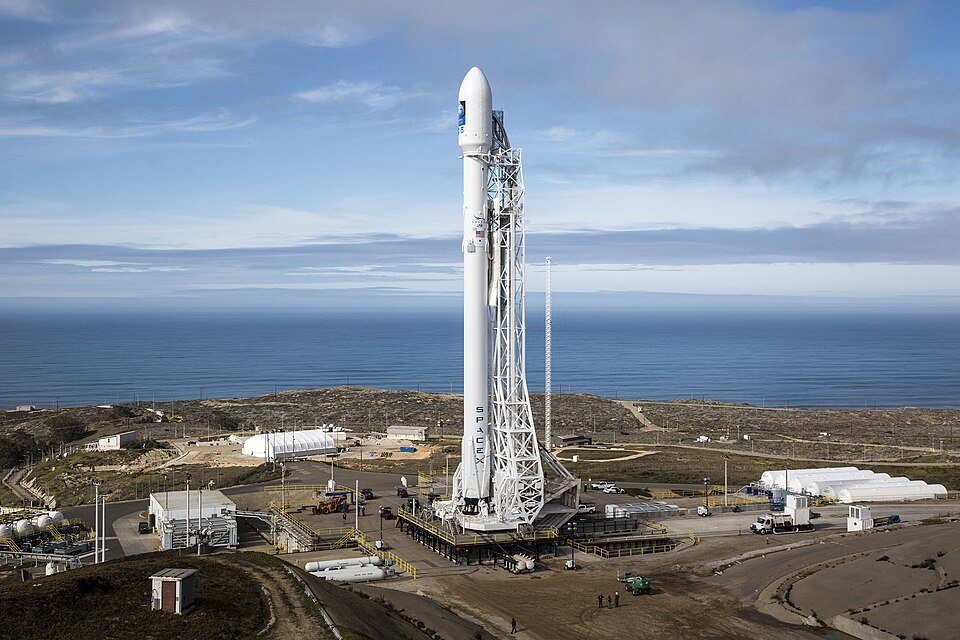
This timeline underscores the stark contrast with SpaceX’s Falcon 9, the rocket Ariane 6 was intended to compete against. In the nine years since Europe initiated the program, Falcon 9 has nearly doubled its payload capacity, achieved partial reusability, and reduced launch costs significantly. The vehicle has flown more than 215 missions, approaching the total number of launches by the Ariane family since 1979. Operational maturity has made Falcon 9 highly reliable, with the capability to launch on schedule with minimal delays.
The question of why Europe continues to invest in a rocket that is more expensive and technologically behind its main competitor is rooted in strategic autonomy. European governments prioritize independent access to space, ensuring they can launch critical military and scientific payloads without reliance on NASA, Russia, or privately owned American launch services. This policy has gained urgency following geopolitical developments that severed Europe’s access to Russia’s Soyuz rocket.
From an engineering perspective, Ariane 6’s design choices reflect a conservative approach. By reusing heritage hardware, ESA aimed to control risk and streamline certification. However, this also limited opportunities to leap ahead technologically. While SpaceX invested heavily in reusability and rapid launch cadence, Ariane 6 remained focused on incremental cost optimization within the bounds of established manufacturing processes.
The distributed industrial model, while politically necessary, has introduced logistical complexity. Components are manufactured in multiple countries, requiring extensive coordination and transport before final assembly. This multi-national supply chain, though beneficial for political buy-in, has proven vulnerable to delays and inefficiencies.
For Europe’s aerospace sector, the Ariane 6 program illustrates the tension between political imperatives and competitive engineering. Maintaining sovereign launch capability is a legitimate strategic goal, but achieving it through a system burdened by fragmented production and slow adaptation to market shifts has proven costly. The evolving global launch market, shaped by rapid innovation cycles and aggressive cost-cutting, has left Ariane 6 struggling to match the pace.
While the rocket will eventually provide Europe with an independent launch vehicle, its protracted development highlights the challenges of balancing national interests, industrial policy, and technological competitiveness in the modern space economy.