

Carbon Nanotube Composites Poised for Deep Space Missions
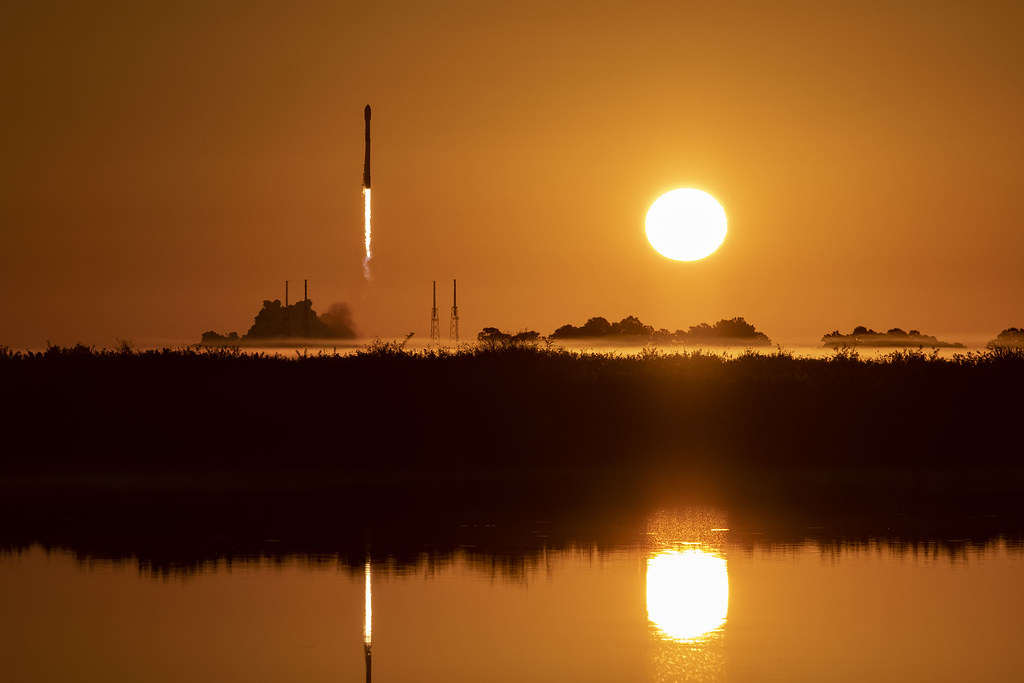
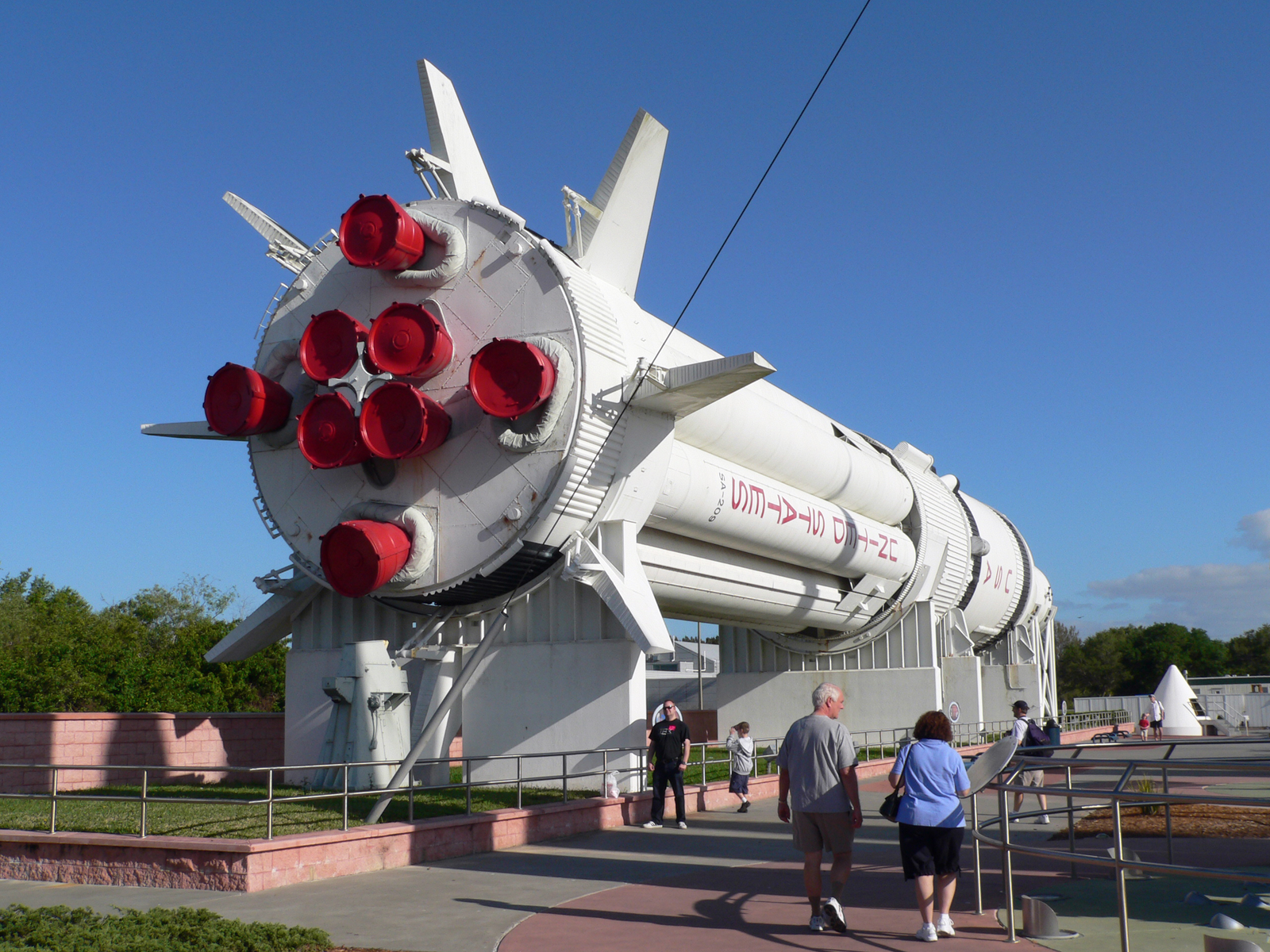
NASA’s ambitions to return humans to the moon and ultimately send crews to Mars hinge on spacecraft capable of enduring extreme environmental stresses. Among the challenges are violent swings in temperature, shifts in atmospheric density, and the high-velocity impacts from micrometeoroids that can occur even when striking particles smaller than a grain of sand. Meeting these demands requires materials that combine exceptional strength with minimal weight.

Since 2017, a 10-university consortium led by Michigan Technological University has been collaborating with NASA to address this materials challenge. Ibrahim Guven, Ph.D., an associate professor in Virginia Commonwealth University’s Department of Mechanical and Nuclear Engineering, plays a key role in the effort. An internationally recognized authority in computational models for fracture and materials failure analysis, Guven brings expertise in nondestructive testing and modeling complex materials to the project.
The team’s focus is on developing an ultrastrong, ultralight structural material that can serve as the primary load-bearing fuselage for spacecraft bound for deep space. Such a material could also be used to fabricate cargo containers for returning samples and other payloads to Earth. The economic incentive for minimizing mass is substantial. As Guven noted, “The cost of transporting 1 pound of weight to the moon and back is currently about $100,000, and the cost of sending a pound to Mars and back is roughly $1 million.” The implication is clear: every gram saved directly reduces mission costs.
The solution under development is based on carbon nanotube composites. Carbon nanotubes, described by Guven as “rolled-up slices of graphene,” possess remarkable tensile strength and predictable structural properties. Their molecular arrangement allows them to be stretched and twisted into yarn-like fibers, which can then be woven into sheets, tapes, or braided into lattice structures. This versatility in form enables engineers to tailor the composite’s mechanical properties to specific spacecraft requirements.
In aerospace applications, the integration of carbon nanotube composites offers a significant advantage over traditional materials such as aluminum alloys or carbon fiber reinforced polymers. The nanotube-based composites promise higher strength-to-weight ratios, improved impact resistance, and enhanced thermal stability. For missions involving atmospheric reentry, these attributes are critical to ensuring both crew safety and structural integrity.
Much of the development process is computational. Using advanced simulation tools, Guven and his colleagues model the extreme conditions encountered during space travel. These include the intense aerodynamic heating during reentry, the mechanical stresses from acceleration and deceleration, and the vibrational loads from launch and maneuvering. By pushing virtual prototypes to their limits, the team can refine designs before physical fabrication, reducing both time and cost in the development cycle.
The computational approach also allows for rapid iteration. By adjusting parameters such as fiber orientation, weave density, and resin composition, the researchers can predict how each variation will perform under specific mission profiles. This data-driven methodology is expected to yield a “computationally driven design paradigm” that NASA can apply not only to carbon nanotube composites but also to other advanced materials.
The broader implications extend beyond crewed missions. Lightweight, high-strength materials are equally valuable for unmanned spacecraft, planetary rovers, and even terrestrial applications such as high-performance vehicles and drones. In each case, reducing mass without compromising strength can lead to greater efficiency, longer operational life, and expanded capabilities.
Guven’s work underscores the intersection of material science, computational engineering, and aerospace design. By harnessing the unique properties of carbon nanotubes and leveraging sophisticated modeling techniques, the team is contributing to the foundational technologies that will make deep space exploration safer, more economical, and more feasible.