


FAA Endorses Harper College’s Expanding Drone Program
The Federal Aviation Administration has formally recognized Harper College’s Drone Technology and Applications certificate program as part of its Unmanned Aircraft Systems–Collegiate Training Initiative (UAS-CTI). This designation places Harper among a select group of institutions nationwide that meet the FAA’s standards for preparing students for careers in unmanned aircraft systems. In northern Illinois, Harper now stands alone in holding this status, and it is one of only two such programs across the state.
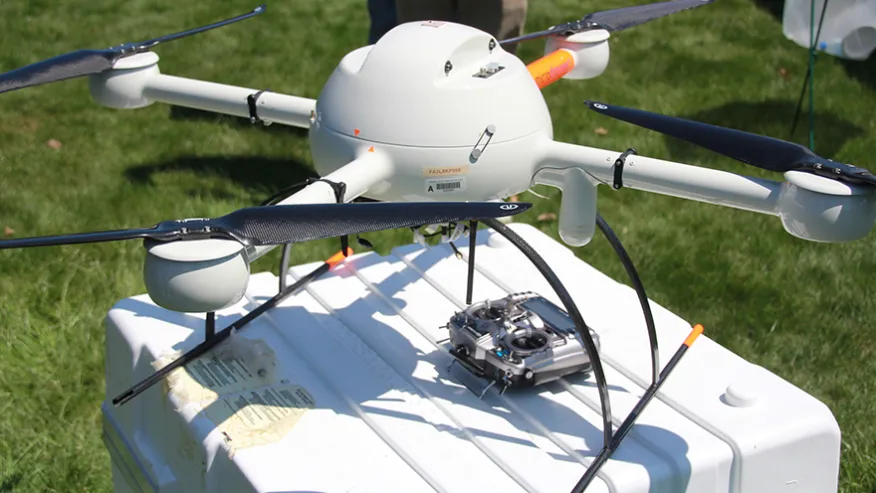
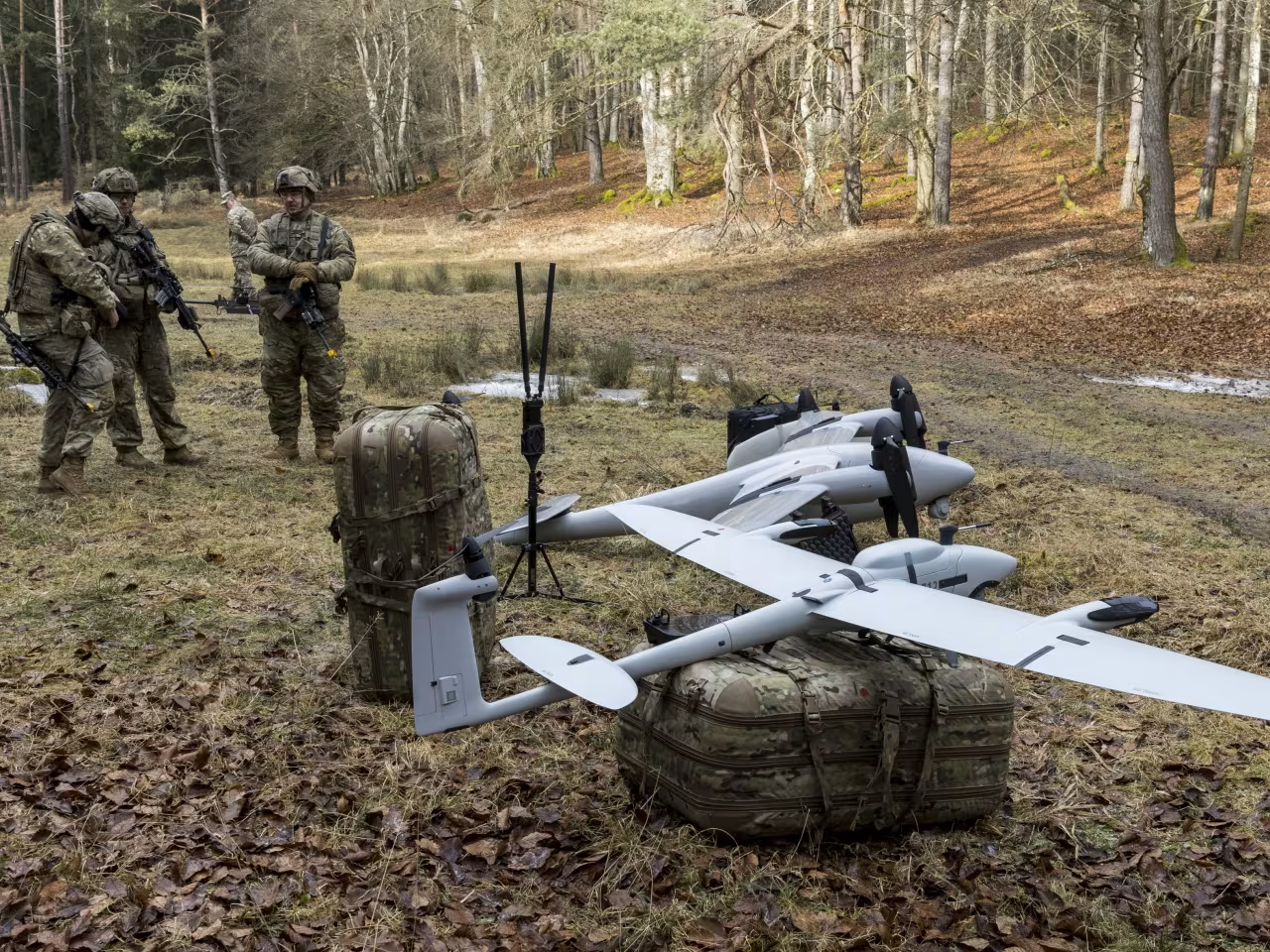
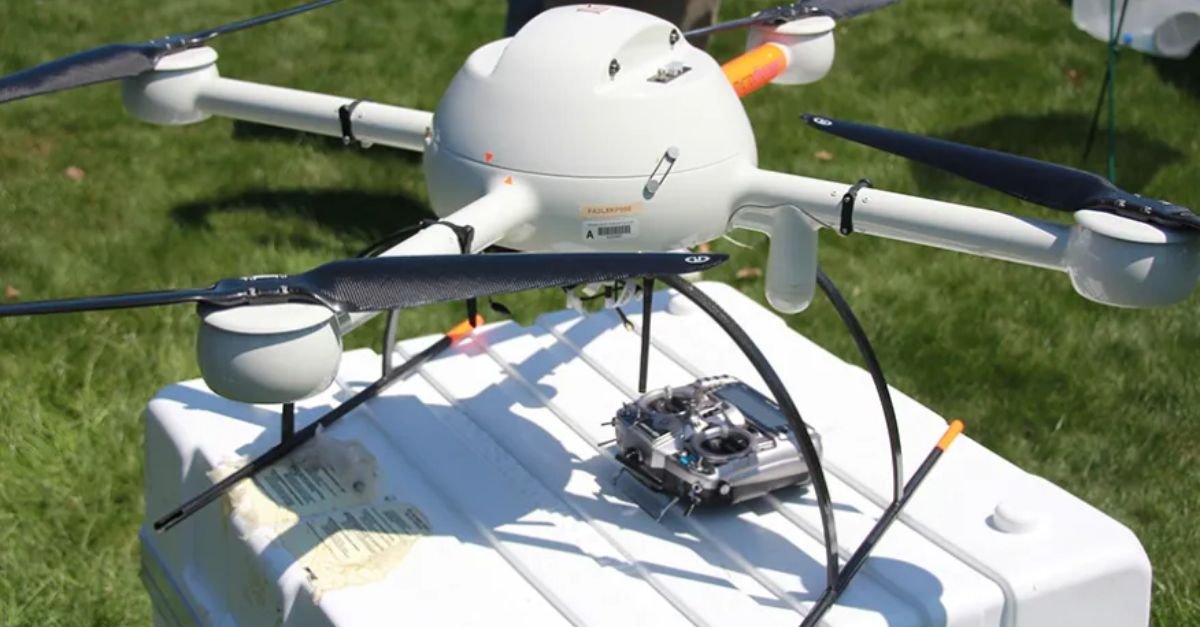
Launched in the spring semester of 2021, the program was initially designed to address student interest in drone technology while aligning with the FAA’s criteria. “We designed this program to meet the needs of students, but in the process, we met the FAA requirements too,” said Mukila Maitha, coordinator of Harper’s drone program, associate professor, and chair of the Geography department. He noted that the curriculum integrates multi-rotor and fixed-wing drones, simulation tools, and strong connections to geospatial technology. The combination of hardware, lab facilities, and instructional expertise was key to meeting the FAA’s expectations.
The UAS-CTI initiative identifies colleges that offer comprehensive UAS training, including hands-on piloting, system maintenance, operational applications, privacy considerations, safety protocols, and adherence to federal regulations. Harper’s certificate program comprises six courses covering drone piloting, geospatial technologies, and aerial photography. While most coursework is delivered online, flight training requires a blended format to provide essential in-person instruction.
From its first semester, the program reached full enrollment. Maitha credits the enthusiasm of students and the skill of instructors such as Richard Schultz, an adjunct educator with deep experience in geospatial disciplines. Under this guidance, many students felt prepared to pursue their FAA Remote Pilot Certificates well before completing their first term. According to Maitha, every applicant from that inaugural group earned their license.
One early participant, Angelica Avalos, discovered the program through Harper’s Geographical Information Systems (GIS) offerings, which share overlapping technical foundations with drone operations. After completing a GIS certificate and serving as a supplemental instructor, she enrolled in the drone program while working toward an Associate in Science degree. Avalos intends to graduate in fall 2022 and transfer to a four-year university to study geography. “One of my dream jobs would be to work for the National Park Service,” she said. “I’d love to be able to explore things like natural resources, forestry and more through drone imagery.”
Her credentials have already proven valuable. Through roles with a local park district and internships at Harper’s facilities management and the Lake County Forest Preserves, Avalos demonstrated her aerial imaging skills to colleagues accustomed to outsourcing such work. “Not everyone can claim ‘licensed drone pilot’ on their resume,” she said, laughing.
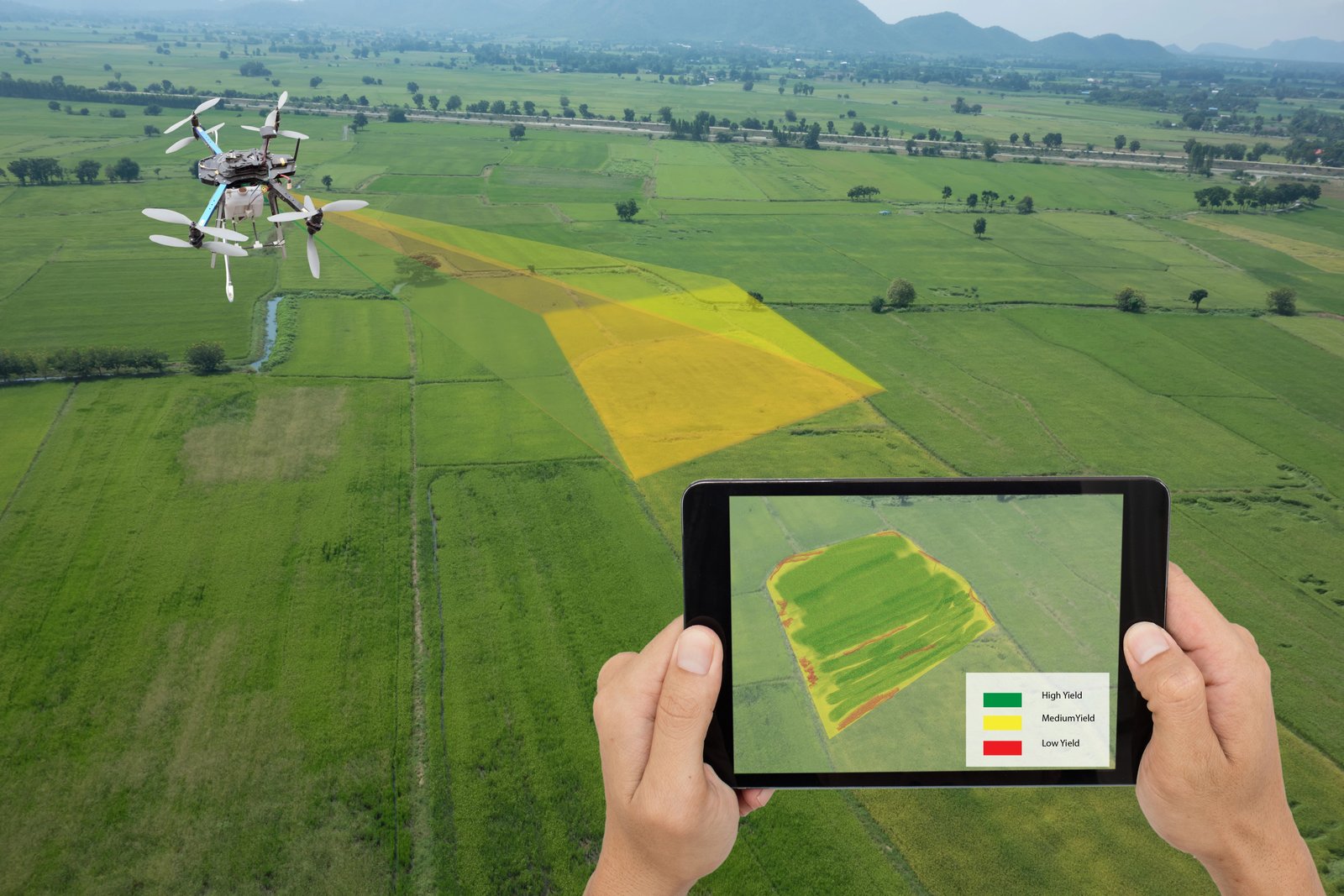
The diversity of her classmates’ backgrounds underscored the technology’s broad applicability. Alongside aspiring geographers were real estate professionals, photographers, firefighters, and educators. Others came from natural resource management or marketing. This variety reflects the expanding role of drones in sectors ranging from environmental monitoring to commercial media production.
Maitha views this cross-disciplinary appeal as evidence of the program’s relevance to emerging workforce demands. He described the FAA’s recognition as a validation of Harper’s “high standards” and “rigor and resources in terms of expertise and the needs of students.” The UAS-CTI designation also signals potential for further development. “There is opportunity for significant growth for Harper, for students,” Maitha said. “This opens the door to serving the drone education needs throughout the Chicago metropolitan area and beyond.”
Drone technology’s integration into academic programs like Harper’s reflects a broader trend in aerospace and robotics education. By combining technical proficiency with regulatory literacy and application-specific skills, such initiatives are equipping a new generation of operators to meet both commercial and public-sector needs. The FAA’s endorsement reinforces the importance of structured, standards-based training as unmanned systems continue to evolve in capability and scope.