

Space Tourism’s Breakthrough Year and Its New Reality
At the start of the 21st century, Virgin Galactic executives spoke confidently about sending paying passengers into space within just a few years. Founded by Richard Branson, the company’s early optimism collided with harsh realities. In 2007, a rocket system test for SpaceShipTwo ended in an explosion that killed three people. Seven years later, tragedy struck again when a test flight crashed in the Mojave Desert, claiming the life of a pilot. These setbacks underscored the unforgiving nature of aerospace engineering and the complexity of human-rated spacecraft development.

By 2021, the landscape had shifted. On July 11, Branson joined three crew members at Spaceport America in southern New Mexico to board VSS Unity, a refined iteration of SpaceShipTwo. The vehicle climbed to 54 miles above Earth, offering sweeping views of the planet and a brief experience of zero gravity—about four minutes—during the hour-long flight. The mission demonstrated not only technical maturity but also operational confidence in Virgin Galactic’s approach to suborbital tourism.
Nine days later, Blue Origin’s New Shepard carried Jeff Bezos and three others to 63 miles altitude. The flight profile was similar: a rapid ascent, minutes of weightlessness, and a controlled descent. The vehicle’s vertical launch and landing architecture contrasted sharply with Virgin Galactic’s air-launched spaceplane, highlighting divergent engineering philosophies in the commercial spaceflight sector.
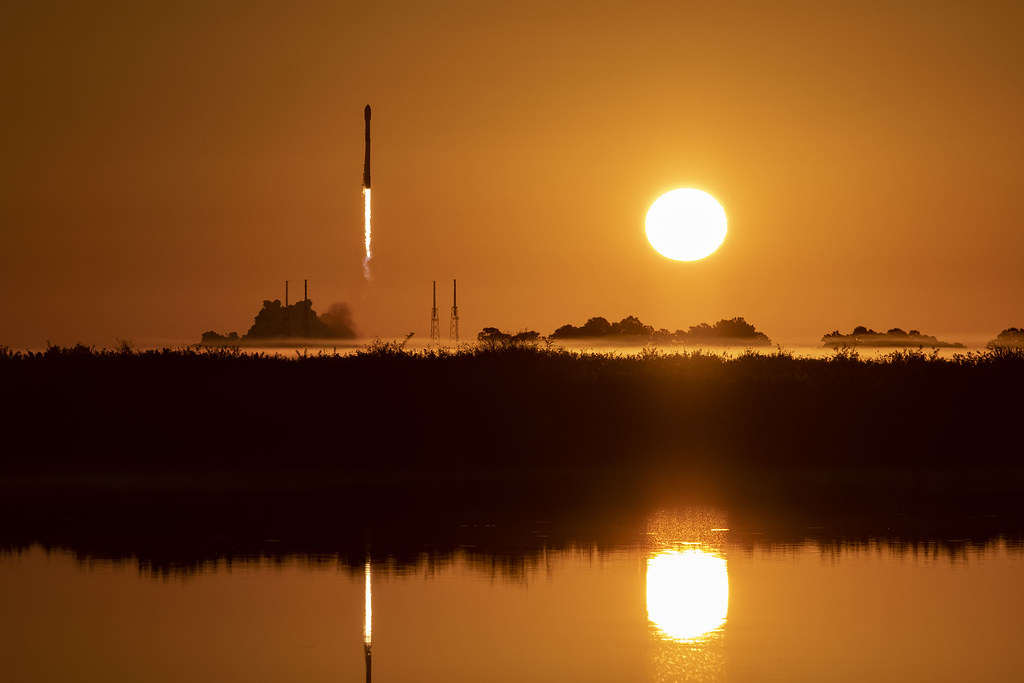
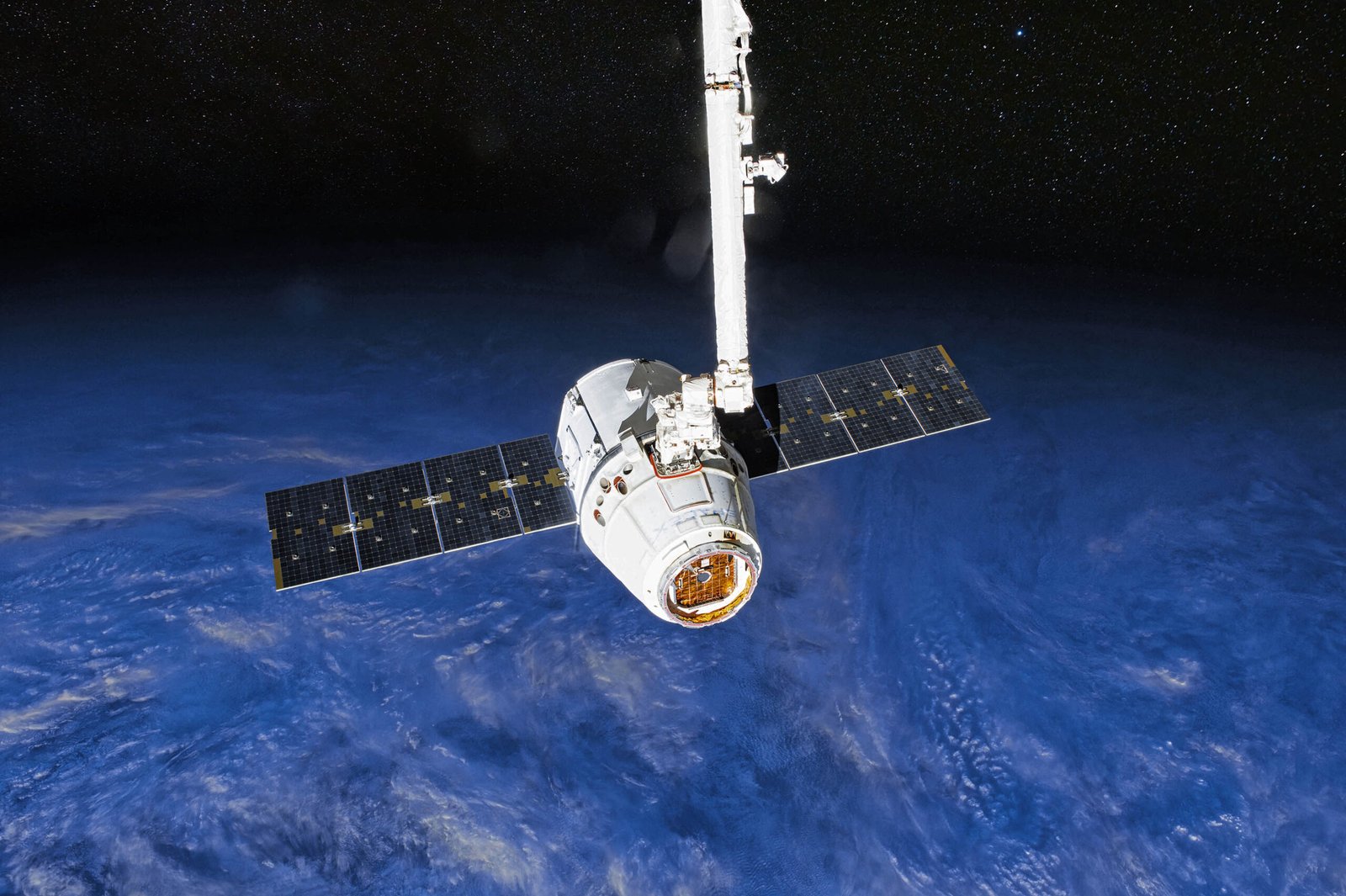
September brought a different milestone. SpaceX’s Inspiration4 mission launched four civilians aboard a Crew Dragon capsule into orbit above the International Space Station’s altitude. The mission lasted roughly three days before splashing down off Florida’s coast. Unlike the brief suborbital flights of Virgin Galactic and Blue Origin, Inspiration4 required life-support systems, orbital navigation, and reentry capabilities comparable to professional astronaut missions. This marked the first time an entirely private crew had flown a multi-day orbital mission without government astronauts.
These flights represented the culmination of decades of aerospace research, iterative design, and risk management. While private individuals had previously purchased seats on NASA shuttles or Russian Soyuz spacecraft, the 2021 missions were different: they were conceived, built, and operated entirely by private companies. The Federal Aviation Administration, noting the surge in commercial launches, announced it would retire its Commercial Space Astronaut Wings program in January, shifting to online recognition of space travelers.
Beth Moses, Virgin Galactic’s chief astronaut instructor and a veteran of NASA, reflected on the moment: “I honestly think that we are at the dawn of an incredible inflection point in history for human spaceflight. I truly believe that seeing Earth from space is transformative and will ultimately help humanity and the Earth in unknown ways.” Her perspective aligns with long-standing beliefs in the psychological and cultural impact of the “overview effect,” a phenomenon reported by many astronauts.
Danielle Bernstein, co-lead of the Aerospace Corporation’s Space Safety Institute, emphasized the shift in access: “Until this year, it’s predominantly been government-focused—NASA propelling astronauts to the space station. That’s an achievement, but also a turning point where we’re noticing the effects of the democratization of space. You don’t need to be an astronaut to go to space.” Her observation points to a fundamental change in the aerospace ecosystem, where mission planning, safety protocols, and training are being adapted for participants without professional astronaut backgrounds.
From an engineering standpoint, these achievements reflect advances in propulsion reliability, materials science, and human factors design. Virgin Galactic’s hybrid rocket motor, Blue Origin’s BE-3 liquid hydrogen engine, and SpaceX’s reusable Falcon 9 booster each embody different solutions to the challenge of cost-effective, repeatable access to space. The integration of autonomous flight systems, precise guidance software, and robust thermal protection further illustrates how decades of incremental innovation can converge into commercially viable human spaceflight.
For aerospace engineers and enthusiasts, 2021 demonstrated that private-sector ingenuity could deliver on long-promised visions of space tourism. The technical diversity among these missions offers fertile ground for study, from suborbital trajectory optimization to orbital life-support system design. As more flights are scheduled, the interplay between engineering excellence, regulatory adaptation, and public interest will continue to shape the trajectory of human space travel.