


United Airlines Advances eVTOL Commuter Flights in Chicago
United Airlines is preparing to introduce Chicago’s first commercial electric air taxi service, partnering with Archer Aviation to deploy the company’s Midnight electric vertical takeoff and landing (eVTOL) aircraft. The route will connect O’Hare International Airport with Vertiport Chicago, the largest vertical takeoff and landing facility in North America, cutting travel time to roughly 10 minutes compared to an hour or more during peak traffic.

The initiative is part of United’s broader commitment to eliminate greenhouse gas emissions from its operations by 2050 without relying on traditional carbon offsets. This goal, announced in 2020, has driven a series of investments in zero-emission aviation technologies. In July 2021, United invested in Heart Aerospace, a Swedish startup developing the ES-19, a fully electric 19-seat aircraft designed for ranges up to 250 miles. Heart aims to deliver the aircraft before the end of the decade, though United anticipates possible deployment as early as 2026. The ES-19 will use battery systems similar to those found in electric vehicles, a design choice that aligns with existing battery supply chains and manufacturing expertise.
Michael Leskinen, United’s vice president of corporate development, has emphasized the importance of short-haul regional travel in the adoption of electric aircraft, stating that he expects this segment to be pivotal in the technology’s evolution. While Heart Aerospace focuses on regional connectivity, the collaboration with Archer targets urban mobility—shorter, high-frequency flights that can bypass congested ground routes.
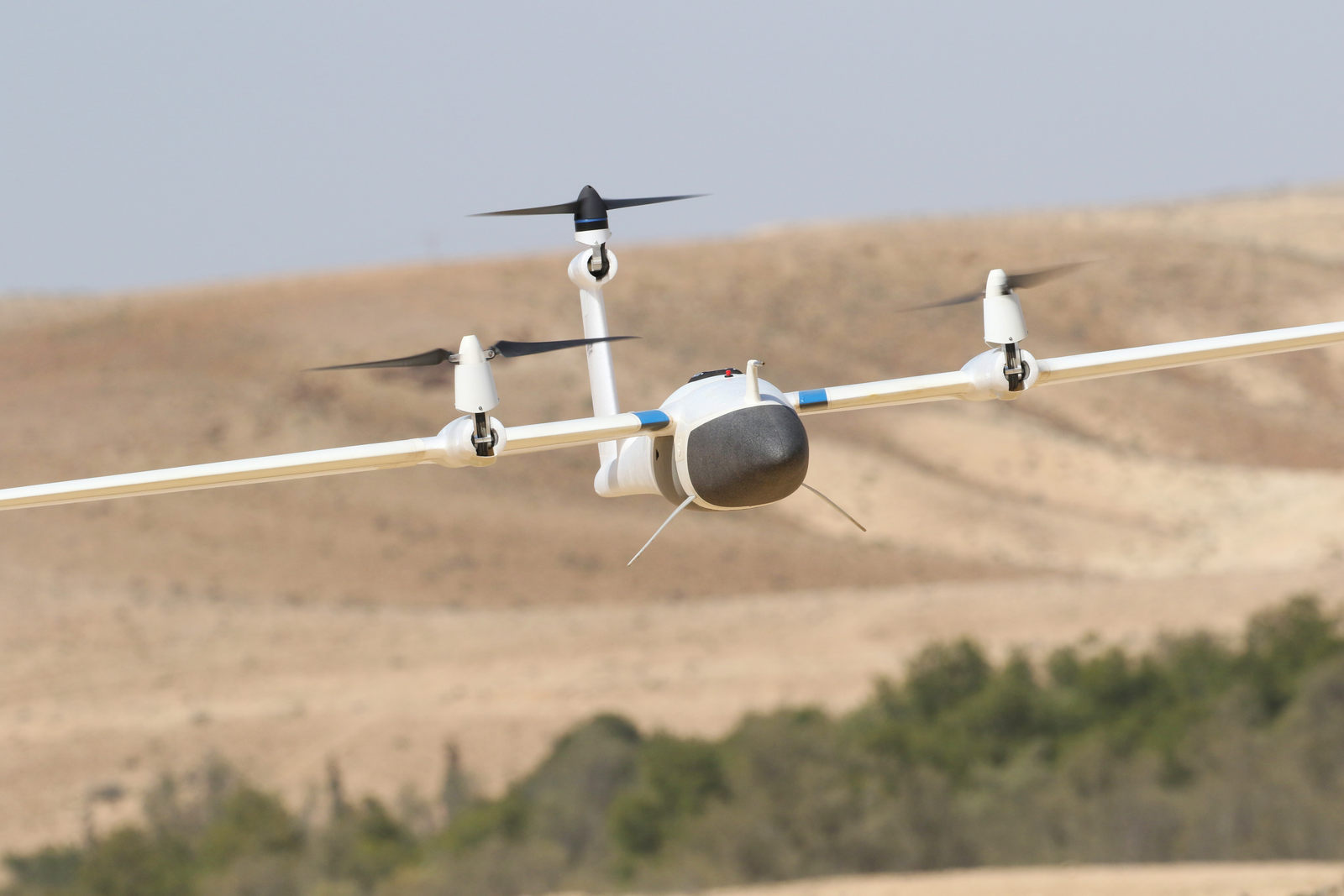
Archer’s Midnight aircraft is engineered to carry four passengers plus luggage, along with a pilot, for distances up to 100 miles. It is optimized for 20-mile urban trips, with a rapid 12-minute charging cycle that coincides with passenger boarding and cargo loading. Six independent battery packs power the aircraft, enabling cruise speeds up to 150 mph. The company has positioned its pricing to be competitive with ground-based rideshare services, aiming to make aerial commuting accessible to a broader range of travelers.
Leskinen noted, “Once operational, we’re excited to offer our customers a more sustainable, convenient and cost-effective mode of transportation during their commutes to the airport.” The operational plan includes working with ComEd to install and maintain the necessary charging infrastructure throughout the Chicago area, ensuring reliable turnaround times and supporting future expansion.
The Vertiport Chicago facility, located near the city’s downtown, offers a strategic hub for integrating eVTOL services into existing transportation networks. Its size and capabilities make it suitable for scaling operations as demand grows. By leveraging O’Hare’s role as a major international gateway, the service could streamline transfers between long-haul flights and local destinations.
From an engineering perspective, the Midnight’s design reflects key trends in eVTOL development: distributed electric propulsion for redundancy and efficiency, rapid charging systems to support high utilization rates, and aerodynamic optimization for short-range, high-frequency missions. The aircraft’s battery configuration allows for modular maintenance and potential future upgrades as energy storage technology advances.
United’s dual-track approach—investing in both regional electric aircraft and urban air taxis—underscores a strategic recognition that decarbonization will require solutions tailored to different segments of air travel. Regional routes demand larger capacity and longer range, while urban mobility benefits from compact designs, quick turnaround, and integration with metropolitan infrastructure.
The collaboration also signals a shift in how airlines view their role in emerging transportation ecosystems. By partnering directly with eVTOL manufacturers and utility providers, United is positioning itself not only as an operator but as a stakeholder in the infrastructure and regulatory frameworks that will shape the industry’s future. This approach could accelerate certification processes and public acceptance, as passengers experience electric flight in familiar contexts such as airport transfers.
The project in Chicago serves as a high-visibility test case for electric air taxi viability in dense urban environments. Success here could pave the way for similar deployments in other cities, leveraging existing vertiports or repurposing underused urban spaces for vertical aviation operations.