


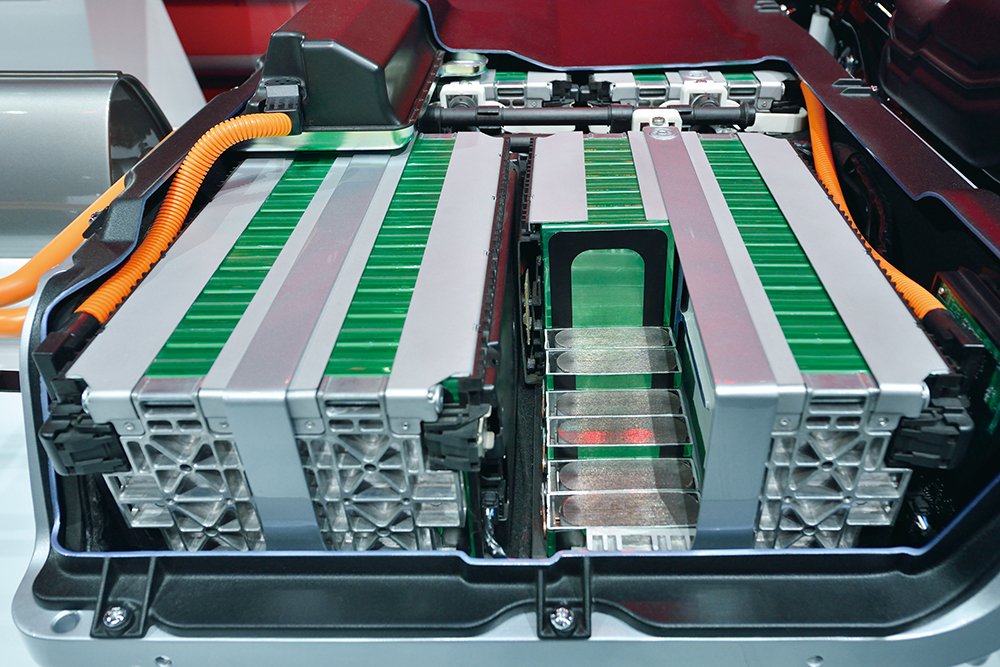
Inside the Circular Economy of EV Batteries
The environmental case for a circular economy in electric vehicle (EV) batteries is well established—recycling and reuse reduce resource demand and cut carbon emissions. Yet the business case is complex. Analysis by Boston Consulting Group indicates that large-scale recycling offers attractive economics, while “second life” applications—repurposing batteries for stationary or mobile uses—face steeper hurdles. In the near term, direct-to-recycling is expected to dominate, even as opportunities exist for OEMs and equipment providers to integrate both approaches into broader strategies.
Sustainability pressures from customers, regulators, and investors are reshaping automotive priorities. Automakers are improving fuel economy, increasing recycled content, and sourcing materials sustainably. EVs are central to these efforts, but their environmental success depends on manufacturing carbon intensity, the cleanliness of charging electricity, and the fate of the battery after its first life. Telematics data from Geotab shows current lithium-ion EV batteries average about ten years of useful life, with newer designs potentially exceeding 20 years or 300,000 miles before capacity drops below 80%.
Globally, over 32 million EVs are in use, with about 1 million passenger vehicle batteries now reaching end-of-life—representing roughly 4 GWh of remaining capacity. By 2030, more than 300 million passenger EVs are expected on the road, with nearly 4 million retired annually, totaling close to 100 GWh of original capacity. Battery electric vehicles (BEVs) will account for over 70% of retired capacity due to their higher kWh per vehicle, with China contributing half of the total, and the EU and US each about 20%.
End-of-life batteries have three destinations: recycling, second-life use, or disposal. Recycling recovers valuable metals—cobalt, nickel, manganese, lithium—for reuse in new batteries. Second-life applications repurpose cells without dismantling, often for stationary energy storage. Disposal is increasingly restricted by regulation.
Recycling fundamentals are strong, especially for nickel-cobalt-manganese (NCM) and nickel-cobalt-aluminum (NCA) chemistries, which can yield over $25 per kWh in recovered materials. Lithium-iron-phosphate (LFP) batteries have lower value, about half that of NCM. Recovery rates depend on technology, with targets above 95% for valuable metals but actual rates sometimes below 50%. Acquisition costs vary widely—high in China due to mature markets, near zero in the US and Europe due to low-scale operations.
China’s recycling sector features large players like GEM, Huayou Cobalt, and Ganfeng Lithium, alongside integrated OEMs such as BYD. Outside China, companies like VW, Umicore, and SungEel are building capacity, while startups such as Li-Cycle and Redwood Materials explore new recovery methods. Governments see recycling as part of competitive battery ecosystems, supporting jobs and reducing import reliance.
Success in recycling hinges on producing in-demand precursor materials, minimizing per-unit costs through scale and technology, moving upstream into logistics, and experimenting with flexible business models like fee-for-service contracts. Regional hub-and-spoke logistics can reduce transport costs, with competitiveness strongest within about 300 miles of acquisition points.
Second-life applications aim to capture remaining capacity—often substantial—once a battery is retired from vehicle use. Uses range from spare EV batteries to stationary energy storage (SES) and mobile systems like forklifts. SES demand could reach 120 GWh annually by 2030. Benefits accrue to OEMs, equipment providers, and end customers, from delaying extended producer responsibility costs to offering lower-priced clean energy solutions.
Yet economics are challenging. Repurposing requires labor-intensive disassembly, grading, and reassembly, complicated by nonstandard designs and limited usage data. Pricing pressure is intense, with second-life solutions typically fetching no more than 60% of new equivalents, and liability questions persist. Competition comes from new batteries, recycling, and emerging vehicle-to-grid capabilities.
Strategic levers for second-life success include standardized modular solutions, broader hardware and service offerings, and value-based pricing models such as rentals or battery-as-a-service. Local-for-local adaptation can cut transport costs, and partnerships between OEMs and SES providers are expected to dominate near term.
Looking ahead, advances in battery longevity and shifts to cheaper chemistries like sulfur could tilt value toward second-life applications, reducing recycling volumes and margins. Stakeholders can prepare by designing batteries for circularity, enabling open access to historical performance data, and clarifying producer responsibilities. The 2020s will bring innovation in design, recycling, and reuse, with the higher volumes of the 2030s promising sustainable profits and reshaped supply chains.