

NASA’s Moon Base Shift Puts Artemis on a Higher-Stakes Path
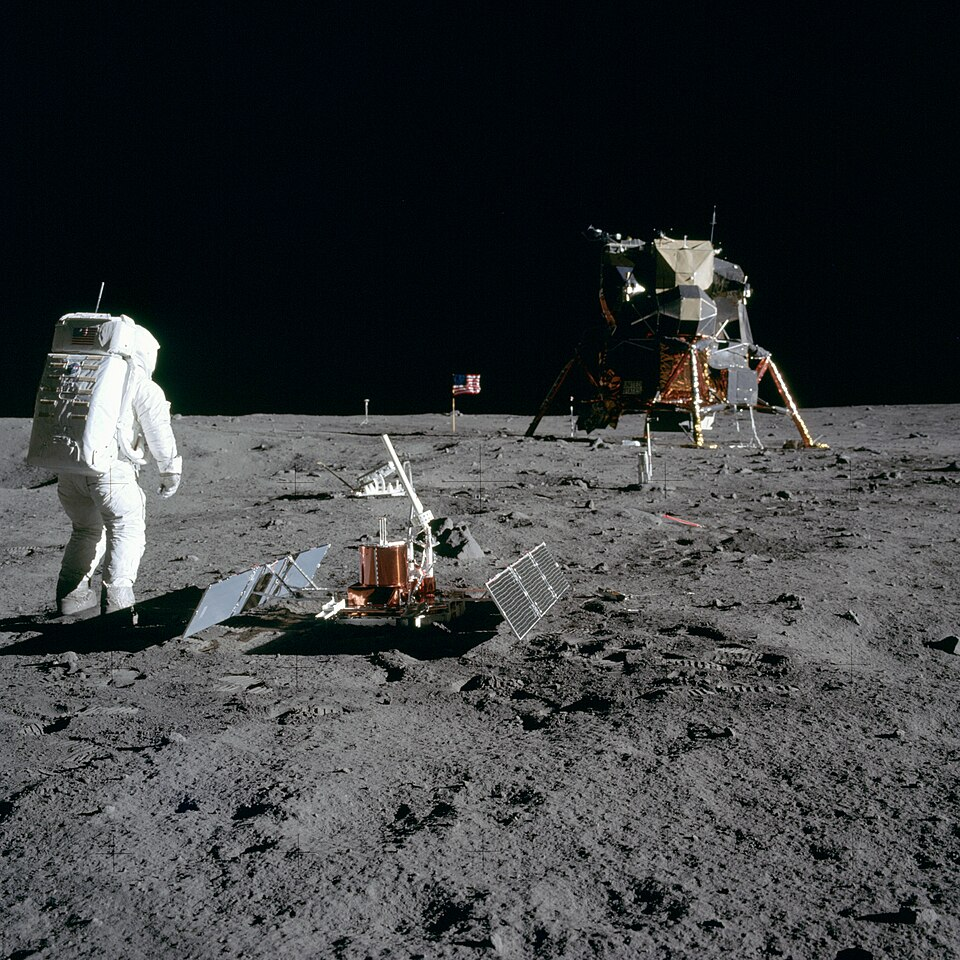
NASA’s latest redesign of its plans for going back to the moon makes one thing clear: NASA is no longer thinking of the moon as a place to visit, but as infrastructure to build. Why it matters: NASA’s new Artemis program shifts the focus and funding of the space station in lunar orbit and now aims for a space station on the surface of the moon in the south pole region. They have spoken of a multi-step program where there will be a robotic step, then several ‘semi-habitable’ surface locations, and then a location for humans. They have spoken of a seven-year program where it will cost $20 billion and will include much of the hardware being built by international and commercial interests via a series of missions rather than one mission that defines what this is all about.
Why it’s hard: It’s not just a question of how to land once. It’s a question of how to live on the moon and how to live in one of the most inhospitable environments in our solar system. Why it matters: This is why power has taken center stage in this new moon base program. While it is true that the sun does shine in the south pole region of the moon, it only does so in an intermittent fashion. The long periods of darkness and cold are still very much in effect for a moon base. This is why the agency has spent years working on a 40 kilowatt class fission reactor and is working with the Department of Energy to have a reactor up and running on the moon by 2030. A constant supply of power will be more than just a means of keeping the lights on in a habitat. It will be a means of keeping the lights on and not having to worry about the position of the sun.
NASA’s previous concepts for Base Camp, which is part of their Artemis concept, has already given us a glimpse of what this future is going to look like. NASA has already envisioned what this future is going to look like. They have envisioned a permanent base, an unpressurized lunar terrain vehicle, and a pressurized lunar terrain vehicle. When it comes to the south pole, it is not going to be the view that is going to draw people to this place. It is going to be the promise of accessibility. NASA has envisioned this place as a strategic place for them to be, given the promise of accessibility to ice and other mineral resources. If they can be located, exploited, and used, then this moon is no longer dependent on outside resources brought to it from the Earth.
When it comes to living quarters, they do not necessarily have to be envisioned within a rigid metal box type of concept that fits in with a much more rigid concept of space travel that is characteristic of much older eras. NASA has already envisioned the concept for an expandable space station in orbit. Industry is now advocating something much larger for lunar habitats. The people in the field who are working on this concept of habitat technology are counting on the fact that it is going to be a necessity in a future where the Artemis program is not just a series of missions to the surface of the moon. Although it would not necessarily solve all of the problems that are being created by this, it would certainly provide all of them with options.
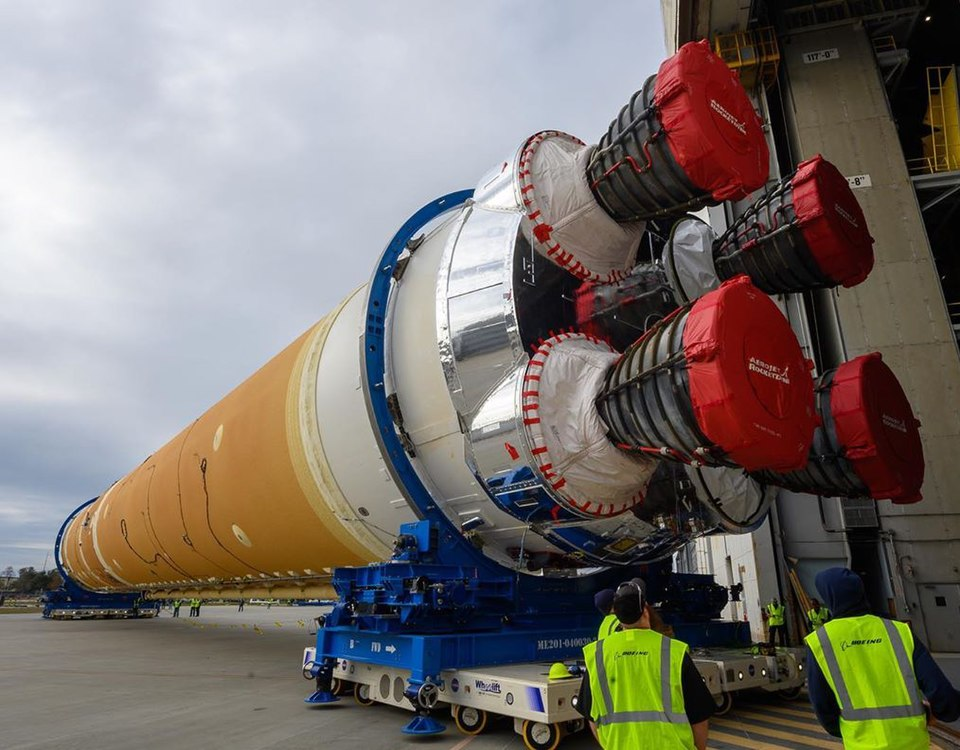
Of course, this assumes that the Artemis II mission goes well. The reason for this is that the Artemis II mission is going to be a mission where four astronauts are going to be going on a trip around the moon. This trip is going to take about 10 days. This is not a mission that is going to be used for a base on the moon. It is going to be a crewed mission where they are going to be testing the Space Launch System, the Orion, and the crew in readiness for a permanent presence on the moon. NASA has already determined that this mission is necessary for a permanent return. It is not going to be one of those missions where they say, “Hey, let’s circle the moon.”
The overall impact of this redesign is that it is no longer about going to the moon once. As we plan for the future, the language of our own planning documents suggests a future where we’ll be going to the moon not just once, but many times, where we’ll be delivering cargo to the moon many times, where we’ll be sending robots to the moon many times, where we’ll be sending humans to the moon many times so that the moon becomes a working frontier.