

Space Tourism Faces Technical and Operational Hurdles
Blue Origin’s April 14 launch of an all-women crew aboard its New Shepard vehicle drew global attention, not only for its celebrity passengers—among them singer Katy Perry, TV host Gayle King, and aerospace scientists—but also for its symbolic representation of inclusivity in commercial spaceflight. The event triggered a surge in public interest, with Google searches related to space tourism spiking and queries about space tourism companies increasing by 130% in the days following the mission.

Despite the excitement, industry observers note that space tourism remains in a nascent stage. The technology enabling suborbital and orbital flights is operational, yet the sector’s growth is constrained by cost, frequency, and infrastructure limitations. Craig Curran, president of DePrez Group of Travel Companies and an accredited space agent for Virgin Galactic, emphasized the need for consistent operations. “We need to see it operational,” Curran said. “There’s virtually no product. … People have been waiting and saying ‘show me.’” His perspective reflects a broader sentiment among travel specialists: demand will accelerate only when departures become routine and accessible.
Curran has firsthand experience with preparatory spaceflight activities, having chartered a zero gravity flight in Rochester, N.Y., where passengers experience weightlessness similar to that in orbit. Such flights, conducted aboard specially modified aircraft flying parabolic arcs, serve as both training and promotional tools for future space tourists.
Currently, only three companies offer operational crewed missions: Blue Origin, SpaceX, and Virgin Galactic. Each employs distinct architectures and mission profiles. Blue Origin’s New Shepard system, a vertical-takeoff, vertical-landing suborbital rocket, has completed 11 crewed flights since 2021. While the company does not publicly disclose ticket prices, it requires a $150,000 deposit; the first seat auctioned in 2021 sold for $28 million. The vehicle’s propulsion system, BE-3, uses liquid hydrogen and liquid oxygen, producing a thrust profile optimized for short-duration suborbital trajectories.
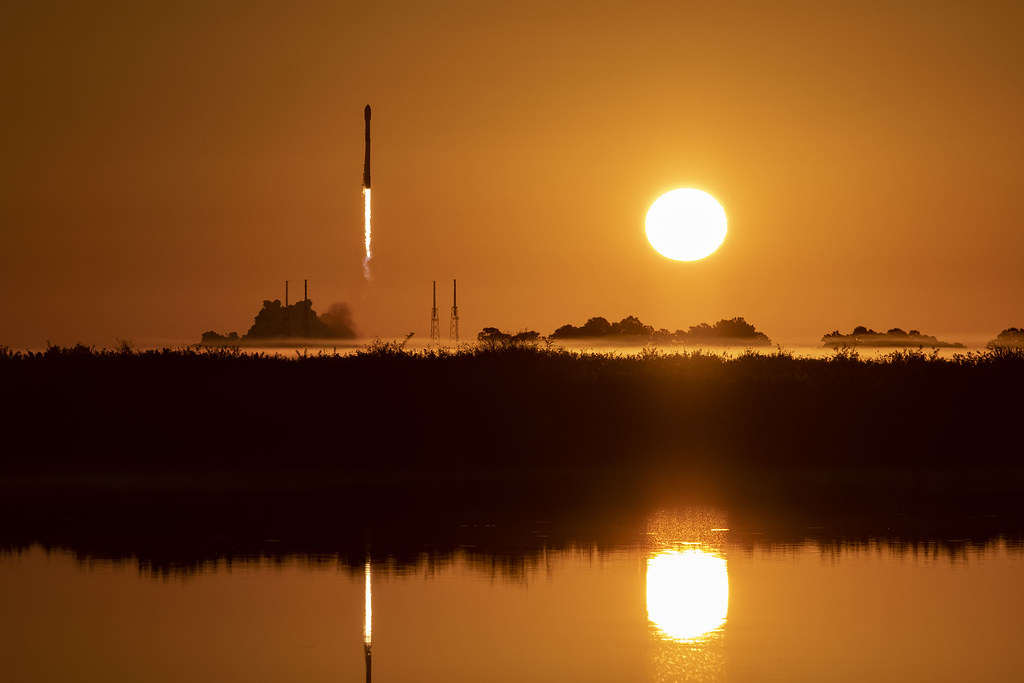
SpaceX, led by Elon Musk, operates orbital-class missions using its Falcon 9 launch vehicle and Crew Dragon spacecraft. Since 2020, it has flown 16 crewed orbital flights, including private missions to low Earth orbit. Passengers have reported paying $55 million per seat, reflecting the complexity and duration of orbital missions compared to suborbital excursions. Crew Dragon’s design incorporates autonomous docking capability, integrated launch escape systems, and environmental controls suitable for multi-day flights.
Virgin Galactic employs a hybrid approach, using a carrier aircraft, VMS Eve, to air-launch its SpaceShipTwo vehicle. This rocket-powered spaceplane ascends to the edge of space before gliding back to Earth. The company’s focus on air-launch methodology reduces the infrastructure footprint compared to vertical-launch systems but limits payload capacity and altitude.
Jimmy Carroll, co-founder of luxury tour operator Pelorus, anticipates significant expansion by 2030, particularly with the advent of commercial space stations designed to host overnight guests. Such facilities would require robust life support systems, radiation shielding, and modular interiors tailored for non-professional astronauts. The engineering challenges extend beyond launch vehicles, encompassing orbital construction, resupply logistics, and safety protocols for extended stays.
Operational cadence remains a critical bottleneck. Launch windows, vehicle turnaround times, and regulatory approvals collectively constrain frequency. Each mission demands extensive pre-flight checks, crew training, and weather assessments. For reusable systems like New Shepard and Falcon 9, refurbishment cycles must balance rapid reusability with stringent safety standards.
Cost structures reflect both hardware amortization and operational overhead. Rocket engines, thermal protection systems, and avionics require meticulous inspection between flights. Insurance premiums for crewed missions are substantial, given the inherent risks of spaceflight. These factors contribute to the current exclusivity of space tourism, limiting participation to high-net-worth individuals.
Advances in propulsion efficiency, materials engineering, and automated systems could lower costs and increase reliability. Developments in composite structures, additive manufacturing for rocket components, and AI-assisted mission planning are already influencing the sector. However, scaling these technologies to support frequent, affordable departures remains a formidable engineering and economic challenge.