



MBA Teams Tackle Robotics, AI, and Ethical Supply Chains
The First-Year Project (FYP) program offers MBA students a concentrated opportunity to engage with real-world challenges across industries, often blending technical problem-solving with strategic business thinking. In 2024, 59 teams participated, with projects ranging from nonprofit strategy to advanced robotics market research. Executive Director Becky Rice-Mesec noted, “There are no limits to the types of businesses students choose to work with or to the problems FYP teams are working to solve.”
One team partnered with the Grace Farms Foundation to advance Design for Freedom, a movement aimed at eliminating forced labor in building materials supply chains. Karen Kariuki T’08, Managing Director of Strategic Initiatives and Investor Engagement, emphasized the interdisciplinary strength of the student team, stating, “Tuck students have incredible resources at their disposal. They bring valuable expertise and perspective, and they understand how to use an interdisciplinary approach to address complex challenges.” The group analyzed growth opportunities for Grace Farms Tea & Coffee, a fair-trade certified product line whose profits support the movement. Market research revealed rising demand for ready-to-drink beverages, a trend the team suggested could align with the foundation’s corporate sponsorship model.
Another project focused on Yogger, a movement analysis startup co-founded by Adrian Heneveld T’24. Yogger’s mobile app uses real-time tracking and data metrics to measure physical performance without expensive sensors. Initially, an FYP team helped define the product roadmap and identify its primary market as sports rather than digital health. The following year, Heneveld returned as a client, engaging a new team to refine pricing strategies and develop a go-to-market plan for B2B sales. Christina Helm T’25, working on the GTM stream, quickly mastered Hubspot to build call sequences, email campaigns, and reporting dashboards. “It was motivating to know we were building systems that would be implemented right away,” she said. The systems were deployed to summer interns, accelerating Yogger’s outreach and growth trajectory.
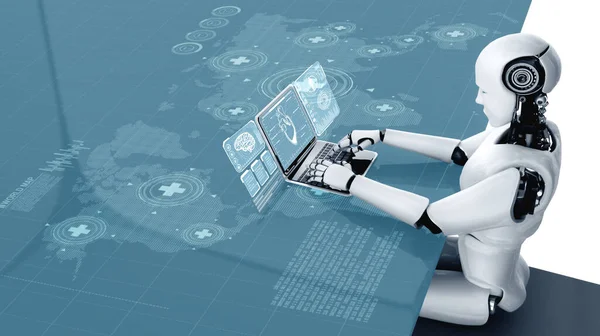
A third team explored the emerging market for AI-powered humanoid robots with Engineered Arts, a UK-based manufacturer known for its advanced androids designed for human interaction. Willian de Andrade Bezerra T’25 initiated the collaboration after connecting with CEO Will Jackson and AI Persona Architect Naomi Hart. Hart highlighted the novelty of the work: “There’s no historical data about commercial sales of AI-powered humanoid robots. It is both very novel and highly relevant because we’re just now exploring the possibilities for a product that will be a huge part of our lives and be commercialized and distributed in unexpected ways.”
With minimal existing market data, the team constructed its own survey, leveraging Bezerra’s robotics network to reach potential customers. The findings informed recommendations on design, mobility, and cognitive capabilities to better match user needs across price segments. Hart integrated these insights into product analysis and pricing discussions, remarking, “If we had hired an outside consultant or a fractional CMO, I don’t think we would have gotten as much value as we did from the FYP team.” Presentation day brought an unexpected interaction: the team met Ameca, Engineered Arts’ flagship humanoid, via live video, experiencing firsthand the product they had studied.
Bezerra advised future teams to select projects aligned with their interests and to define a narrow scope for the nine-week timeframe. Hart reinforced the importance of focus, stating, “I would rather have one question answered really, really well, and thoughtfully, than 10 questions answered in passing.”
Across these projects, the blend of technical investigation, market analysis, and ethical considerations demonstrates how interdisciplinary teams can contribute to fields as diverse as robotics, digital health, and sustainable supply chains. For engineers and technologists, the work offers a glimpse into how emerging technologies and business strategy intersect—whether optimizing AI-driven humanoid platforms, scaling sensorless motion tracking, or applying data-driven marketing to ethically sourced consumer goods.