


UK Automotive Output Falls Amid EV Transition Challenges
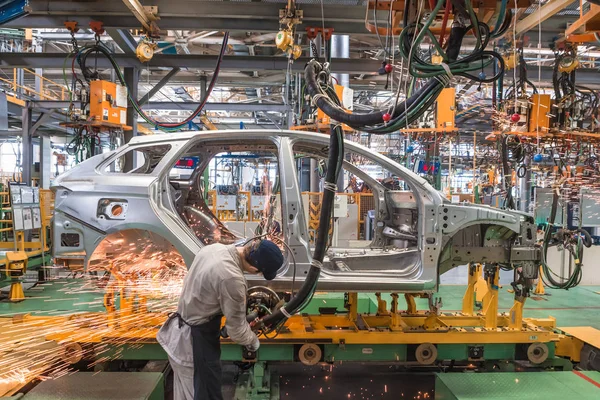
UK car production registered a sharp decline in July 2024, with output down 14.4% compared to the same month last year, according to data from the Society of Motor Manufacturers and Traders (SMMT). Total production reached 65,478 vehicles, a drop driven primarily by model changeovers and temporary supply chain constraints. The slowdown underscores the complexity of transitioning manufacturing lines to accommodate new electric and electrified models while maintaining existing product schedules.
Domestic production fell by 5.1%, equating to 672 fewer vehicles than in July 2023. Export volumes, which represent 80.9% of total output, saw a steeper 16.3% decline. The European Union remained the largest overseas market, absorbing 51.3% of exports, followed by the United States at 17.6%, China at 8.6%, Turkey at 5.5%, and Japan at 3.1%. This export mix reflects the UK’s continued reliance on established trade relationships, even as global market dynamics shift under the influence of electrification and regulatory changes.
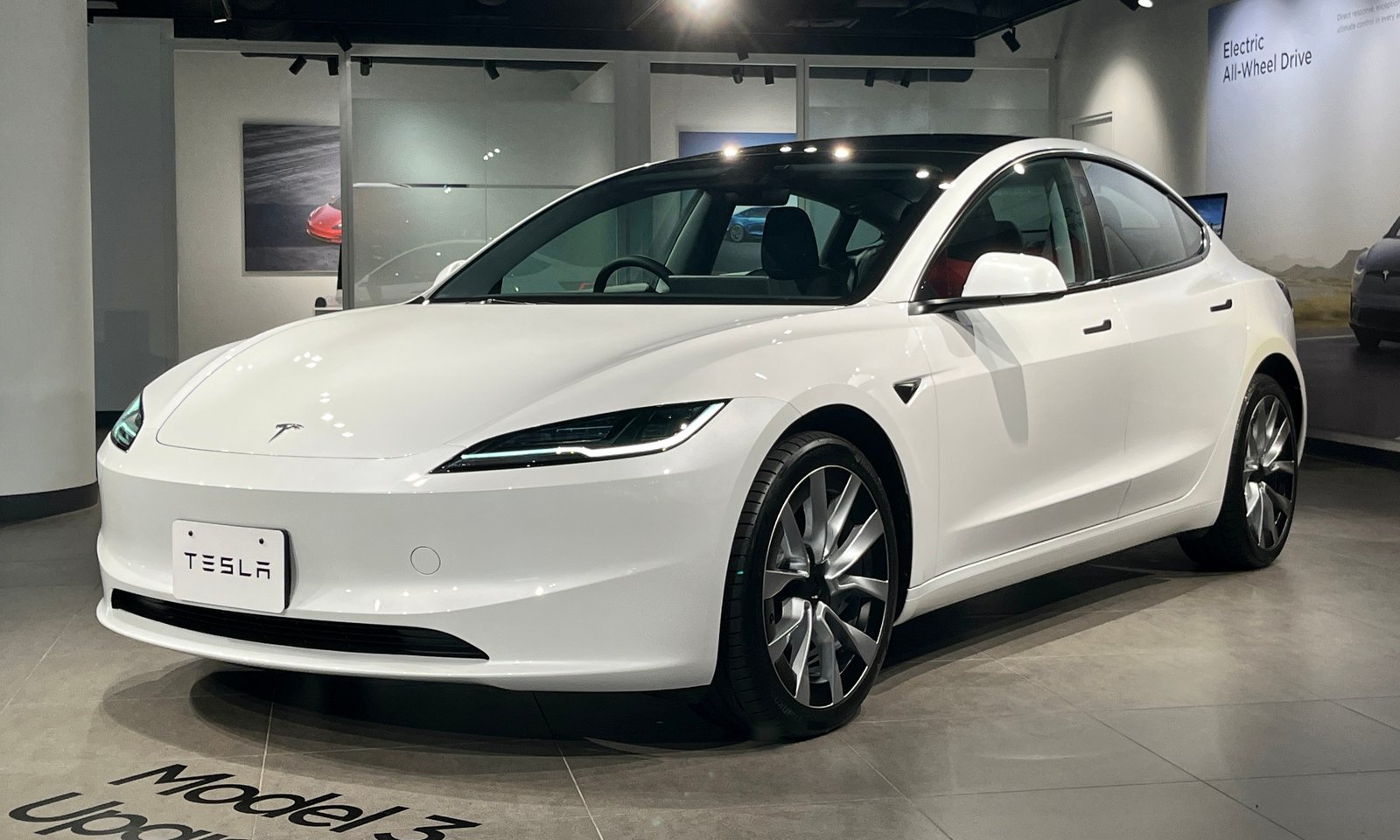
Electrified vehicles—including battery electric, plug-in hybrid, and hybrid models—accounted for 37.5% of total production in July. This was only marginally lower than the 39.5% share recorded a year earlier, indicating that despite overall volume declines, the strategic focus on electrified drivetrains remains strong. The sustained share highlights the sector’s commitment to meeting zero-emission targets and consumer demand for low-carbon mobility solutions.
The value of UK automotive manufacturing held steady at over £20 billion for the first seven months of 2024, despite an 18.6% drop in production volume over the same period. This resilience points to the high unit value of vehicles being produced, particularly in segments where electrified models command premium pricing due to advanced technology content and regulatory compliance features.
SMMT Chief Executive Mike Hawes noted: “Following significant growth last year, some readjustment in output was to be expected. Indeed, an ongoing degree of volatility is likely as the industry restructures to transition to zero emission vehicle production. As the billions already committed to new models start to deliver a return, volume growth will resume, providing we seize every opportunity to enhance our global competitiveness. We need investment in skills, healthy markets, cheaper green energy, and fair trade deals that help British-built vehicles reach international customers more easily, all of which should be wrapped in an over-arching industrial strategy that ensures automotive continues to be a key driver of economic growth.”
Globally, the automotive sector is experiencing uneven progress in the shift to electrification. Some regions have accelerated EV production, while others face delays due to supply chain bottlenecks and the technical challenges of reconfiguring existing plants. Battery manufacturing capacity, particularly in Europe, is under pressure to scale rapidly, a task complicated by tariffs on Chinese EV imports and the need to comply with stringent local regulations. These factors heighten the importance of developing robust domestic supply chains for key components, including battery cells and power electronics.
For UK manufacturers, the current environment demands agile operational strategies. OEMs and tier suppliers must navigate the dual pressures of introducing new electrified models and maintaining profitability in legacy segments. Securing reliable sources of raw materials, investing in workforce retraining for advanced manufacturing techniques, and upgrading production lines to handle high-voltage architectures are becoming critical competitive differentiators.
The transition also calls for coordinated policy support. Access to affordable renewable energy is essential for reducing production emissions, while trade agreements that lower barriers for exports can help sustain market share abroad. The ability to integrate these elements into a coherent industrial strategy will influence the pace at which UK automotive production can rebound from current lows.
As electrification reshapes the industry’s technical and economic foundations, those companies able to innovate in design, manufacturing, and supply chain management will be best positioned to benefit from the next phase of market growth.