

Hydrogen Fuel-Cell Cars Struggle Despite Toyota, Hyundai Push
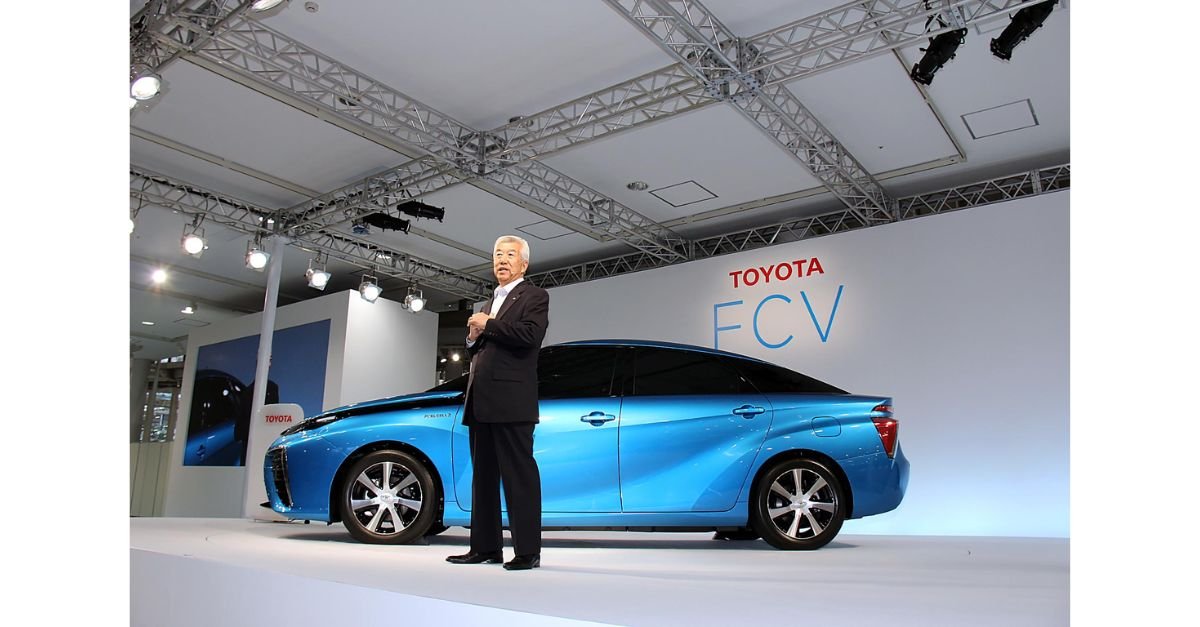
Hydrogen fuel-cell vehicles have long been promoted by Toyota and Hyundai as a pathway toward net-zero emissions, offering the promise of rapid refueling and extended driving range. Yet the market’s response remains tepid. According to BloombergNEF data, passenger FCVs represented just 0.02% of global sales last year—a figure so small that analysts caution against making meaningful long-term forecasts until the share reaches at least 0.1%, roughly 80,000 units annually.

The technological appeal of hydrogen lies in its high energy density and the ability to refuel in minutes rather than hours, a clear advantage over many battery electric vehicles in terms of convenience. For engineers, the electrochemical process inside a fuel cell—combining hydrogen with oxygen to produce electricity and water—offers an elegant, emissions-free power source at the point of use. However, the absence of a robust refueling infrastructure and the limited number of production models have created a bottleneck for adoption.
BloombergNEF’s report underscored the challenge: “We are not able to make a long-term outlook for passenger FCVs while sales are so low, show limited momentum, and are highly concentrated in a few markets and models.” The data reveal that the Toyota Mirai and Hyundai Nexo dominate the segment, accounting for the majority of the 15,391 passenger FCVs sold globally in 2022. Sales declined from the prior year, with Japan seeing a sharp drop from 2,440 units in 2021 to just 844 last year. South Korea, buoyed by substantial government subsidies for both vehicle purchases and hydrogen fuel, remained the largest market.
From an engineering perspective, the infrastructure hurdle is significant. Hydrogen must be produced, stored, and transported under high pressure or at cryogenic temperatures, demanding specialized materials and safety systems. The supply chain is still nascent, and most hydrogen today is produced from natural gas via steam methane reforming, a process that emits carbon dioxide unless paired with carbon capture. Scaling up green hydrogen—produced via electrolysis using renewable energy—remains costly and energy-intensive.
Toyota and Hyundai’s commitment to hydrogen extends beyond passenger cars. Both companies have invested in commercial applications, including buses and heavy-duty trucks, where the quick refueling advantage is more pronounced. In motorsport, Toyota has sought to showcase hydrogen’s potential in extreme conditions. During a race in Shizuoka Prefecture, Chairman Akio Toyoda personally drove the world’s first liquid-hydrogen race car, aiming to demonstrate the fuel’s viability in high-performance environments.
For automotive engineers and enthusiasts, the FCV market’s sluggish growth highlights the interplay between technology readiness and ecosystem maturity. Battery electric vehicles have surged ahead, supported by rapidly expanding charging networks and falling battery costs. In contrast, hydrogen’s path requires simultaneous development of production capacity, distribution infrastructure, and consumer confidence.
The physics of hydrogen storage add complexity. Gaseous hydrogen at 700 bar demands tanks made from advanced composites, while liquid hydrogen requires cryogenic systems capable of maintaining temperatures near -253°C. Each approach has trade-offs in terms of energy efficiency, cost, and vehicle design. These engineering challenges, coupled with infrastructure scarcity, have kept FCVs from achieving the economies of scale necessary for competitive pricing.
Policy support remains a critical factor. South Korea’s subsidies have clearly influenced adoption rates, while Japan’s declining sales suggest that incentives alone may not sustain momentum without broader infrastructure investment. In regions lacking refueling stations, potential buyers face prohibitive inconvenience.
Despite these obstacles, Toyota and Hyundai continue to view hydrogen as a strategic pillar in the transition away from fossil fuels. Their persistence reflects a belief that fuel cells could play a complementary role alongside battery electrics, particularly in segments where energy density and refueling speed are paramount. Whether passenger FCVs can overcome current market inertia will depend on coordinated advances in technology, infrastructure, and policy.