

Navigating Risks in 3D-Printed Construction
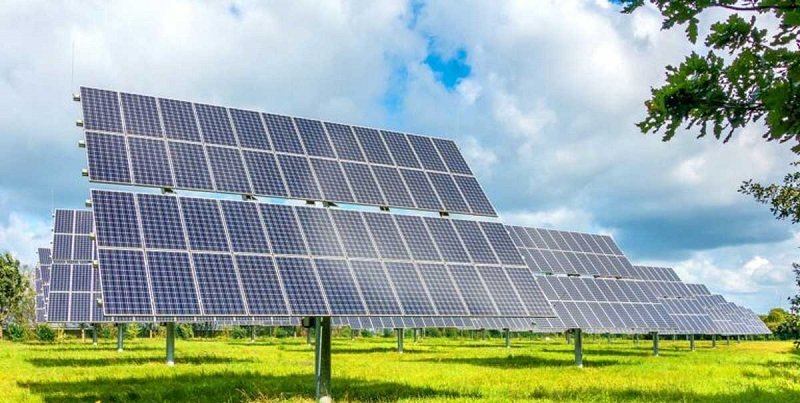
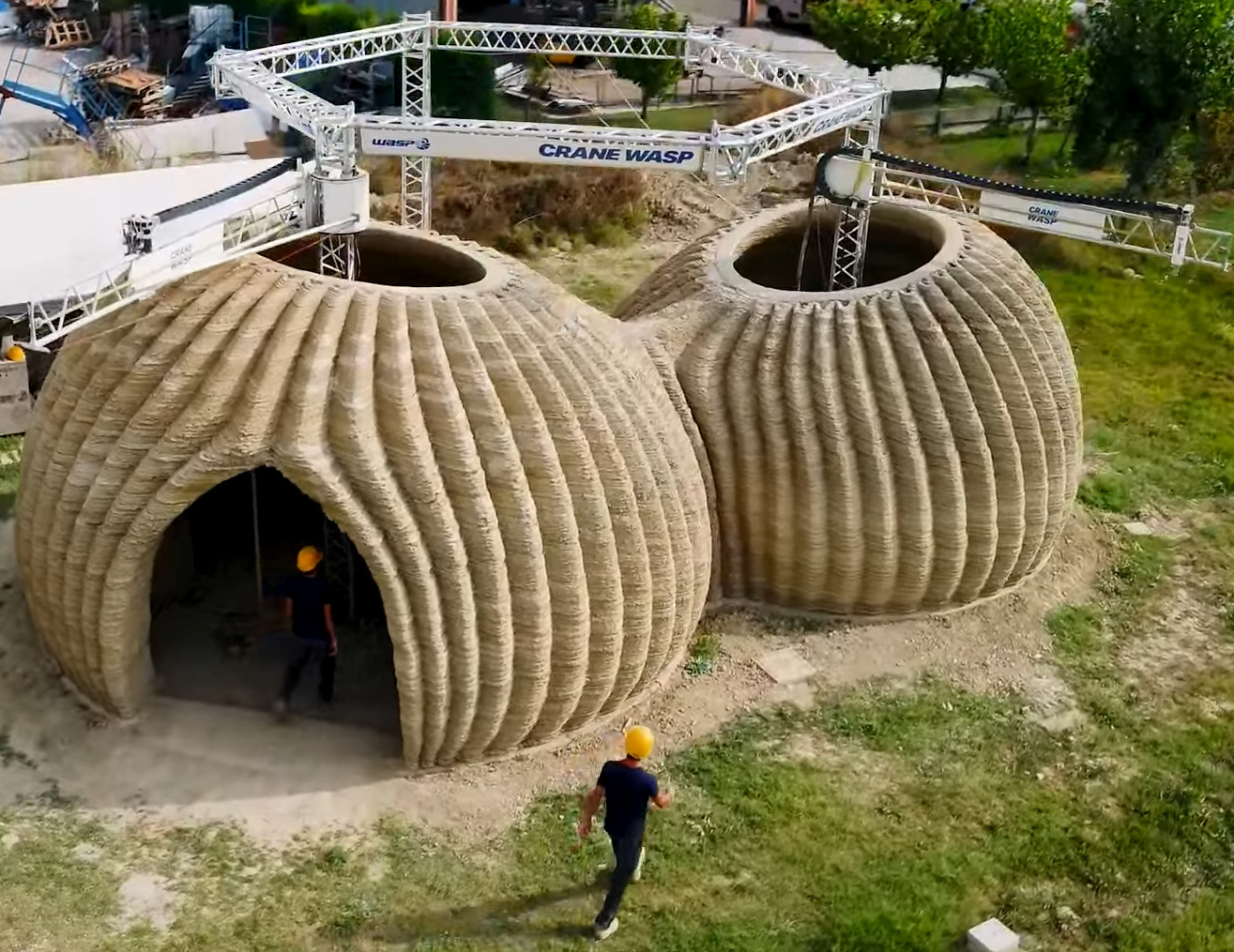
Across the globe, 3D-printed buildings are moving from experimental showcases to functional structures. In China, Europe, and the United States, projects range from compact single-family homes to multi-story villas, with some incorporating solar-powered systems for sustainability. The technology enables rapid construction, reduced labor requirements, and novel architectural forms, often with large-scale printers operating directly on site. In certain cases, a crew of just three workers can oversee the printing process, reducing jobsite hazards and potentially lowering workers’ compensation claims.

Speed is a defining advantage. Timelines that once stretched into months can now be measured in days, even hours, depending on the scope. The process also promises less waste, lower costs, and improved precision compared to traditional methods. Yet, despite these benefits, questions persist about the long-term durability of such structures. Exposure to extreme weather, daily environmental stresses, and unforeseen operational demands remain largely untested at scale.
These uncertainties formed the basis for a session at the CLM Construction Risk Conference in Austin, Texas, titled “A Brave New World: Liability and Risk in 3D-Printed Construction.” On September 28, four panelists—drawn from insurance, legal, and forensic disciplines—examined the evolving risk landscape. Their focus: how claims, coverage, and liability frameworks must adapt to a construction paradigm where robots, advanced materials, and automated processes play central roles.
Catherine Naltsas, Esq., shareholder at Lynberg & Watkins, outlined the insurance challenges in detail. “The insurance coverage portion [of the session] focuses on the novelty of this new type of construction and the availability or lack thereof of insurance coverage designed to address risks and risk transfer in 3D-printed construction,” she said. Traditional brokers and carriers, she noted, have few products tailored to exposures involving machines, vehicles, and robotic additive manufacturing systems defined by technical specifications.
Naltsas emphasized that judicial precedent is scarce. “Further, there is scant judicial guidance concerning whether 3D-printed construction is a product, work, etc., and whether existing coverages for bodily injury arising from ‘your product’ or ‘your work’ extend to 3D-printed construction-related liabilities. Existing insurance primarily focuses on human errors — negligence or intentional conduct.” Without established case law or historical data, pricing and underwriting such risks becomes a complex exercise.
Liability attribution is another unresolved issue. When a 3D-printed structure fails, is the defect a matter of construction error or product malfunction? Responsibility could lie with contractors, design teams, equipment manufacturers, or even software engineers whose code governs printer operations. “When dealing with 3D-printed construction and related liabilities, we have more questions than answers. Who is responsible if there are defects in 3D construction? Projects that leverage 3D printing typically entail partnerships between construction companies, technology firms, engineering firms, and manufacturers specializing in this type of production,” Naltsas observed.
Contractual provisions add further complexity. Indemnification clauses, coverage for rework costs, and post-termination claims handling all demand careful review. “What do the contracts say related to indemnification? Who is responsible for coverage of ‘rework’ costs? What happens if a claim is filed after the agreement/partnership is terminated? Are there gaps in coverage? Coverage counsel should evaluate the indemnity provisions in the various contracts for all general contractors, subs etc,” she advised.
At present, property coverage or builders risk policies can address damage to tangible assets during construction. However, Naltsas pointed out that “insurance will necessarily evolve to address 3D-printed risks during build and after completion.” As additive manufacturing in construction matures, policy language and legal interpretations will need to align with the technology’s capabilities and failure modes.
For engineers and technologists, the discussion underscores the interplay between innovation and regulation. The mechanical precision of large-format 3D printers, the material science behind printable concretes and polymers, and the integration of automation into construction workflows all introduce novel technical and legal considerations. The CLM session reflected an industry at the threshold of change—where speed, efficiency, and design freedom are balanced against emerging questions of accountability, coverage, and resilience.