

Hyundai Accelerates Autonomous Drive Amid Global Competition
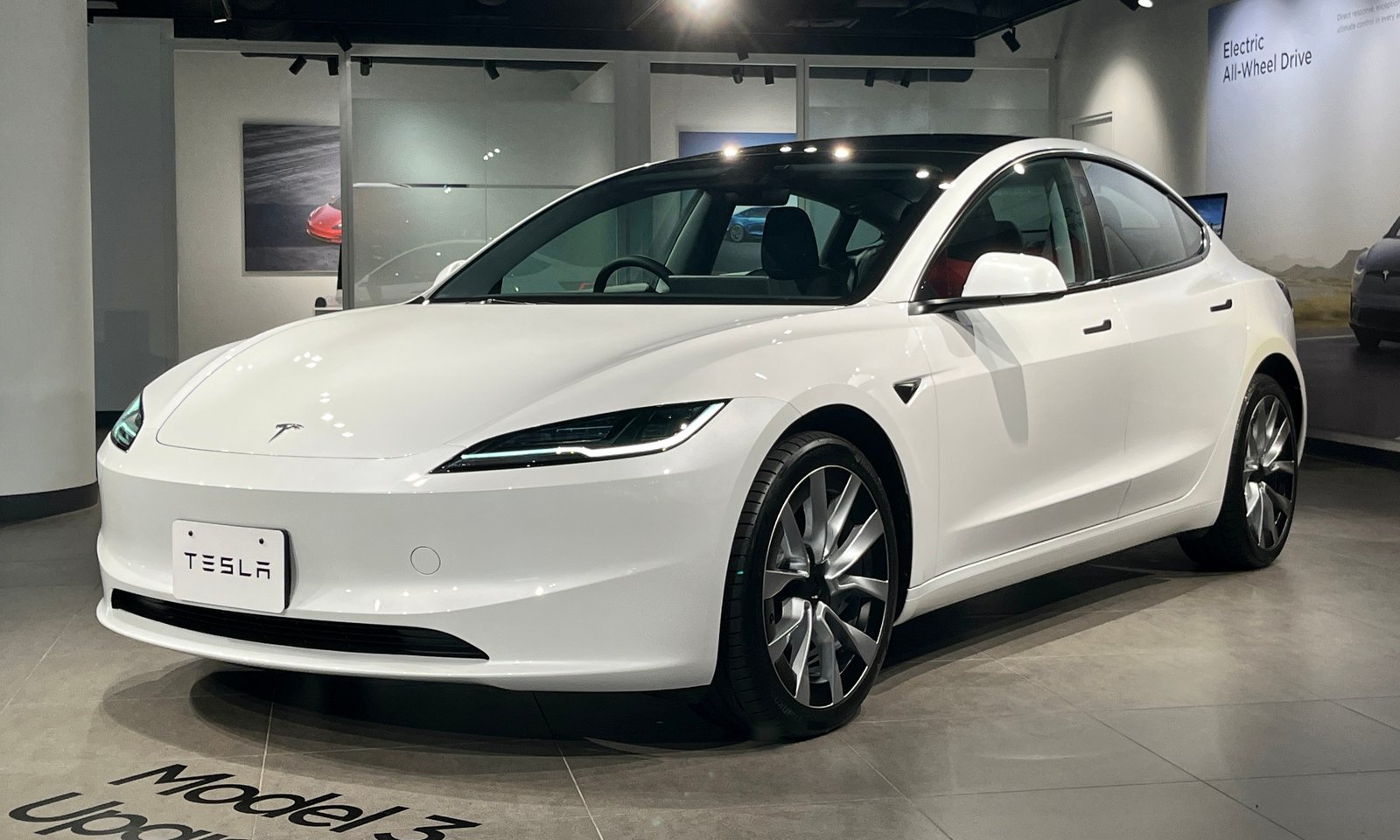
The autonomous vehicle sector is undergoing rapid transformation, with US and Chinese companies setting the pace in both technology and commercialization. Tesla, Waymo, and Zoox have established themselves as leaders, unveiling new products and expanding services. Tesla’s recent “We, Robot” event showcased the “Cybercab” robotaxi prototype and the Robovan concept bus, underscoring its commitment to advancing full self-driving capabilities worldwide. Waymo now operates 24-hour autonomous taxi services in Los Angeles and San Francisco, while Zoox has launched fully autonomous operations in Las Vegas. Uber’s planned collaboration with BYD to deploy over 100,000 autonomous taxis globally marks a significant market shift.
China’s presence in the sector has grown swiftly. Cities such as Beijing, Shenzhen, and Wuhan host fleets of self-driving vehicles from automakers like Geely Auto and Dongfeng, alongside tech giants Huawei, Xiaomi, and Baidu. Baidu’s “Apollo Go” ride-hailing service and Dongfeng’s “Sharing-VAN” autonomous bus illustrate the breadth of activity. Analysts note that China, despite entering the field later than the US, has matched or surpassed American capabilities through extensive data collection. Baidu, entering in 2013—five years after Waymo—reported 732,000 rides in Wuhan by 2023, slightly exceeding Waymo’s tally.
Hyundai Motor Group has sought to close the gap by forming Motional with Aptiv in 2019. Following Aptiv’s withdrawal from further investment, Hyundai acquired its stake, solidifying control over Motional. The company plans to invest over KRW7 trillion (approximately US$5.18 billion) in autonomous driving and mobility services by 2025. While smaller than the budgets of some competitors, Hyundai emphasizes efficient capital use and quality-focused development. After reaching Level 3 autonomy in 2022, Hyundai aims to commercialize Level 4 technology by 2025, supported by demonstration taxi services launched in Las Vegas in 2021 and Seoul in 2023.
Data from South Korea’s Presidential Advisory Council on Science & Technology in 2024 places US technology at a benchmark level of 100, with China at 86.3, Japan at 85.8, and South Korea at 84.2. China’s advantage stems from permissive testing environments and government-backed data collection. In June 2024, nine Chinese automakers, including BYD and Nio, received approval to test Level 3 vehicles in seven cities. Wuhan stands out with over 500 autonomous taxis in operation, 3,378 kilometers of suitable roads, and Baidu’s mapping platform covering 360 cities. Plans to deploy 1,000 autonomous taxis in Wuhan by 2024 highlight the scale of Chinese ambitions.
In contrast, South Korea’s regulatory environment constrains progress. Although 34 pilot zones have been designated, data collection remains limited. Autonomous A2G, the nation’s leading operator by distance, has logged about 400,000 kilometers, far short of China’s 70 million kilometers as of September 2023. Liability rules for accidents involving Level 3 and above vehicles are still undefined, creating uncertainty for commercialization. While US states like California and Nevada have established legal frameworks, South Korea aims to finalize procedures by the end of 2024.
Industry voices stress that the regulatory lag, rather than technological shortcomings, hinders South Korea’s advancement. Effective commercialization will require government action to ease restrictions, build infrastructure, and support R&D. AI development is central to this effort. The Institute of Information & Communications Technology Planning & Evaluation’s 2022 report measured South Korea’s AI capability at 88.9 percent of the US level, with a slight decline. The US and China continue to lead in AI investment, deepening the gap.
Hyundai is working with Samsung Electronics and LG Electronics to create a self-driving ecosystem, focusing on software-defined vehicles powered by AI. The South Korean government plans to invest KRW800 billion in national funding by 2027, plus KRW100 billion in private investment, targeting AI for autonomous driving and technologies such as 5G-V2X. An industry insider emphasized that “continuous policy support will be provided to enable AI to learn from high-quality data in various situations,” reflecting the need for sustained innovation and strategic partnerships to remain competitive in the evolving global market.