


2023’s Longest-Range EVs Ranked by Capability
For engineers, enthusiasts, and technology-minded readers, the driving range of an electric vehicle is more than a consumer convenience—it’s a benchmark of energy storage efficiency, aerodynamic optimization, and drivetrain integration. The 2023 lineup certified by the U.S. Environmental Protection Agency offers a broad spectrum of designs, from hyper-efficient sedans to heavy-duty electric trucks, each reflecting distinct engineering priorities.

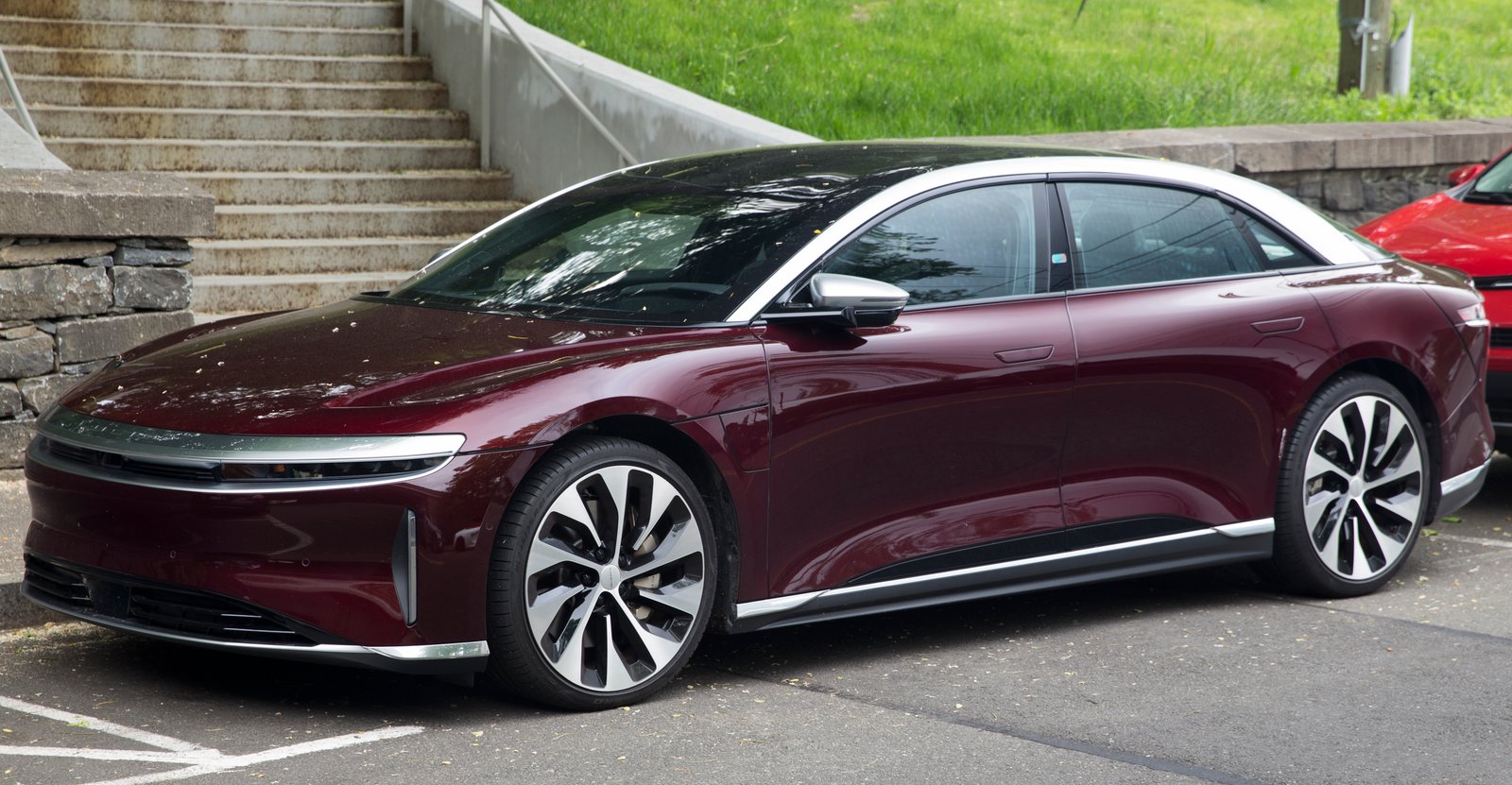
At the top of the range hierarchy sits the Lucid Air Grand Touring, delivering 516 miles per charge. Its achievement stems from a combination of high-capacity battery modules, meticulous aerodynamic shaping, and a proprietary motor design that minimizes energy losses. Even with the discontinuation of the 520-mile Dream Edition, Lucid maintains a clear lead over Tesla’s Model S Long Range, which offers 405 miles. The Model S, largely unchanged in form since 2012, continues to evolve through incremental hardware and software refinements, with the Plaid variant trading some range for extreme acceleration and a 200 mph top speed.
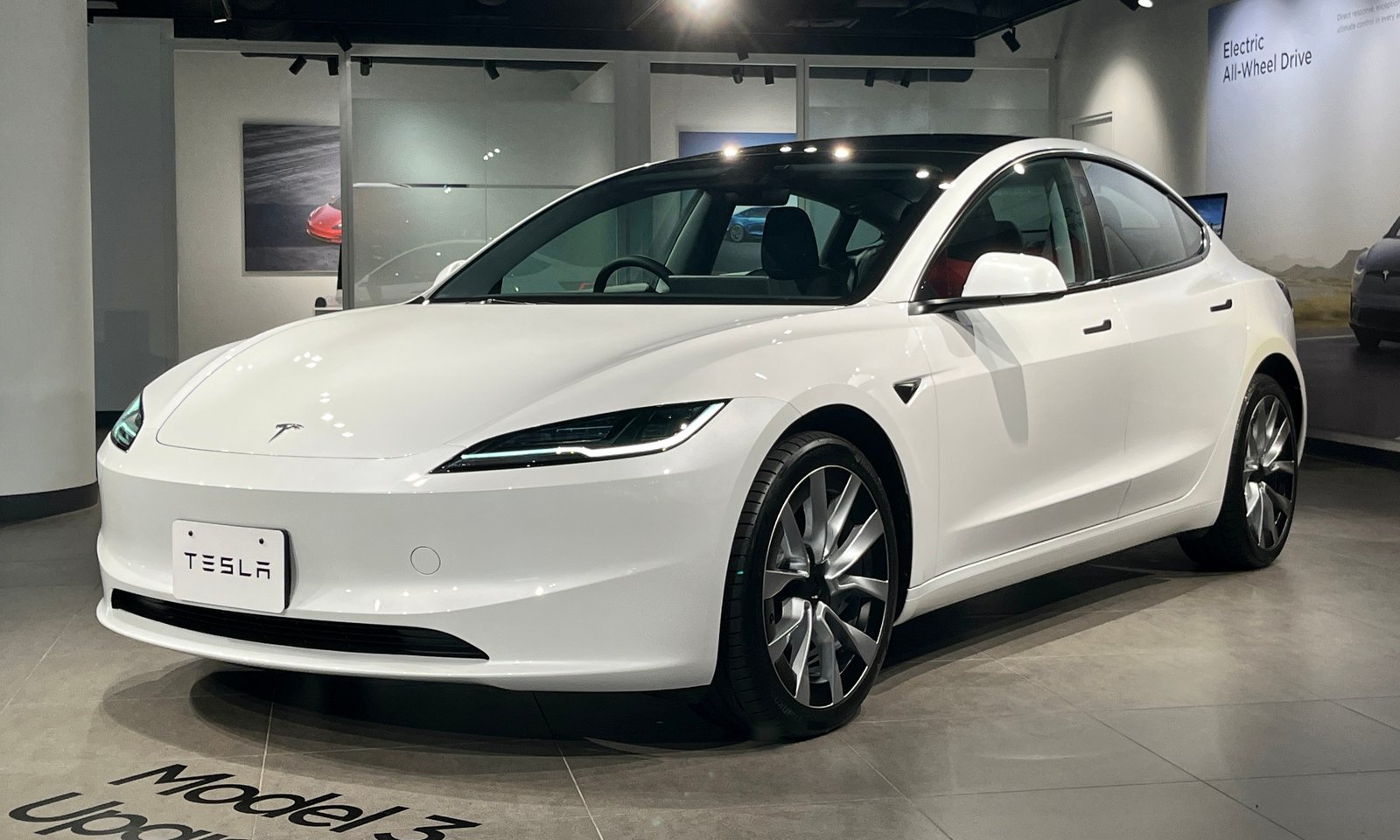
Hyundai’s Ioniq 6 sedan demonstrates the aerodynamic advantage over its SUV sibling, the Ioniq 5, stretching to 361 miles in its SE RWD configuration. Tesla’s Model 3 Long Range follows closely at 358 miles, balancing performance and efficiency in a mid-priced package. Mercedes-Benz’s EQS sedan, with up to 350 miles, showcases luxury integration with electric propulsion, while the Tesla Model X reaches 348 miles, pairing spacious interiors with distinctive falcon-wing doors.
The Model Y Long Range, at 330 miles, exemplifies platform versatility, sharing core drivetrain architecture with the Model 3. GMC’s Hummer EV pickup and SUV, despite their massive weight and classification as heavy-duty trucks, achieve 329 and 320 miles respectively thanks to a 200 kWh battery—an energy storage scale rarely seen in passenger vehicles. Rivian’s R1T pickup and R1S SUV deliver 328 and 321 miles, respectively, leveraging quad-motor setups and large battery packs to support off-road capability.
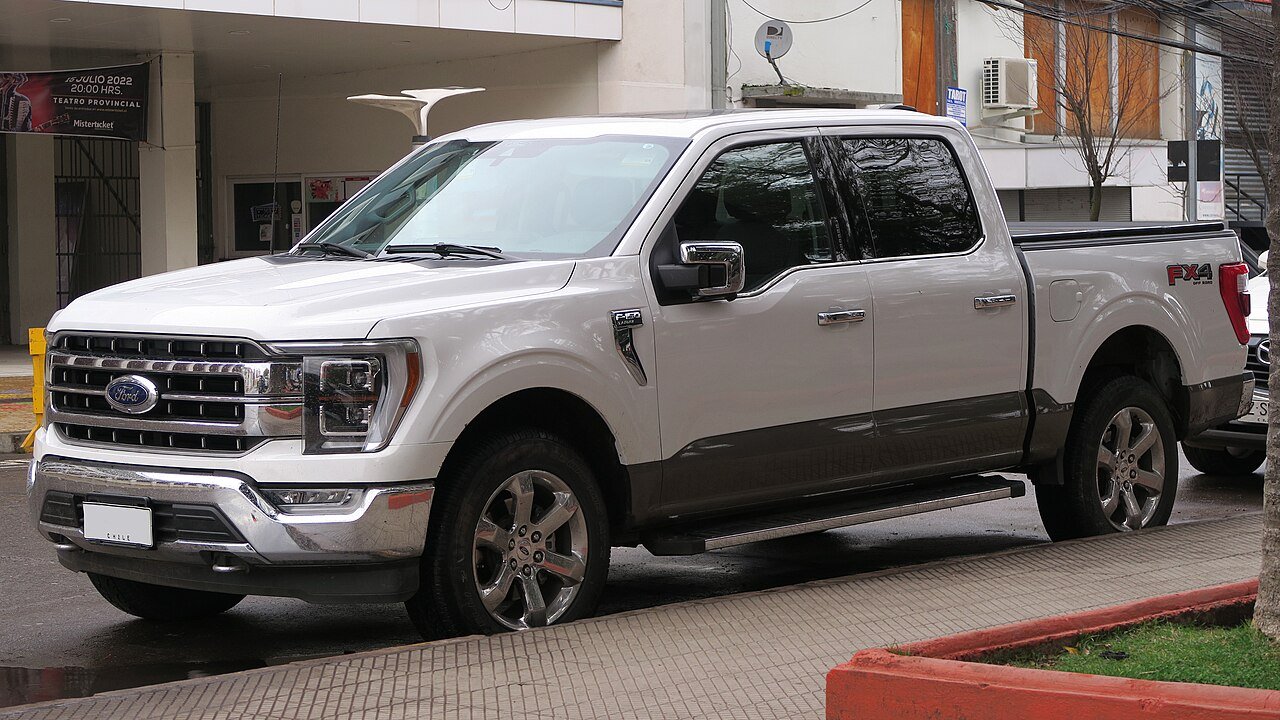
BMW’s iX crossover reaches 324 miles, its upright profile offset by a 111.5 kWh battery, while Ford’s F-150 Lightning Extended Range trim matches 320 miles, integrating a proven truck platform with electric torque delivery. BMW’s i7 sedan offers 318 miles with smaller wheels, underscoring the impact of rolling resistance and wheel size on range.
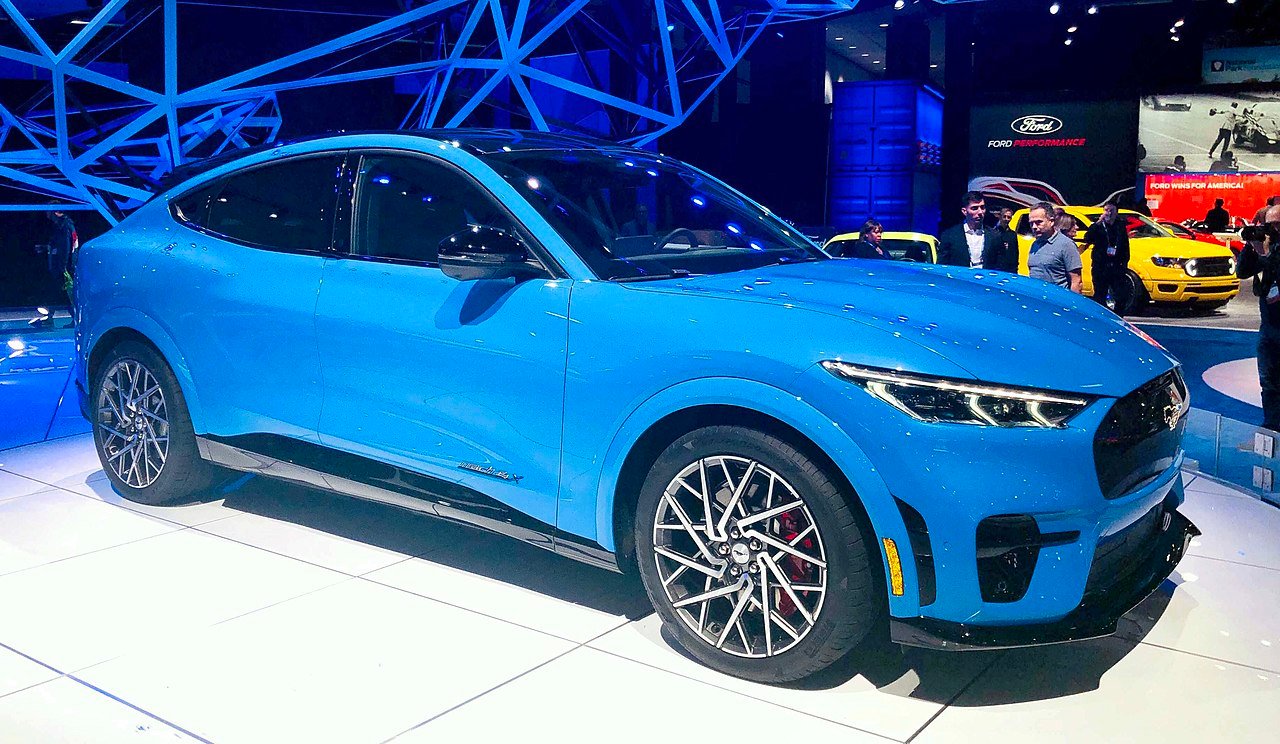
Cadillac’s Lyriq and Ford’s Mustang Mach-E California Route 1 Edition both achieve 312 miles, each representing distinct interpretations of electric luxury and sport utility. Kia’s EV6 single-motor long-range variant reaches 310 miles, emphasizing a sportier chassis than its Hyundai counterpart. Mercedes-Benz’s EQS SUV posts 305 miles, with added passenger capacity. Nissan’s Ariya Venture Plus FWD configuration offers 304 miles, while Hyundai’s Ioniq 5 Long Range hits 303 miles.
BMW’s i4 eDrive40 sedan delivers 301 miles, blending conventional sedan aesthetics with electric propulsion. Genesis’ Electrified G80 offers 282 miles in a dual-motor luxury sedan format. Volkswagen’s ID.4 Pro reaches 275 miles, and Polestar’s single-motor Polestar 2 stretches to 270 miles, both illustrating efficiency gains through drivetrain simplification.
Compact crossovers like Hyundai’s Kona Electric (258 miles) and Kia’s Niro EV (253 miles) provide accessible entry points to EV ownership. Toyota’s bZ4X single-motor variant reaches 252 miles, while Genesis’ GV60 offers 248 miles with standard dual motors. Chevrolet’s Bolt EUV and Jaguar’s I-Pace both post mid-240-mile ranges, with the Porsche Taycan sedan matching 246 miles after efficiency-focused software updates.
Audi’s E-Tron GT reaches 238 miles, prioritizing performance over maximum range. Subaru’s Solterra, with standard dual-motor AWD, caps at 228 miles. Nissan’s Leaf SV offers 212 miles, continuing a legacy of affordable EVs. The Vinfast VF 8 is rated at 207 miles, while Lordstown’s Endurance pickup reaches 174 miles amid production challenges. Mazda’s MX-30, with just 100 miles, reflects its origins as a plug-in hybrid platform.
Across the spectrum, range figures reveal the interplay between battery capacity, vehicle mass, aerodynamic drag, and drivetrain efficiency. For the technically inclined, these numbers are not just consumer metrics—they are engineering case studies in energy optimization and system integration.