

Inside NASA’s Artemis Moon Mission Architecture
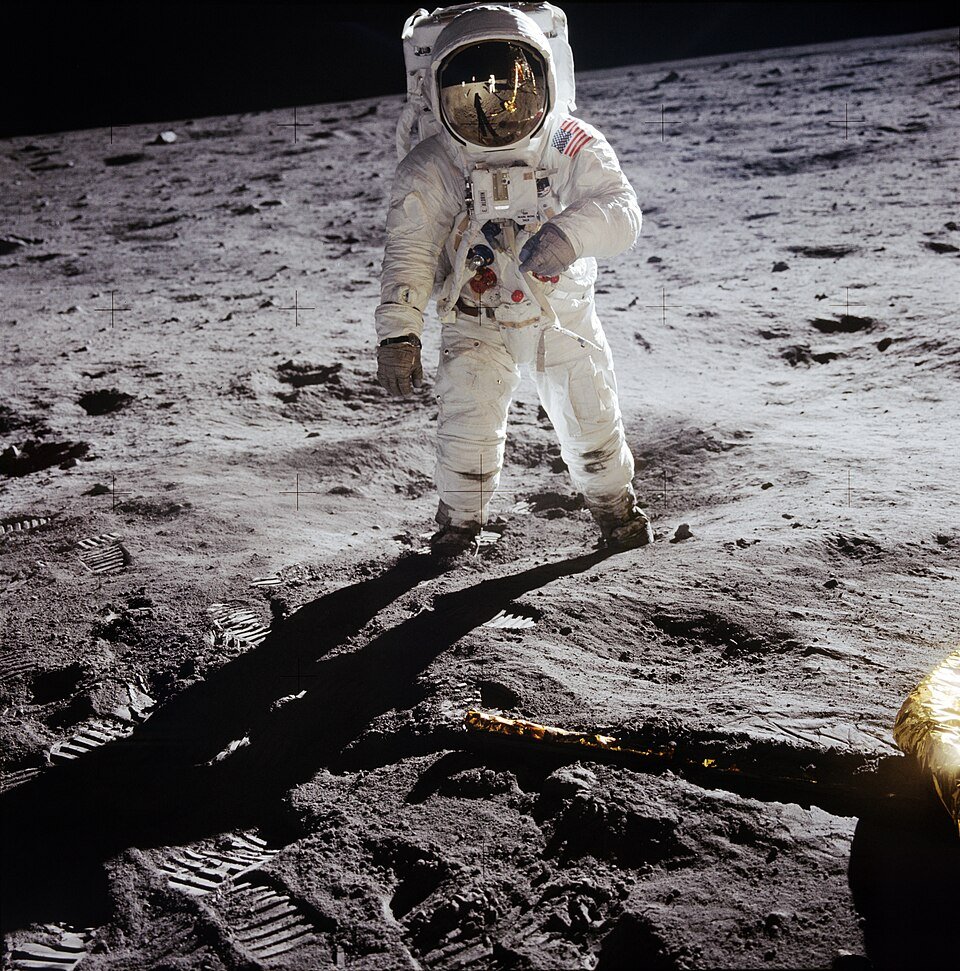
NASA’s Artemis program represents the most ambitious lunar exploration effort since Apollo, combining cutting-edge spacecraft, international collaboration, and commercial innovation to return humans to the Moon. The mission architecture rests on four core components: Orion, Gateway, the Human Landing System (HLS), and the Space Launch System (SLS).
Orion serves as the crew’s primary transport through deep space. Its command module integrates advanced life support systems, navigation controls, and interfaces for docking with other spacecraft. Attached to Orion is the European-built service module, providing propulsion, power, and thermal regulation. Once in lunar orbit, Orion will dock with Gateway, a small but highly capable space station designed to orbit the Moon.
Gateway differs significantly from the International Space Station. It will not be permanently occupied, instead acting as a staging point for lunar surface missions and a hub for scientific research. Even between crewed visits, its instruments will continue collecting data. International partners, including the European Space Agency (ESA) and the Japan Aerospace Exploration Agency (JAXA), are contributing critical modules.
Three Gateway modules are currently in development. The Habitation and Logistics Outpost (HALO) will be the station’s core, providing living quarters, command and control functions, environmental regulation, and power distribution. It will also carry radiation monitoring systems to study the harsh environment of cislunar space. The International Habitation module (I-HAB) will expand living space and add facilities for scientific experiments. ESA is leading its development, with contributions from JAXA and other partners. ESPRIT will enhance communications, provide refueling capabilities, and include a viewing port reminiscent of the ISS cupola, offering astronauts a panoramic perspective of the Moon.
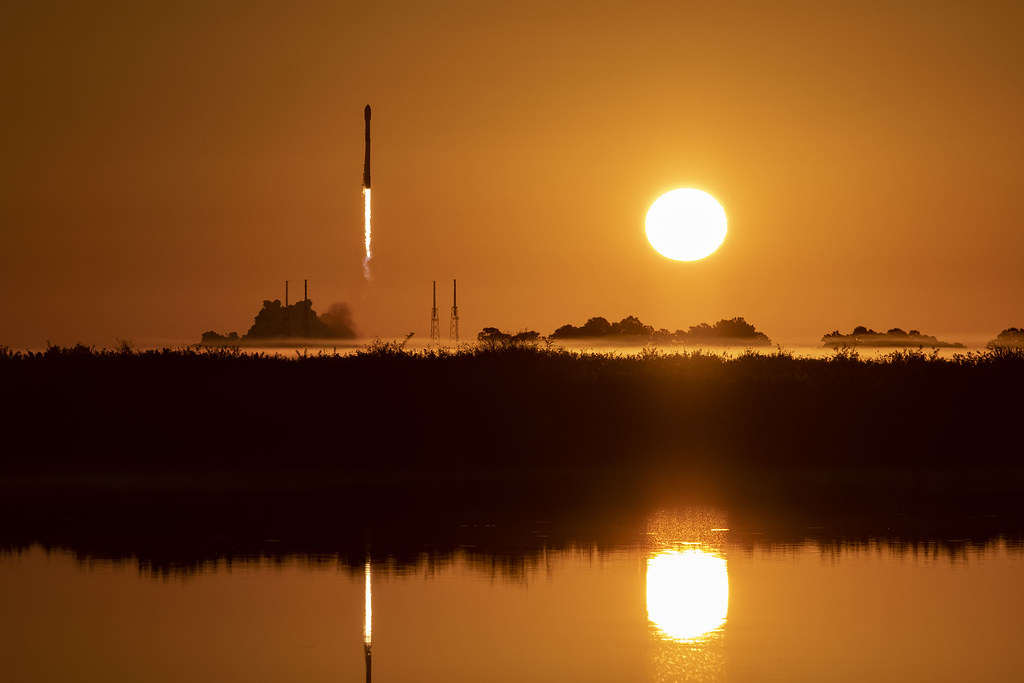
From Gateway, astronauts will transfer to the Human Landing System for descent to the lunar surface. Unlike Apollo’s single-use Lunar Module, Artemis landers are being designed for multiple missions. SpaceX is developing a lunar variant of its Starship for Artemis 3 and 4. Before carrying humans, Starship must complete an uncrewed demonstration landing to prove it can safely touch down on the Moon. Blue Origin has been contracted to deliver the HLS for Artemis 5, aiming to increase crew capacity and extend surface stays.
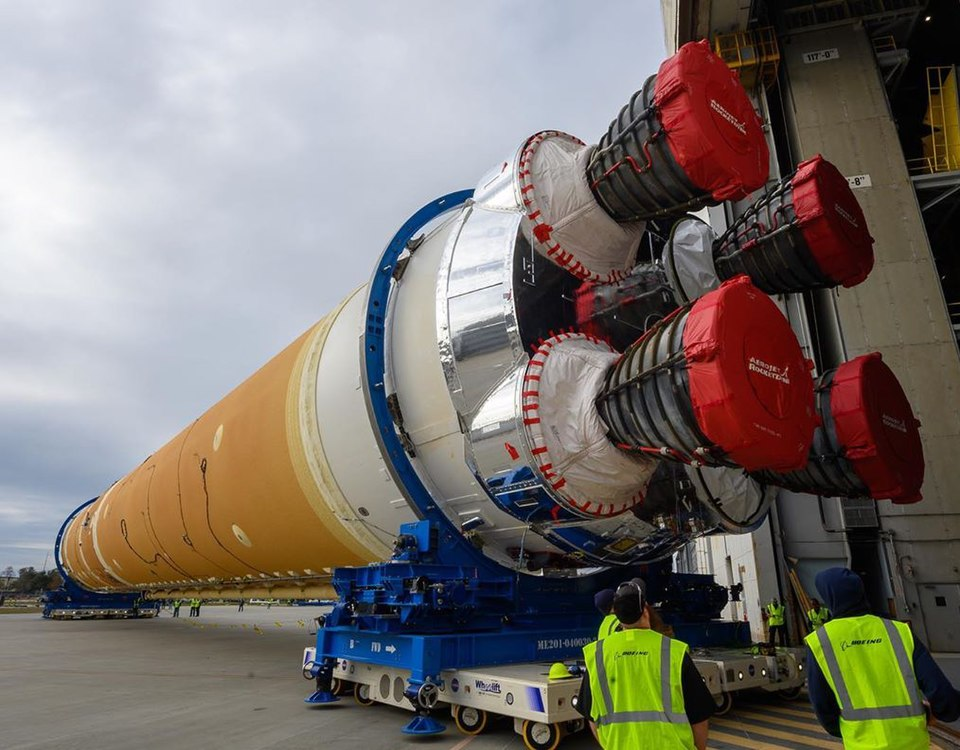
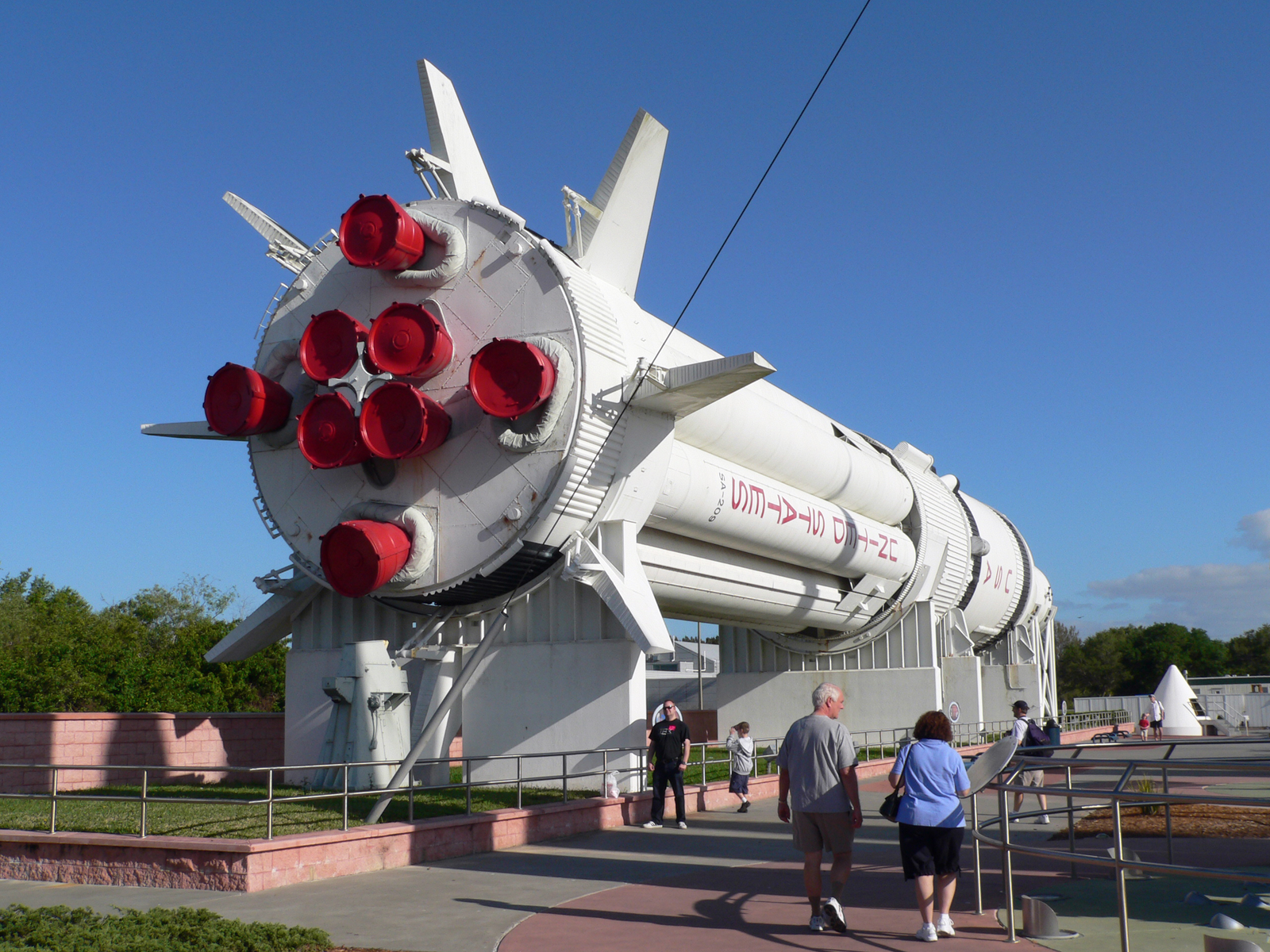
The Space Launch System ties these elements together. Standing 322 feet tall—taller than the Statue of Liberty—the SLS is among the most powerful rockets ever built, delivering 15% more thrust than the Saturn V. Each launch is estimated at $800 million, reflecting the complexity and scale of the hardware. The rocket’s heavy-lift capability is essential for sending Orion, its crew, and mission payloads beyond Earth’s gravitational well.
NASA views Artemis as a stepping stone toward Mars. While a lunar journey takes about three days, reaching Mars involves months of travel and far greater logistical challenges. Establishing a sustainable lunar presence will allow space agencies and private companies to refine life-support systems, surface operations, and resource utilization—critical technologies for eventual Mars expeditions.
Crew selection for Artemis missions has evolved since the program’s inception. In 2020, NASA introduced the ‘Artemis Team,’ a group of 18 astronauts intended for lunar assignments. Later, the agency broadened eligibility to its entire astronaut corps. On April 3, 2023, NASA announced the crew for Artemis 2: Christina Koch as mission specialist, Victor Glover as pilot, Reid Wiseman as commander, and Jeremy Hansen of the Canadian Space Agency as mission specialist. Andre Douglas was named as a backup astronaut. Crews for Artemis 3, 4, and 5 have yet to be confirmed.
The Artemis program’s blend of government, international, and commercial contributions underscores a shift in space exploration strategy. By integrating reusable landers, modular orbital infrastructure, and a super-heavy launch system, NASA is building the framework for a sustained human presence beyond Earth.