


Uganda Turns Banana Waste Into High-Value Materials
Uganda, ranking second only to India in global banana production and consumption, generates about 10 million metric tons of bananas annually. With more than three-quarters of its population relying on the fruit as a staple food, daily consumption reaches nearly one kilogram per person. Bananas are incorporated into a wide range of products, from savoury dishes and desserts to wine, juice, beer, and dehydrated snacks. Their nutritional profile—rich in vitamin B6, potassium, and dietary fibre—also makes them a key ingredient in ready-to-use therapeutic foods for combating malnutrition.

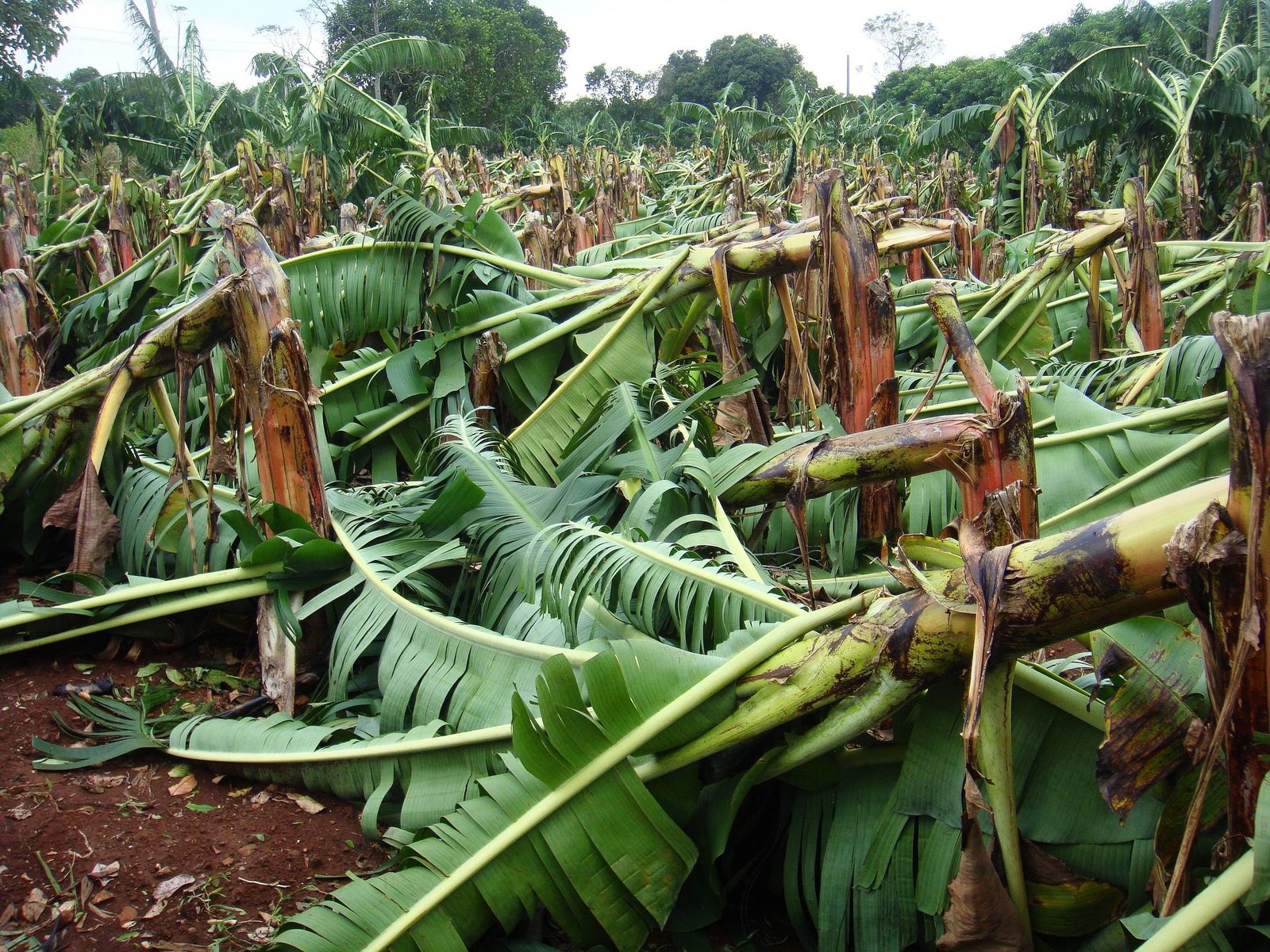
Yet this abundance comes with a significant waste challenge. Post-harvest and processing operations leave behind vast quantities of banana stems, which are typically discarded. These residues accumulate at farms, collection centres, and trading sites, often ending up in landfills and contributing to environmental strain. Historically, extracting usable fibre from banana stems involved manual scraping of the sheath to reveal the fibres—a labour-intensive process unsuitable for large-scale production.
Responding to this inefficiency, smallholder banana farmers in Uganda have collaborated with the local non-formal engineering sector to develop mechanical extractor machines. These devices streamline fibre separation, enabling commercial-scale processing and opening new industrial possibilities. One prominent example is TEXFAD, a community-based start-up that partners directly with farmers. By purchasing stems once considered waste, TEXFAD has created a new revenue stream for rural producers. The company now manufactures over 30,000 square feet of rugs annually from banana fibre.
TEXFAD founder Muturi Kumani notes, “In addition to banana fibre carpets, local artisans are testing ways of turning banana fibre into biodegradable hair extensions and cotton-like textiles ideal for apparel and the fashion industry. Banana fibre is also being developed into vegan leather — offering sustainable leather for shoes, belts, wallets and bags, etc. While by-products of banana fibre production are carbonised and turned into charcoal briquettes, which are smoke-free and offer four to six hours of clean energy.” These applications illustrate the versatility of banana fibre as a sustainable material, with mechanical properties comparable to certain bast fibres and potential for integration into composite materials.
The emerging banana fibre sector is also addressing Uganda’s pressing employment needs. Nearly 77% of the population is under 25, and youth unemployment rates are among the highest in Africa. TEXFAD’s vocational training and business incubation programmes have trained over 400 young people, retaining 27 in full-time roles within the company. Management and departmental leadership are youth-led, fostering skills in extraction, textile production, and product design. The organisation’s reach extends beyond Uganda, with training initiatives conducted in Mauritius, Nigeria, and Kenya, promoting knowledge transfer across the continent.
From an engineering perspective, the mechanisation of fibre extraction represents a critical step in scaling production while maintaining artisanal quality. The industry’s current aim is to mechanise portions of the process—targeting mass production—while preserving over 60% manual craftsmanship to sustain traditional techniques. This hybrid approach aligns with sustainable consumption and production principles, balancing efficiency with cultural and environmental considerations.
The World Economic Forum’s January 2023 circular transformation white paper, developed with Bain & Company, the University of Cambridge, and INSEAD, underscores that organisations adopting adaptable, circular operating models are better positioned to thrive during disruptions. Uganda’s banana fibre industry exemplifies this shift, converting agricultural waste into high-value products and reducing reliance on non-renewable materials. The country envisions becoming a continental hub for eco-friendly, sustainable products, leveraging its agricultural strengths and engineering innovation to reinforce a circular economy framework.