

Global Automotive Manufacturing Faces a Decade of Transformation
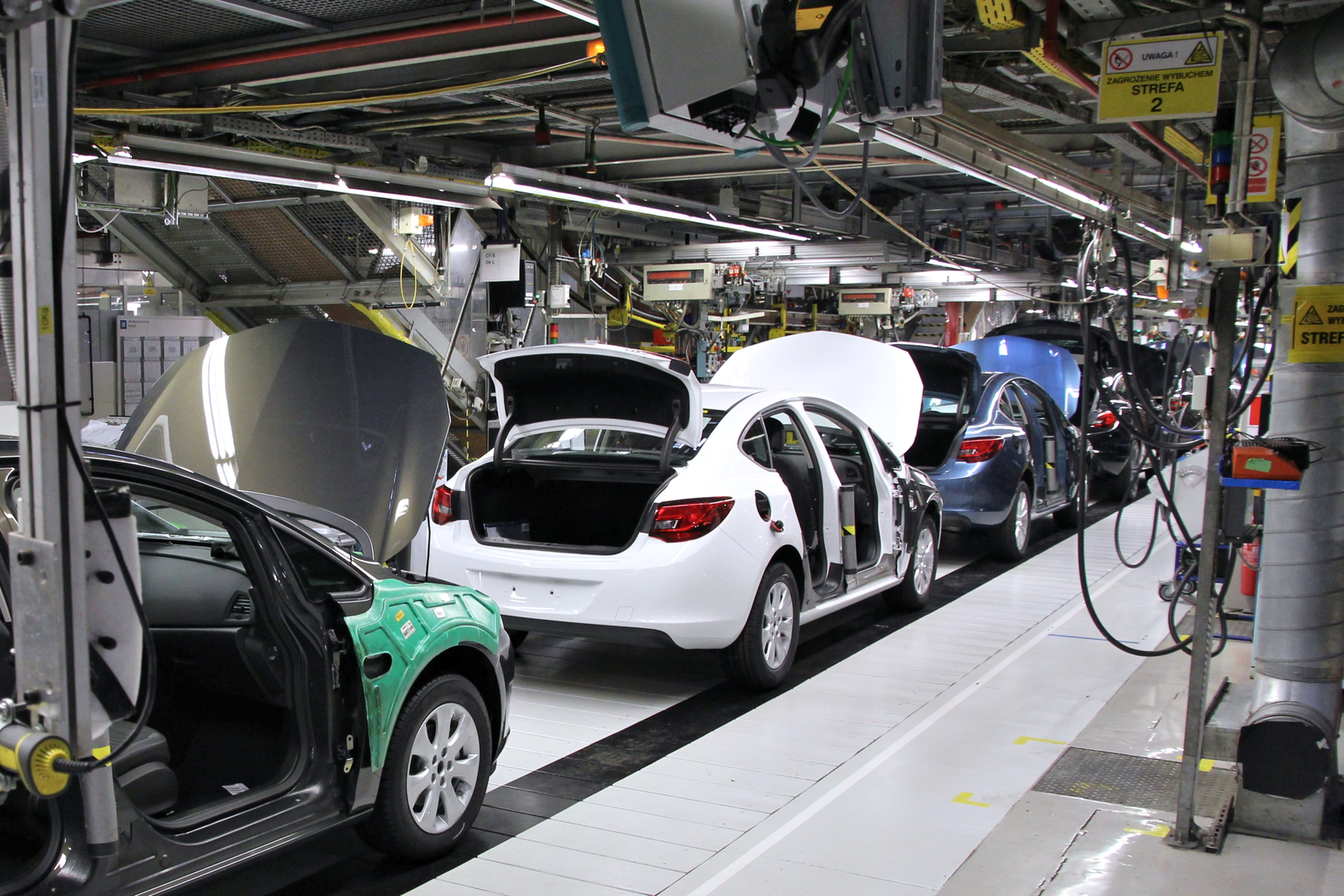
The automotive manufacturing sector remains one of the largest and most influential industries in the global economy. Each year, production reaches approximately 60 million vehicles, a scale that underpins about half of worldwide oil consumption. Direct employment stands at around 4 million people, with many more jobs supported indirectly through the extensive supply chains and service networks connected to the industry. Its economic footprint is substantial, contributing roughly 3% of global GDP, with even greater significance in emerging markets such as China and India, where the share rises to 7%.

Automotive manufacturing supports three interconnected pillars: industrial development, mobility, and people development. Manufacturing plants often act as anchors for industrial clusters, attracting steel producers, component suppliers, and glass manufacturers. These clusters frequently evolve into municipalities, driving infrastructure growth and shaping urban landscapes. Detroit in the United States, Guangzhou in China, and Chennai in India exemplify how such industrial ecosystems take root and expand.
The sector’s influence on mobility has been transformative. Widespread access to vehicles has enabled the efficient movement of people and goods, catalyzing migration patterns, business expansion, and the growth of suburban communities. While the primary focus of automotive manufacturing remains the production of vehicles for commercial, industrial, military, defense, and emergency service applications, its societal impact extends far beyond the factory floor.
Two themes dominate current industry discourse. The first is the transition from fossil-fueled vehicles to electric propulsion. Transportation accounts for more than one-third of global carbon dioxide emissions, making the shift to zero-emission electric vehicles a critical strategy in meeting climate goals. Manufacturers are responding with a steady pipeline of electric models, integrating advances in battery technology, power electronics, and lightweight materials to improve range and efficiency.
The second trend is the rise of connected vehicles, driven by the rapid expansion of the Internet of Things. Consumers increasingly expect seamless digital integration, and automakers are embedding connectivity features that enhance both functionality and user experience. Remote diagnostics, predictive maintenance, and real-time vehicle health reporting are becoming standard capabilities, enabled by high-speed data exchange and advanced analytics.
In 2022, the global automotive manufacturing market was valued at $2.9 trillion. After a period of contraction—marked by a 0.6% decline between 2017 and 2022, exacerbated by the COVID-19 pandemic—the sector has returned to growth, with a compound annual growth rate of 3.1%. Projections indicate further acceleration to 3.71% CAGR through 2030, with annual production expected to reach 122.83 million units, up from 85.32 million in 2020. Despite the momentum toward cleaner propulsion, internal combustion engine vehicles, both diesel and petrol, will remain significant in the mix for years to come.
China and the United States lead global production, supported by major manufacturers including Toyota Motor Corp., Volkswagen AG, Daimler AG, Ford Motor Co., Honda Motor Co. Ltd., Bayerische Motoren Werke AG, General Motors Co., Fiat Chrysler Automobiles NV, Hyundai, and Nissan. The competitive landscape is being reshaped by technological innovation, regulatory shifts, and evolving consumer preferences.
Four disruptive forces are expected to define the industry’s trajectory over the next decade: diverse mobility models, autonomous driving, electrification, and connectivity. Shared mobility is projected to account for one in ten cars sold by 2030, altering ownership patterns while still allowing for overall unit growth, albeit at a slower pace. Autonomous driving, anticipated to represent about 15% of new car sales by the end of the decade, faces hurdles in technology readiness and regulatory alignment before widespread adoption can occur.
Electrification will require manufacturers to adapt production processes, supply chains, and workforce skills. This transition is likely to proceed in stages, balancing the urgency of climate commitments with the realities of infrastructure readiness and market demand. Connectivity will continue to deepen, integrating vehicles into broader digital ecosystems that encompass navigation, entertainment, safety, and maintenance.
The automotive manufacturing sector’s scale, complexity, and interdependence with other industries position it as a central player in the global push toward sustainable, digitally enabled mobility.