



Air Force Advances Microwave Weapon to Counter Drones
In Norse legend, Mjölnir was the thunder god Thor’s weapon of choice, a hammer capable of felling giants. In modern cinema, it has been portrayed as a force for defeating galactic threats. The U.S. Air Force is now developing its own Mjölnir—though instead of striking with mythical lightning, this version will unleash high-power microwaves to disable small unmanned aerial systems.

The Air Force Research Laboratory (AFRL) has awarded a $26 million contract to Leidos to construct a prototype of the Mjölnir system. The design builds directly on the technology proven in AFRL’s Tactical High Power Operational Responder (THOR) program. “Because THOR was so successful, we wanted to keep the new system’s name in the family,” said Adrian Lucero, THOR program manager from AFRL’s directed energy directorate at Kirtland Air Force Base in New Mexico.
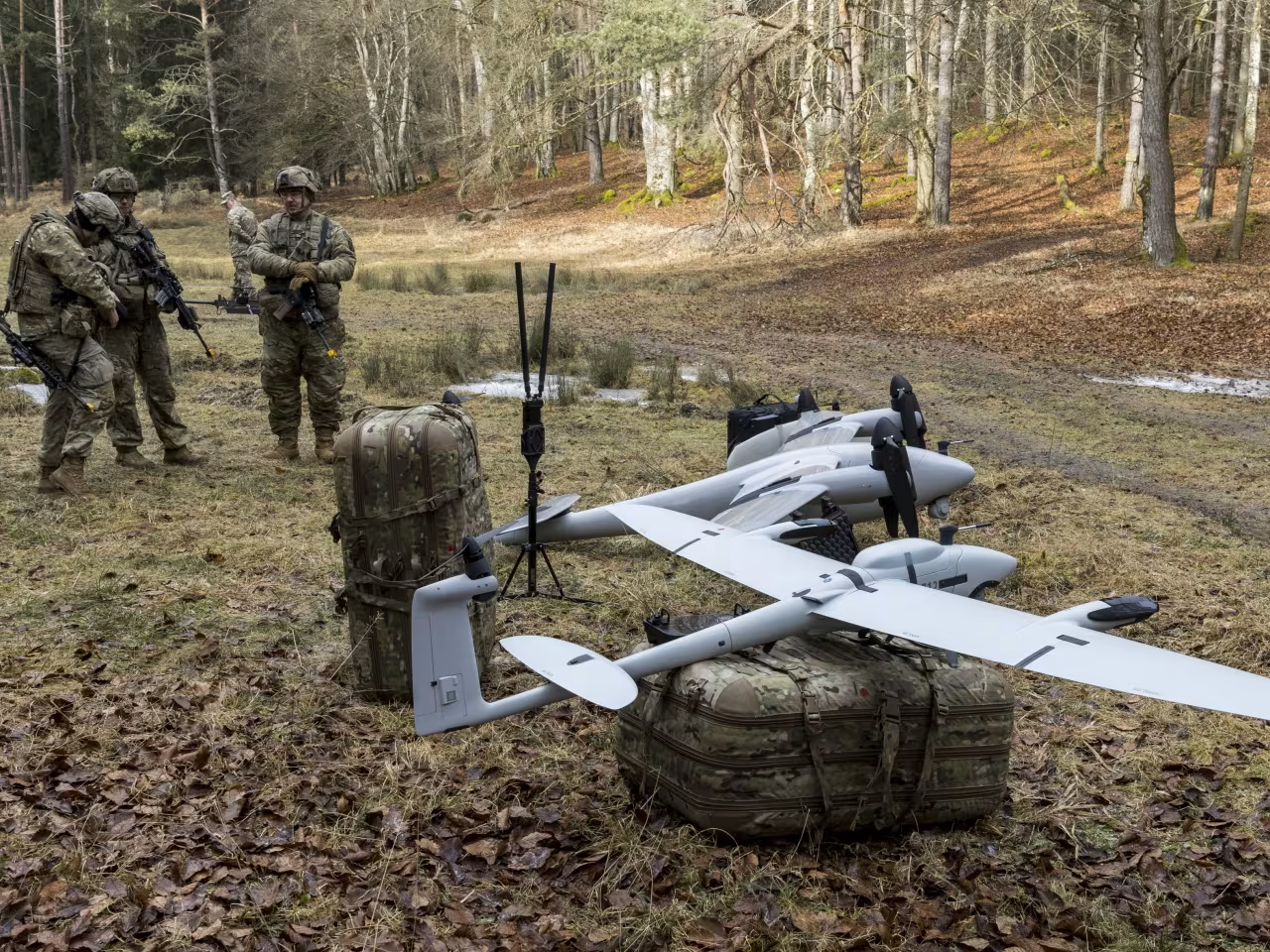
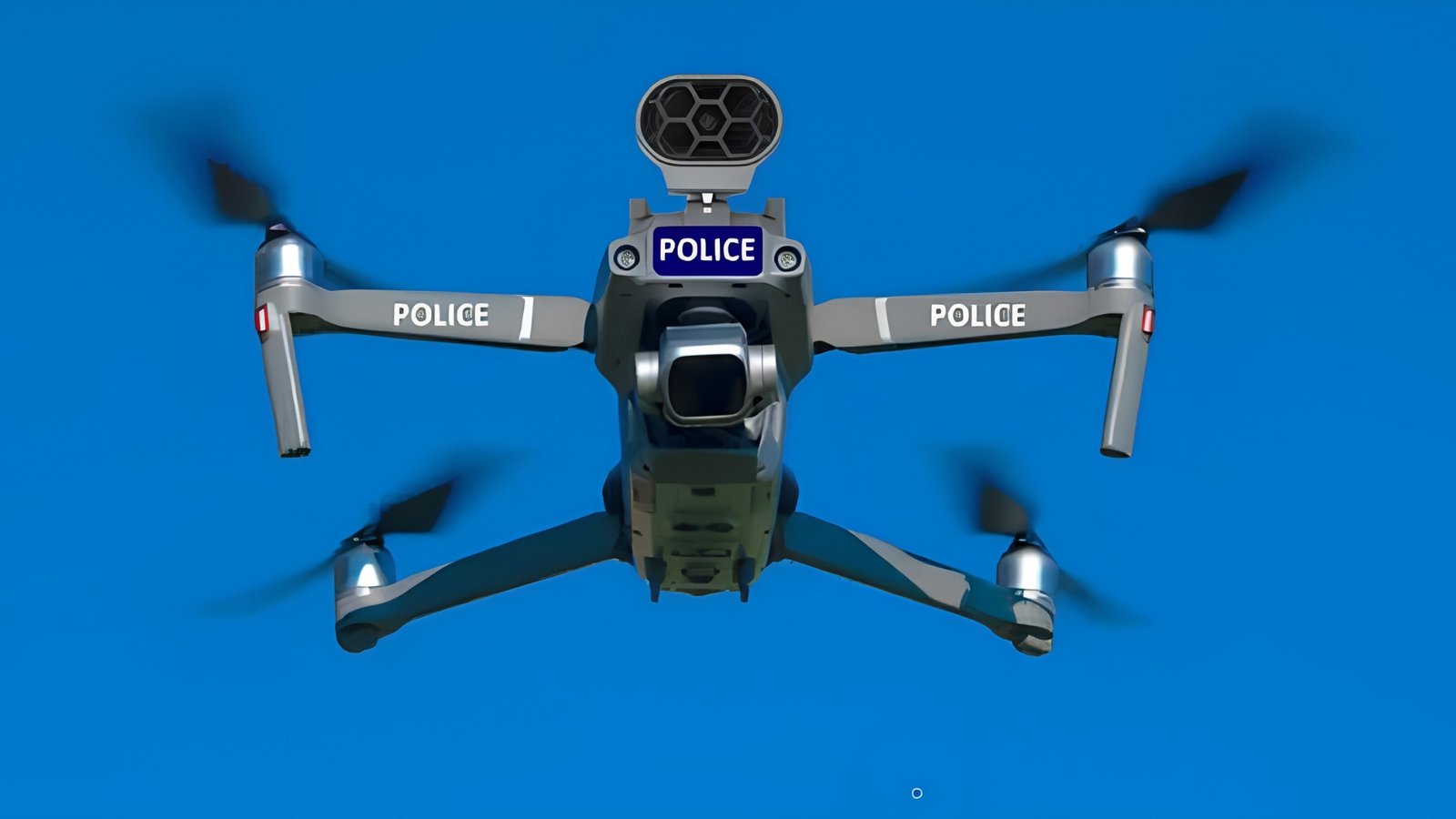
Leidos will begin work at its Albuquerque facilities in the spring, with AFRL targeting delivery of the prototype in 2023. The urgency stems from the rapid proliferation of small drones, which have become cheaper, more capable, and accessible to the public. These aircraft pose a dual threat: they can be used for surveillance of military installations or weaponized with explosives for direct attacks.
Marine Corps Gen. Kenneth McKenzie, head of U.S. Central Command, described the spread of small, inexpensive drones as the “most concerning tactical development” since improvised explosive devices emerged during the Iraq War. “I think what we’re seeing is the emergence of a new component of warfare,” McKenzie said.
The Department of Defense has responded by establishing the Joint Counter-Small Unmanned Aircraft Office, led by the Army, to coordinate counter-drone strategies. The Army itself plans to invest more than $50 million in technologies to neutralize small drones, with systems like THOR forming part of that portfolio.
THOR operates by emitting intense bursts of radio waves that disrupt the electronics of targeted drones, rendering them inoperable. Its capability to engage multiple targets simultaneously offers a significant advantage over kinetic methods such as gunfire or nets. A demonstration at Kirtland showed THOR’s effectiveness, prompting the Army to plan field testing as early as 2024 for base defense applications.
Mjölnir will incorporate THOR’s core technology but with enhancements aimed at greater capability and reliability. According to AFRL, improvements will include extended range and advanced detection and tracking systems. Lucero emphasized that the project will create “a detailed blueprint for all future [counter-unmanned aerial system high-power microwave] systems with enhanced range and technology for detecting and tracking” drones.
AFRL’s investment in THOR totaled $15 million, developed in partnership with BAE Systems, Leidos, and Verus Research, an Albuquerque-based engineering firm. The collaboration brought together expertise in directed energy, system integration, and applied research, resulting in a platform that operates silently and instantaneously—attributes noted by AFRL as critical for rapid response against airborne threats.
The broader context underscores a shift in military defense priorities. Small drones, often built from commercially available components, have introduced a low-cost, high-impact tool for adversaries. Their agility and versatility make them difficult to counter with traditional defenses. High-power microwave systems like THOR and Mjölnir represent a non-kinetic approach, neutralizing threats without the collateral damage associated with explosives or projectiles.
For engineers and technologists, the Mjölnir project illustrates the intersection of advanced materials, electromagnetic theory, and precision targeting. The system’s design must balance power generation, beam control, and mobility, all while ensuring resilience in varied operational environments. As AFRL transitions the technology to Leidos for production, the effort reflects a broader trend toward scalable, deployable directed-energy solutions in modern warfare.