


Automakers Accelerate Shift to Lightweight Vehicle Materials
For more than a century, mild steel defined automotive construction, prized for its strength, cost efficiency, and ease of fabrication. Today, manufacturers are steadily moving away from this long-standing substrate. “Automakers are now moving away from the use of mild steel, which was a core substrate used for automotive construction for a long time,” stated Ryan Mandell, director, Claims Performance, Auto Physical Damage Solutions for Mitchell International. In its place, a growing mix of aluminum, high-strength and ultra-high-strength steels, composite plastics, and even carbon fiber is appearing in production vehicles.
Mandell’s career spans insurance adjusting, collision repair operations, and automotive recycling management before joining Mitchell in 2017. He notes that the shift is driven by multiple factors. Chief among them is compliance with the National Highway Traffic Safety Administration’s Corporate Average Fuel Economy (CAFE) standards, which mandate an average fuel efficiency of 54.5 miles per gallon for new vehicles by 2025. Lightweight materials help reduce vehicle mass, directly improving fuel economy.
Electrification adds another layer of necessity. While electric vehicles lack internal combustion engines, their lithium-ion battery packs are heavy. A study by global transportation company Kar-Tainer found EVs average more than 400 pounds heavier than comparable gasoline-powered models. Lithium-ion cells have relatively low energy density, requiring large battery assemblies to deliver competitive range and performance. Until solid-state battery technology matures, automakers must offset this mass through lighter structural components.
Crash performance is also a driver. University research comparing structural aluminum to mild steel found aluminum absorbed twice the crash energy. This property can improve occupant protection while enabling weight savings. Mandell observed that aluminum’s use in collision repair facilities was rare in 2008 but had become common by 2012. Mitchell’s estimating data shows a steady annual increase in major components made from lightweight materials.
Industry forecasts, such as those from IHS Markit, predict high-strength steels will comprise a greater percentage of vehicle content over the next decade, displacing mild steel. These steels, produced at higher firing temperatures, achieve greater rigidity and tensile strength while reducing mass.
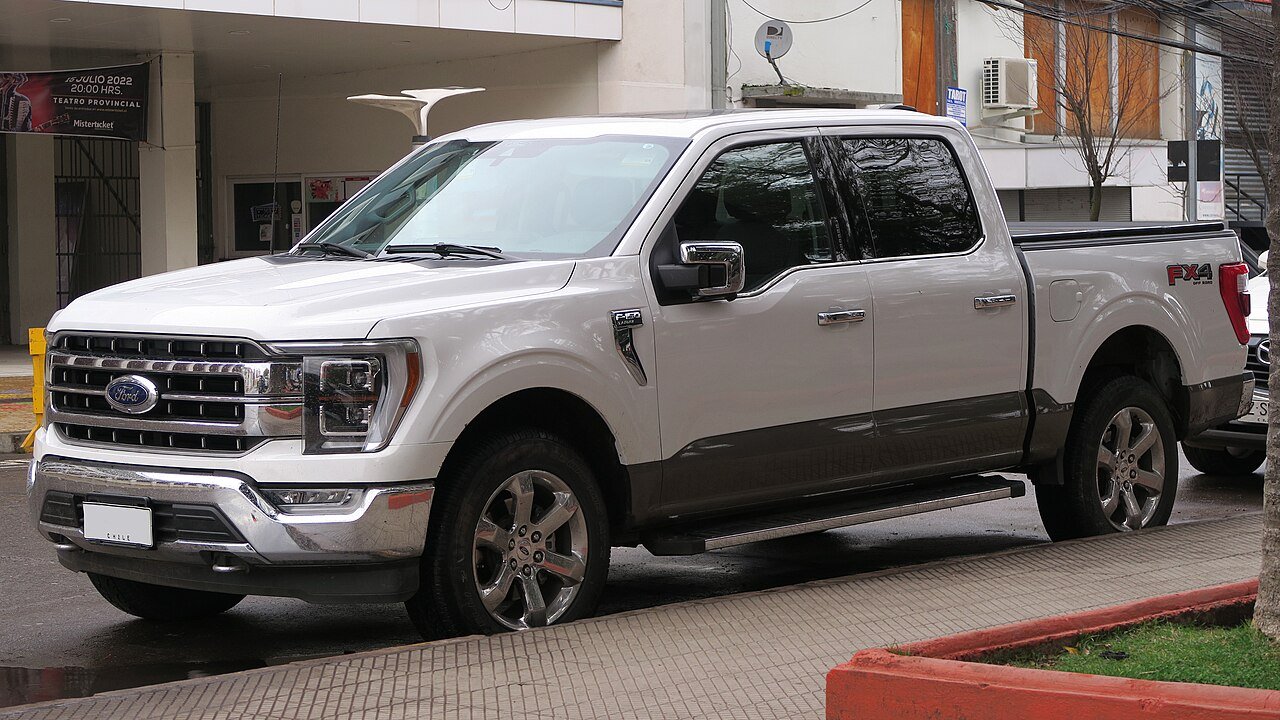
For collision repairers, the material shift demands adaptation. Ford’s 2015 all-aluminum F-150 prompted shops to invest in specialized clean rooms, dedicated tools, and dust evacuation systems. Composite plastics and carbon fiber are also entering the mix, each with distinct damage patterns and repair limitations. Ultra-high-strength steel components, for example, often cannot be repaired without compromising structural integrity. Aluminum tends to crack rather than deform under impact, dispersing energy differently than mild steel, which dents and transmits forces through the structure.
Mandell illustrated the implications with the 2018 Audi A3. The gasoline version uses mild steel fenders, while the plug-in e-tron variant employs aluminum. Though visually identical, their crash responses differ significantly, affecting repair strategies.
Weight reduction influences every design decision, as noted by Ford Explorer chief engineer Bill Gubing: “Weight was a factor in every decision they made on the 2020 Explorer.” The model integrates aluminum, steel, magnesium, and plastic to balance mass savings with crash performance. For repairers, such diversity reduces opportunities for traditional panel repair, potentially lowering profit margins and extending cycle times.
Preparation hinges on education and tooling. Mandell emphasizes understanding vehicle material composition, investing in proper equipment, and pursuing training. Organizations like I-CAR are updating curricula to address mixed-material repairs, and OEM repair procedures must be consulted regularly. Mitchell is working to integrate these into estimating platforms to streamline shop research.
Customer communication is equally important. Many owners are unaware of the materials in their vehicles or their impact on repair outcomes. Early discussions during estimating can position shops as knowledgeable advocates, building trust while setting realistic expectations.
Specialization offers future opportunities. Facilities that develop expertise in repairing advanced materials can establish profitable niches, whether operating independently or within larger networks. The evolving material landscape is reshaping both vehicle engineering and the business of keeping those vehicles on the road.