

Emerging Propulsion Technologies Reshaping Spaceflight
The U.S. Defense Advanced Research Projects Agency has initiated a program involving Blue Origin, Lockheed Martin, and General Atomics to develop nuclear fission thermal rockets for operations in lunar orbit. Such propulsion systems, if successfully deployed, could mark a significant shift in space transportation capabilities. Yet nuclear thermal propulsion is only one of several innovative approaches now under exploration.

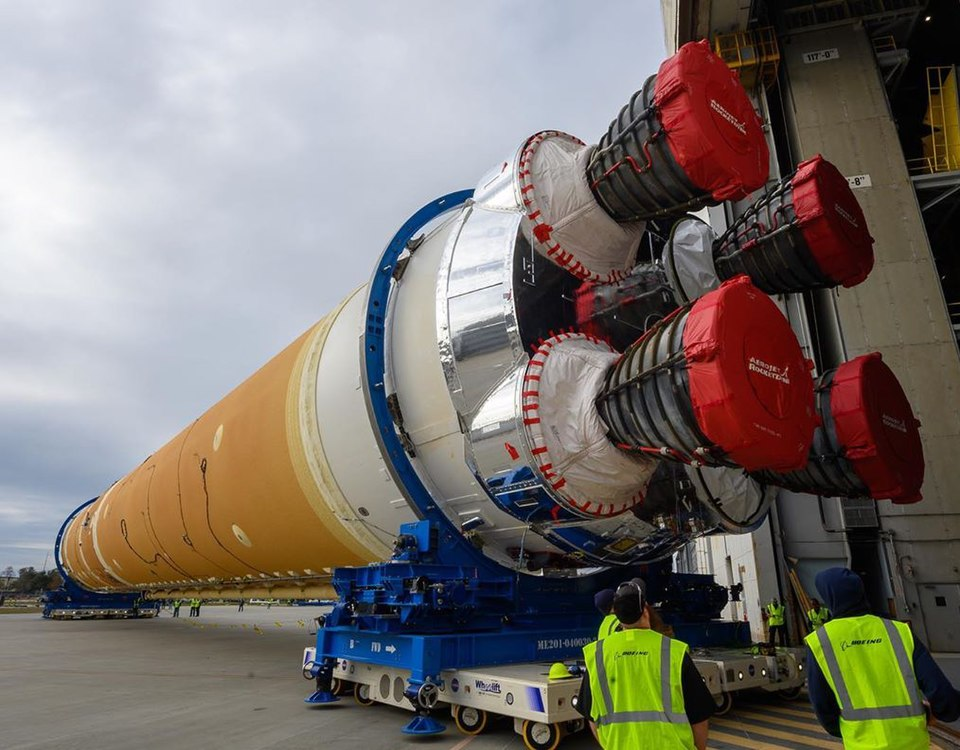
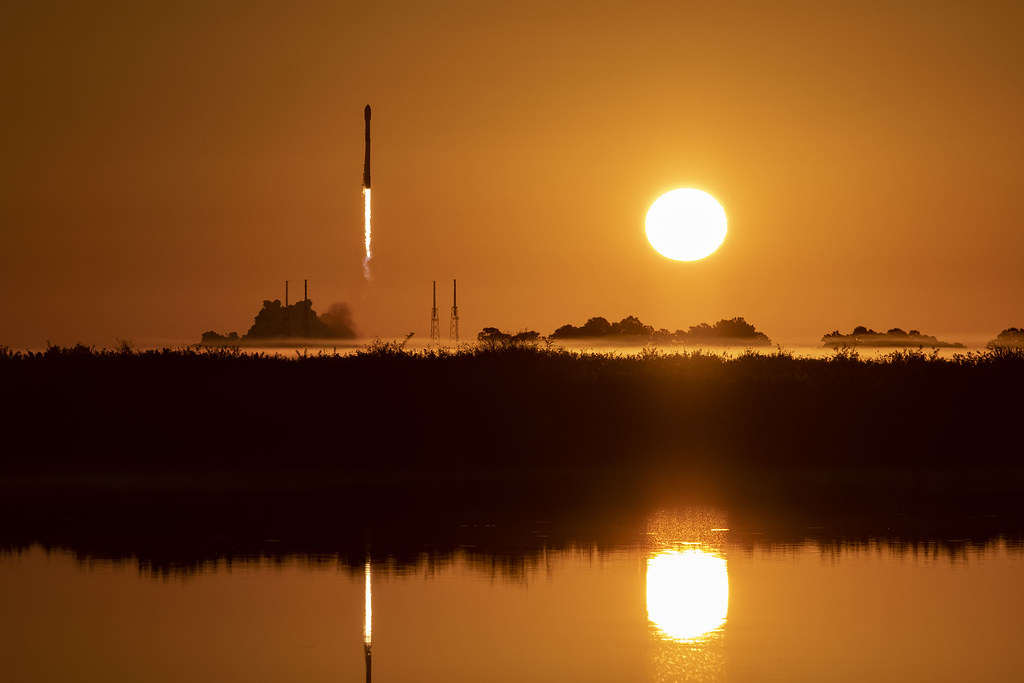
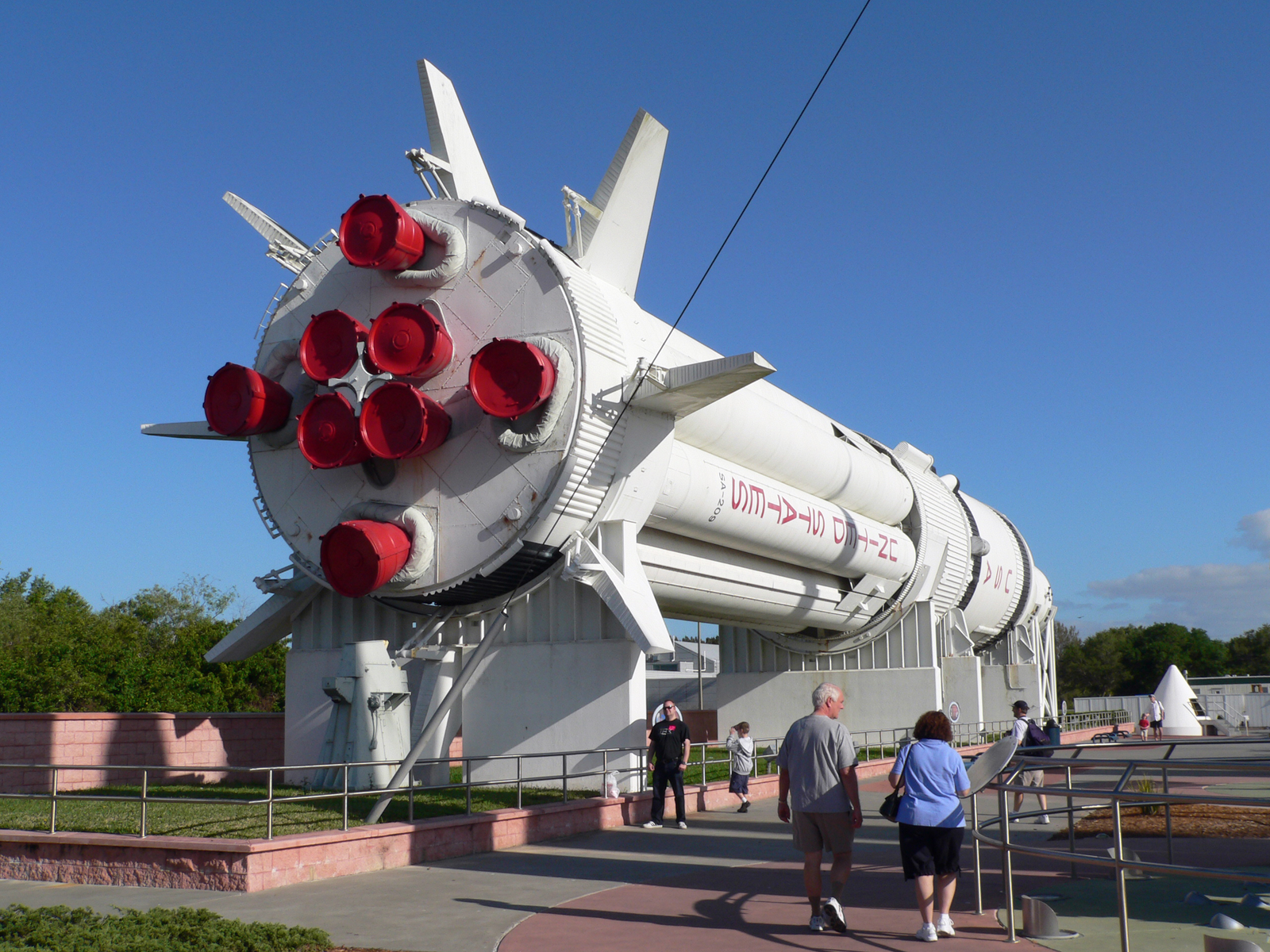
Conventional spacecraft propulsion relies on chemical rockets, which fall into two primary categories: solid-fueled and liquid-fueled. Solid boosters, exemplified by those used on the Space Shuttle, and liquid-fueled engines, such as those on the Saturn V, both operate by generating high-temperature, high-pressure gas through chemical reactions. This gas expands through a nozzle, producing thrust. The process requires a fuel—ranging from liquid hydrogen to powdered aluminum—and an oxidizer, such as oxygen. Engineers continuously refine designs to maximize thrust and efficiency.
SpaceX has been testing its Starship prototype, powered by the Raptor engine. This full-flow staged combustion design burns methane with oxygen, offering superior fuel efficiency and a higher thrust-to-weight ratio compared to traditional chemical engines. While similar concepts were trialed by Russian engineers in the 1960s and by U.S. programs in the 2000s, none have yet flown in space.
Nuclear fission propulsion leverages the immense energy released when unstable atomic nuclei split into smaller fragments upon neutron bombardment. In a nuclear thermal rocket, hydrogen or another propellant is heated to extreme temperatures by a fission reactor, creating high-pressure gas that exits through a nozzle to produce thrust. These systems are not intended for Earth launch but excel in space, where they can achieve far greater velocities for a given propellant mass. Ground tests have demonstrated potential transit time reductions for crewed Mars missions—from seven months to roughly three months. Challenges include managing radioactive waste and mitigating risks from potential launch failures. Miniaturizing reactors to fit spacecraft constraints is a critical engineering hurdle, though advances in compact fission systems are progressing.
Ion propulsion, long a staple of science fiction, is a proven technology in modern spaceflight. Ion drives ionize a propellant such as xenon, accelerate the charged particles with electric fields, and expel them to generate thrust. The momentum imparted per particle is minimal, resulting in low acceleration, but the efficiency is exceptional. Ion thrusters are ideal for long-duration missions and precise attitude control. They have powered missions like ESA’s SMART-1 to the Moon and BepiColombo to Mercury. Solar arrays typically supply the necessary electrical power, minimizing propellant needs. NASA’s work on high-power electric propulsion for the Lunar Gateway underscores the growing role of ion systems in sustained lunar operations.
Solar sails represent another unconventional method, using photon momentum to propel spacecraft. Photons, though massless, transfer momentum upon striking a reflective surface. The acceleration is minute, requiring vast sail areas for measurable effect. At Earth’s distance from the Sun, solar irradiance delivers about 1.3 kilowatts per square meter; a sail the size of a football field could harness roughly 9.3 megawatts, still yielding low acceleration for small payloads. Japan’s IKAROS mission demonstrated solar sail navigation past Venus, while the Planetary Society’s Lightsail-2 continues to operate in Earth orbit.
Laser-driven sails offer a way to amplify photon pressure using concentrated beams, enabling higher acceleration and smaller sails. Such systems would likely need to be based in orbit to avoid atmospheric attenuation. Lasers have also been proposed for orbital debris mitigation, slowing objects so they re-enter and burn up.
As governmental and private actors expand ambitions for a sustained human presence beyond Earth, these propulsion technologies—chemical, nuclear, electric, and photonic—are poised to transition from experimental concepts to operational systems, reshaping the engineering landscape of space exploration.