

North America Drives Rapid Commercial Drone Market Expansion
The commercial drone sector is on a trajectory of remarkable growth, with market size projected to increase by USD 44.85 billion between 2022 and 2027. This expansion represents a compound annual growth rate of 38.97%, according to data from Technavio. North America is expected to account for 44% of this global growth, underscoring the region’s pivotal role in shaping the industry’s future.

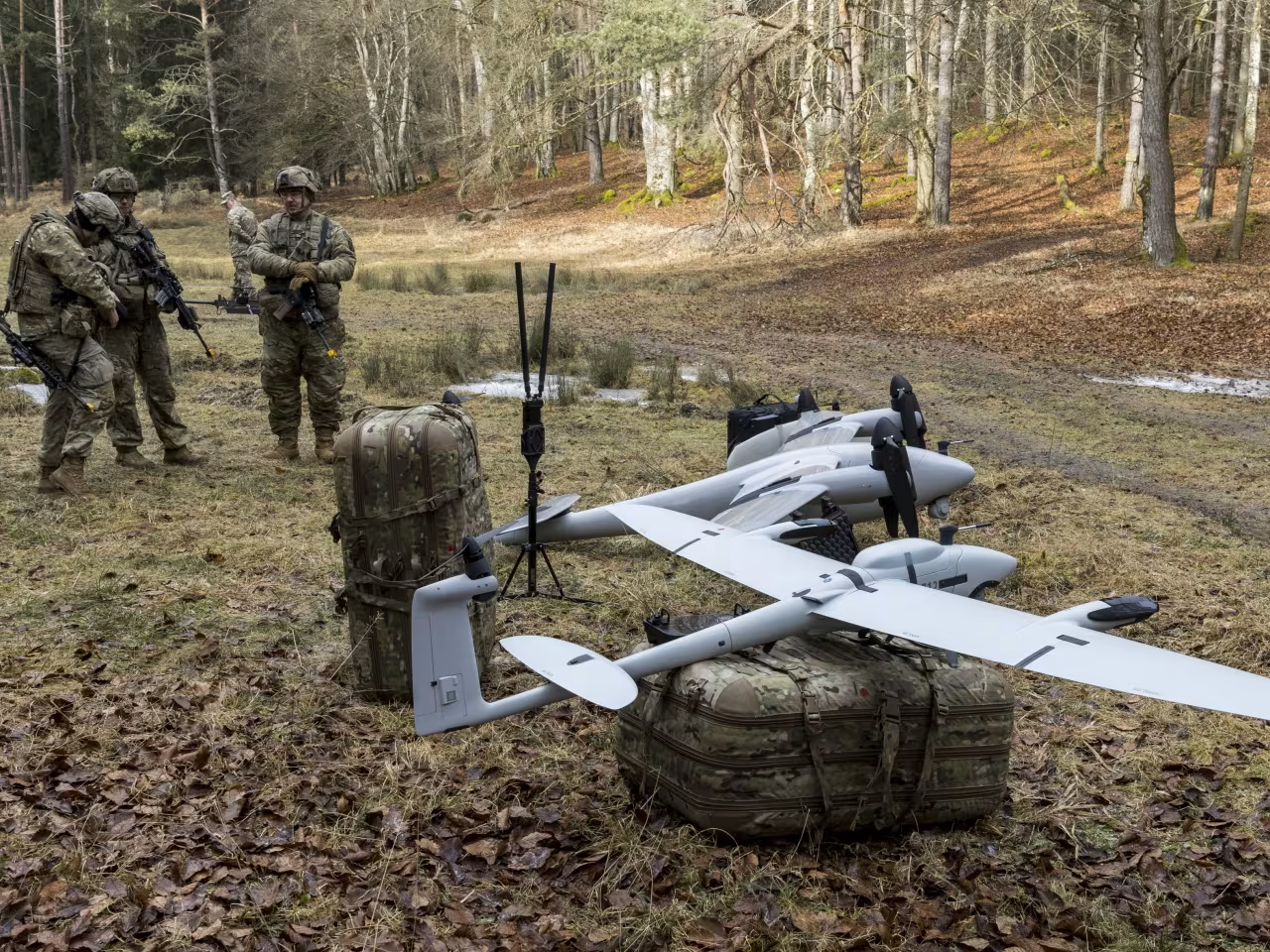
A significant portion of North America’s momentum stems from sustained investment by the U.S. Department of Defense (DoD) and NASA in advanced electronics and sensor technologies for military unmanned aerial vehicles (UAVs). These efforts are poised to transform avionics systems, enhancing operational capabilities and reliability. The DoD’s emphasis on strengthening national defense through UAV deployment has intensified demand for systems capable of high-precision surveillance and security operations. One notable example is the USD 15.4 million contract awarded to FLIR for its Black Hornet 3 personal reconnaissance systems, which are valued for their portability and situational awareness capabilities.
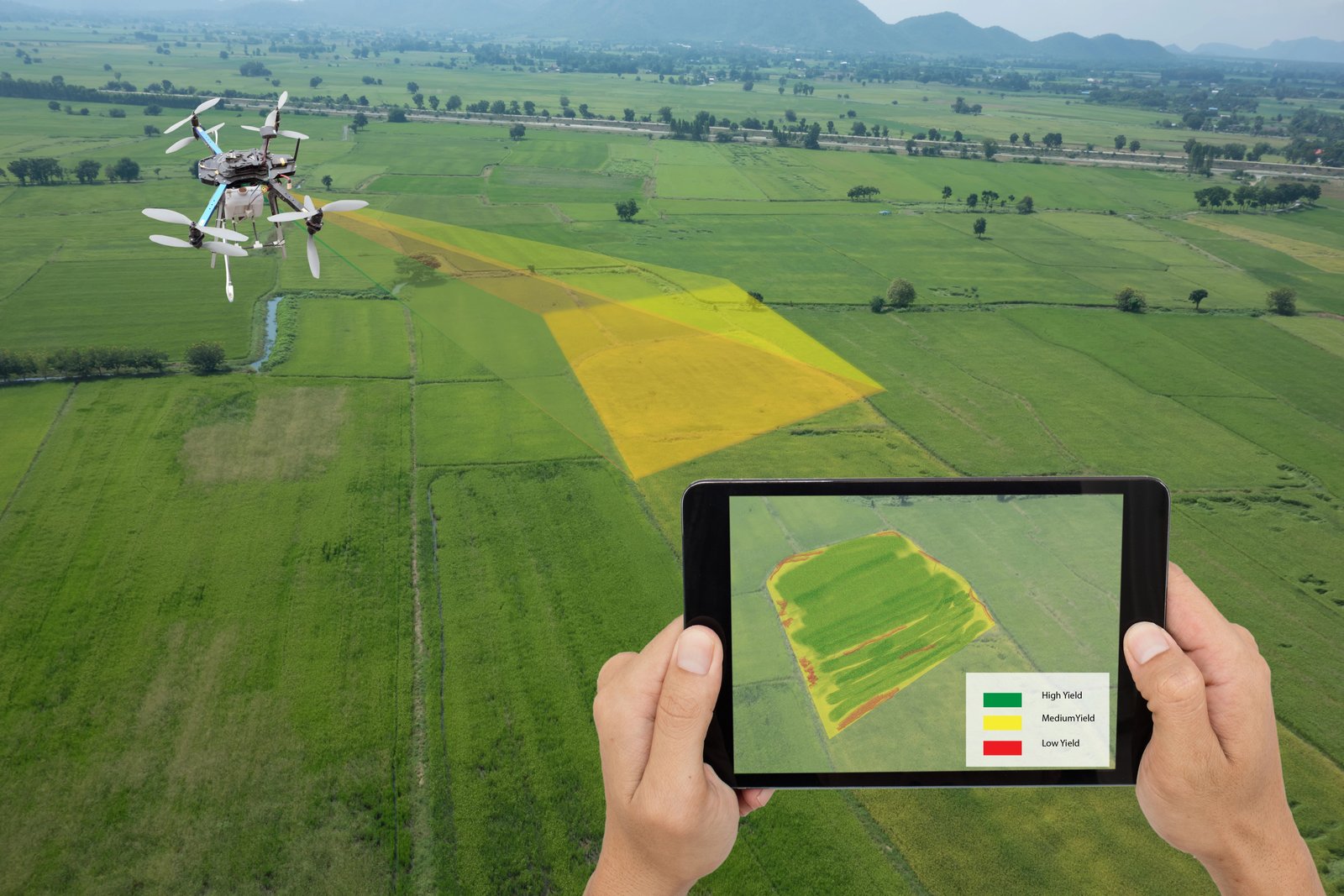
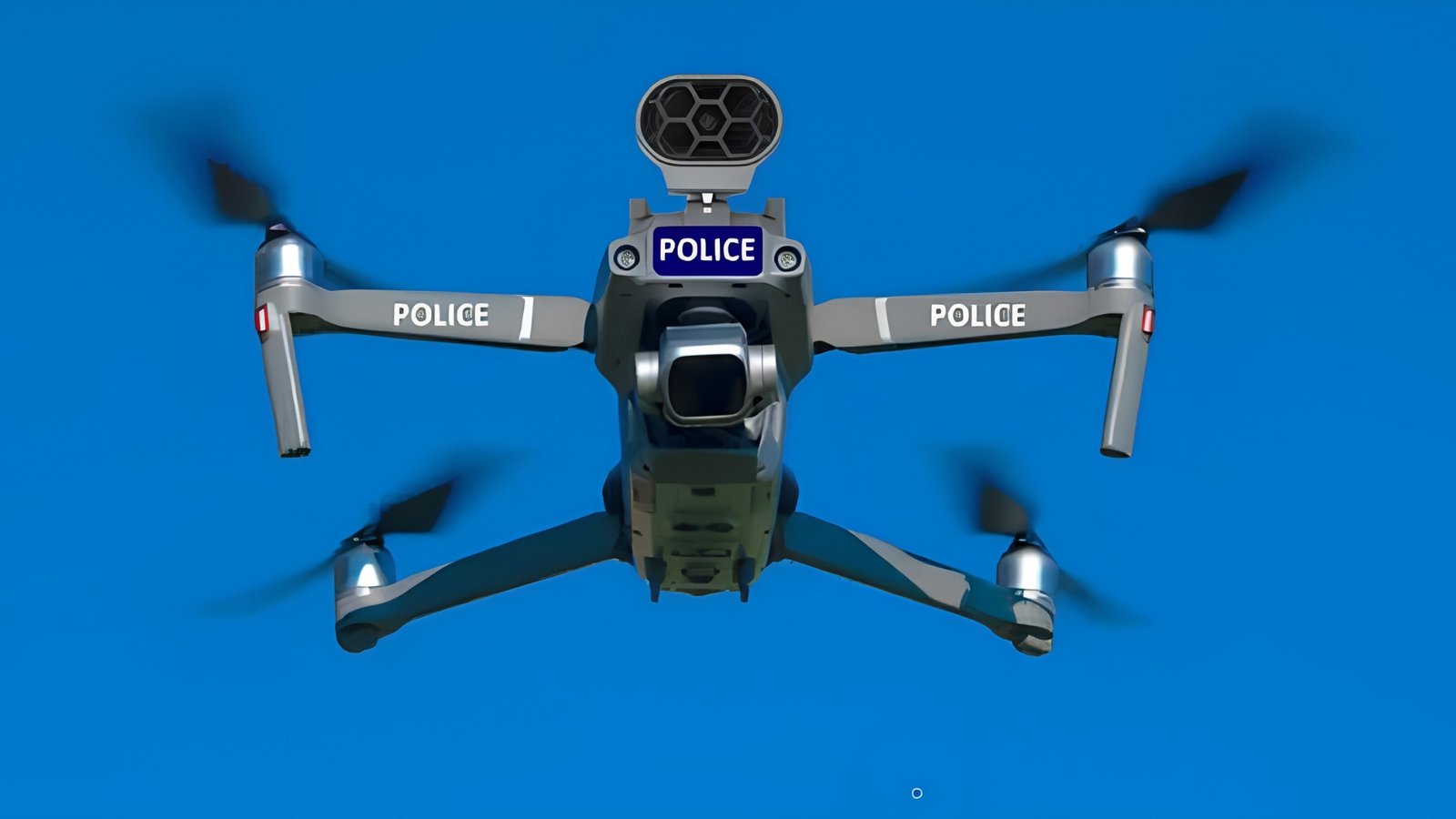
Beyond defense, technological advancements have broadened drone applications into sectors such as agriculture, construction, mapping, logistics, and public safety. In logistics, companies are actively trialing drone-based delivery models to improve efficiency. The collaboration between Zipline International Inc. and Walmart Inc., initiated in September 2020, introduced commercial drone delivery services in the U.S., demonstrating the potential for rapid goods transport compared to traditional road networks.
While opportunities abound, cybersecurity threats present a notable challenge to market growth. As drones become more integrated into critical operations, safeguarding data links, navigation systems, and onboard processing units from malicious interference is essential. The increasing connectivity of drone platforms heightens exposure to potential cyberattacks, making resilience and secure design a priority for manufacturers and operators.
Among emerging technological trends, the development of lithium-metal batteries stands out. These energy storage solutions promise higher energy density and longer endurance compared to conventional lithium-ion chemistries, enabling drones to operate over extended ranges or carry heavier payloads without compromising flight time. Such advances could significantly enhance both commercial and industrial UAV applications.
The competitive landscape is fragmented, with established vendors and new entrants vying for market share. Key industry players include Aeronavics, AeroTargets International LLC, AeroVironment Inc., Anadrone Systems Pvt. Ltd., Arc Sky LLC, Autel Robotics Co. Ltd., DELAIR SAS, Denel SOC Ltd., Draganfly Inc., Field Group AS, Geotech Environmental Equipment Inc., Guangzhou EHang Intelligent Technology Co. Ltd., iFlight Innovation Technology Ltd., Intel Corp., Parrot Drones SAS, Red Cat Holdings Inc., Skydio Inc., Teledyne Technologies Inc., The Boeing Co., and Yuneec International Co. Ltd. These companies leverage economies of scale, technological innovation, and strategic pricing to maintain competitive positions.
Market segmentation reveals that software and services accounted for the largest share in 2022 and are expected to maintain dominance through 2027. The growing demand for software solutions reflects the need for robust data validation, analytics, and operational integration. High manufacturing costs have prompted some vendors to pivot away from hardware production, focusing instead on technical platforms and software ecosystems compatible with existing drone fleets. This shift allows operators to maximize the utility of their hardware investments while benefiting from continuous software improvements.
End-user segments span infrastructure, media and entertainment, public safety, agriculture, and other specialized fields. Geographic coverage includes North America, Europe, Asia-Pacific, the Middle East and Africa, and South America, each with distinct regulatory environments and adoption rates. The interplay of technological innovation, regulatory adaptation, and evolving operational needs continues to define the trajectory of the commercial drone market.