

Starliner’s Cargo Mission Becomes Crucial Test for Propulsion Fixes
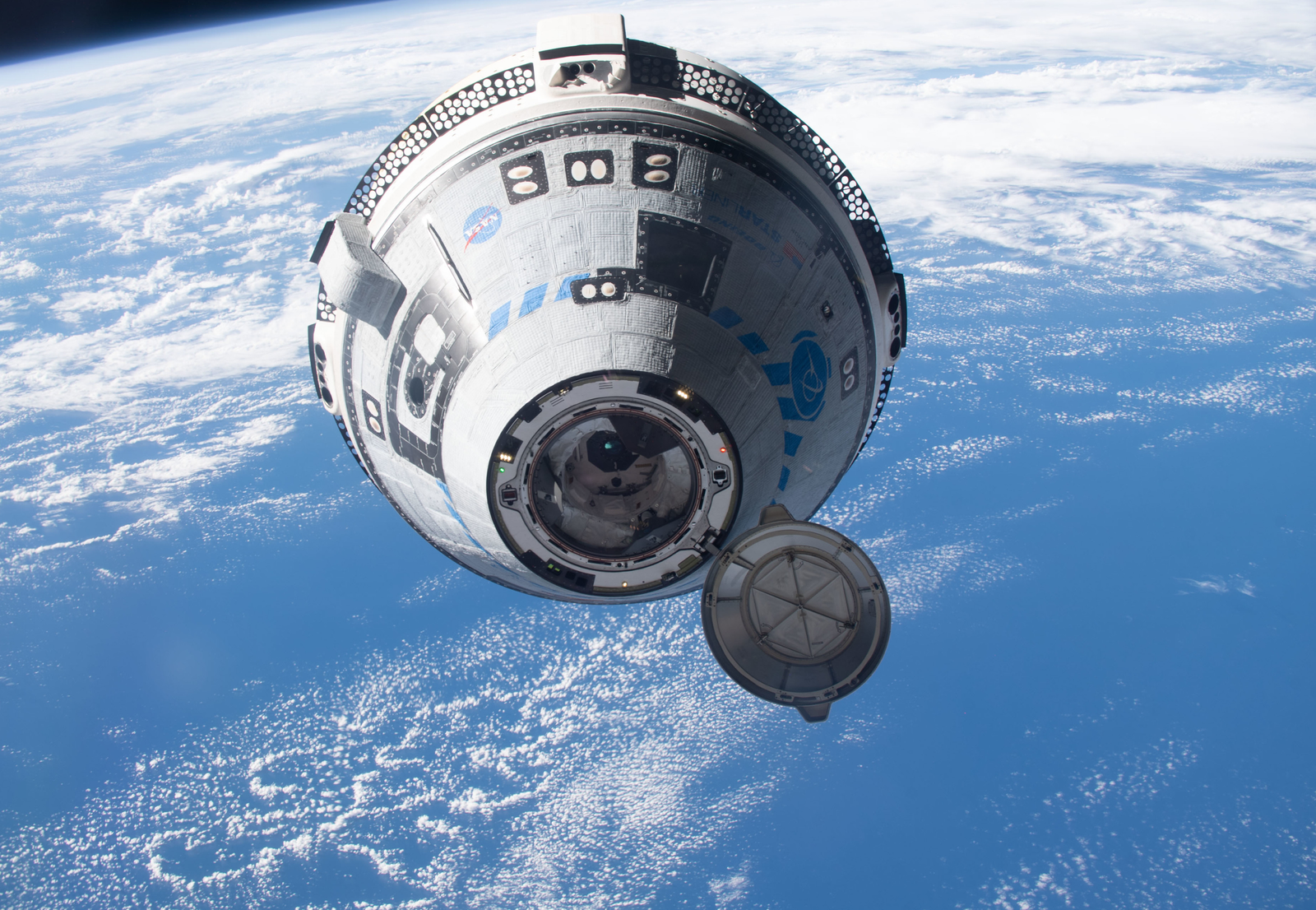
“This modification allows NASA and Boeing to focus on safely certifying the system in 2026” with this change, said NASA Commercial Crew Program manager Steve Stich. It indicates the consequences that the CST-100 Starliner of Boeing has as it switches between a failed crewed test flight and an uncrewed cargo mission a transition that reflects not only the technical urgency but also the strategic imperative.

In June 2024, Starliner was to be flown on a planned eight-day shakedown to the International Space Station, Crew Flight Test. Rather, subsequent chain reactions of propulsion malfunctions and numerous leakages made the spacecraft spend months in docking. Finally, NASA abandoned it in orbit without astronauts Butch Wilmore and Suni Williams aboard, which had been predetermined in risk management due to the multiple failures in the work of the thrusters and the leak rate was too high to consider the crewed reentry.
The main propulsion unit in the problem area is a complicated system: 28 reaction control system (RCS) thrusters, 20 orbital maneuvering and attitude control (OMAC) thrusters and four RS-88 launch abort motors. The fine maneuvering and docking adjustments are done by the RCS units which burn hypergolic propellants. Approach to the ISS had a failure in five RCS thrusters, four of which were restarted following resets, and the fifth could not be used. Tests in the ground at the NASA White Sands station reproduced the errors, showing that small Teflon seals in the propellant thruster valves had distorted during heat, limiting the flow of propellant.
Leaks of helium complicated the situation. The gas pressurizes the feed system propellees, and although the engineers had estimated that there was enough gas in reserve to make it back there was a risk of leaks coupled with failed thrusters which made the risk profile rise; this was beyond acceptable limits. One of the leaks was found to be caused by a rubber seal between the metal flange elements on one of the doghouses, a single assembly – a weakness which led NASA to seek various options to mitigate the effect in subsequent flights.
These propulsion anomalies are of an overall trend. Previous attempts in the show had not reached the ISS in 2019, when Starliner failed on an orbital flight test because its software had inadvertently set off untimely alarms, and later delays were caused by corroded oxidizer valves, the strength of parachute links, and flammable tape on wiring harnesses. A third-party auditing panel defined “process escapes” in the software design and checking at Boeing and encouraged systemic corrective measures. NASA Aerospace Safety Advisory Panel has warned severally on the gaps in integrated testing.
In comparison, the Crew Dragon of SpaceX, its combined trunk and capsule version, has had 11 successful crew flights since 2020 without significant propulsion issues. The reusable nature of Dragon enables inspection of all the systems post flight, something not possible in Starliner whose expendable service module burns up during reentry.
The next Starliner-1 flight, scheduled to take place in April 2026 will be unmanned and will be devoted to cargo delivery and testing in-orbit capacity of redesigned thrusters and redesigned helium piping. NASA and Boeing are undertaking massive ground tests such as thermal cycling and leakage tests to make sure that the fixes are viable in the conditions of operation. Crew rotation flights, which were delayed to the latest possible date of 2026, would become possible with success.
Tactically, NASA aims at achieving “dissimilar redundancy” in crew transport in order not to depend only on Crew Dragon or Russian Soyuz. Starliner has limited potential to serve the station in its final years because ISS is planned to retire in 2030 and the station only has two crew launches per year. Additional delays would put SpaceX as the sole supplier in the United States to carry the rest of the ISS program.
Since 2016, Boeing has taken in excess of $2 billion in losses in the fixed-price contract, and the latest reduction in the scope diminished the value of the contract to $3.732 billion. In the case of NASA, certifying Starliner does not just concern adhering to the contractual milestones but rather retaining the United States of America access to low Earth orbit in an independent manner. The cargo mission hence is not just a logistics mission but a high stakes engineering mission the success of which will see Starliner become a viable second to Crew Dragon or it will serve as a warning in spacecraft development.