

2020’s Milestones Propel Space Exploration Forward
In a year marked by global disruption, space exploration delivered a series of achievements that underscored both technological resilience and international ambition. Despite the operational challenges posed by the coronavirus pandemic, multiple high-profile missions advanced without significant delay, offering a rare source of optimism.

Three nations—United States, China, and the United Arab Emirates—launched spacecraft toward Mars in 2020. NASA’s Perseverance rover, engineered to collect and cache Martian soil samples for eventual return to Earth, is scheduled to touch down on February 18. The UAE’s Hope probe, its first interplanetary mission, will focus on atmospheric dynamics, providing valuable climatological data. China’s Tianwen-1, a combined orbiter, lander, and rover, aims to investigate geological features and search for signs of ancient life.
China also extended its lunar program, achieving a complex sample-return mission in December. The Chang’e 5 spacecraft successfully landed, collected regolith, and launched from the Moon’s surface, returning the first lunar samples since the 1970s. Japan’s Hayabusa2 mission delivered fragments from asteroid Ryugu, a precision feat of autonomous navigation and sampling. NASA’s OSIRIS-REx, operating at asteroid Bennu, executed a touch-and-go maneuver in October, securing material for return in 2023.
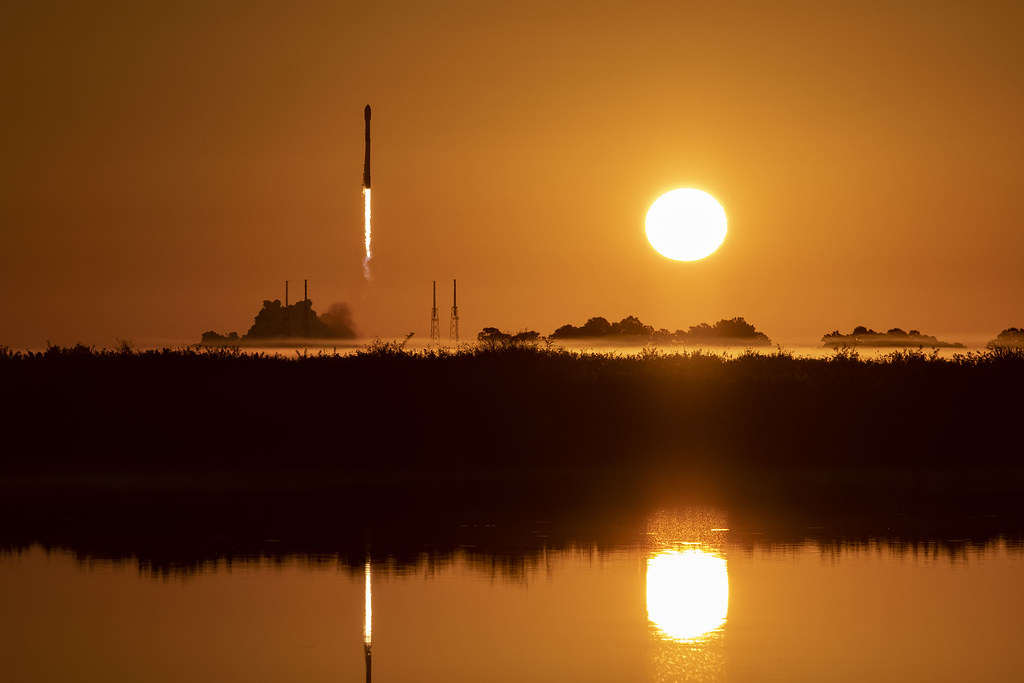
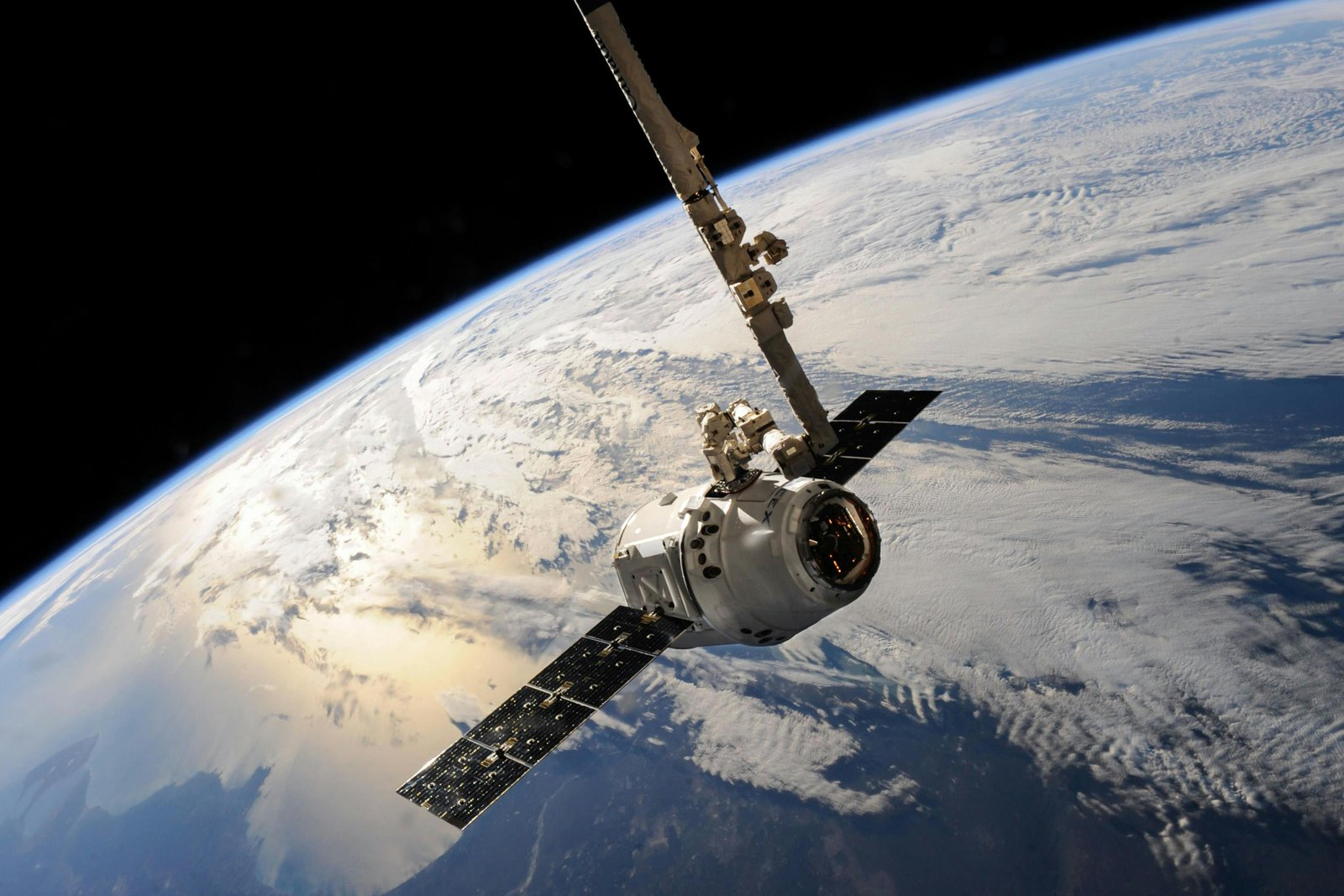
Commercial spaceflight also reached historic milestones. In May, SpaceX became the first private company to send humans into orbit—a distinction previously held only by the United States, Russia, and China. The Crew Dragon spacecraft carried two astronauts to the International Space Station (ISS), ending a near-decade reliance on Russia’s Soyuz vehicles. In November, four more astronauts traveled aboard Crew Dragon to the ISS, followed by SpaceX’s largest cargo delivery to date for NASA. Senator Mark Kelly remarked that these events were something “Americans should be proud of.”
SpaceX concluded the year with a high-altitude test flight of its Starship prototype, designed for deep-space missions to the Moon and Mars. The December 9 landing ended in an explosion, yet Elon Musk expressed satisfaction with the progress. The company is also broadening its crewed flight portfolio; in partnership with Houston-based Axiom Space, it plans the first privately funded Dragon mission to the ISS. Former NASA astronaut Michael Lopez-Alegria will command the flight alongside Israeli entrepreneur Eytan Stibbe and two other private participants. Lopez-Alegria stated, “This is the true beginning of private spaceflight and will get the ball rolling toward multiple private missions to orbit per year.”
Other commercial ventures are advancing toward suborbital tourism. Blue Origin, led by Jeff Bezos, and Virgin Galactic, founded by Richard Branson, continue test campaigns for brief flights to the edge of space, though no firm passenger launch dates have been announced.
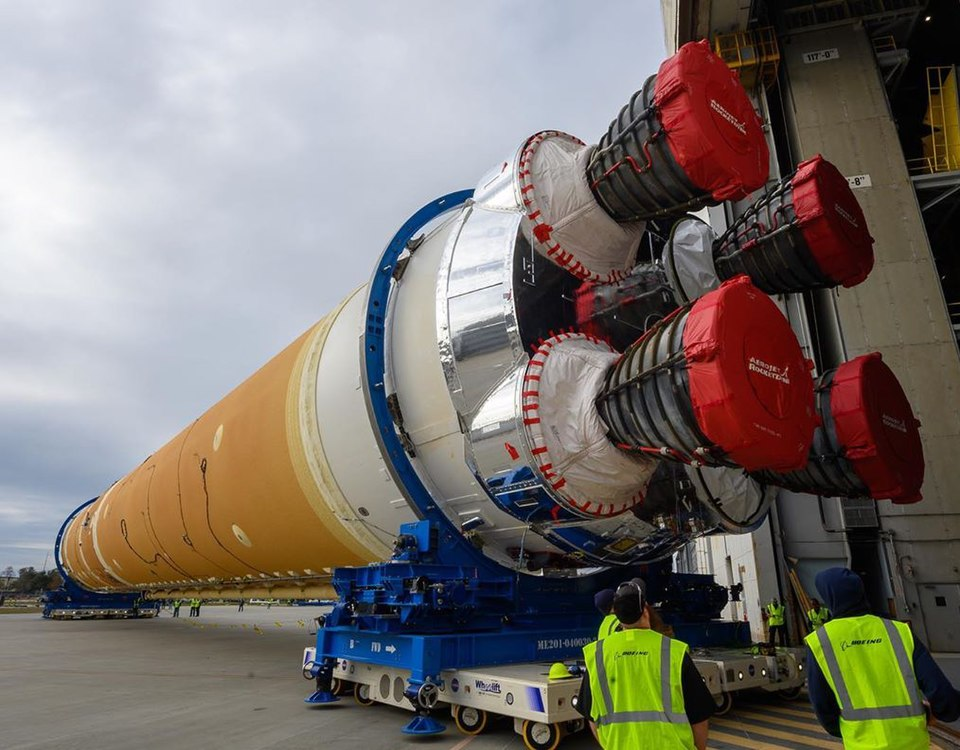
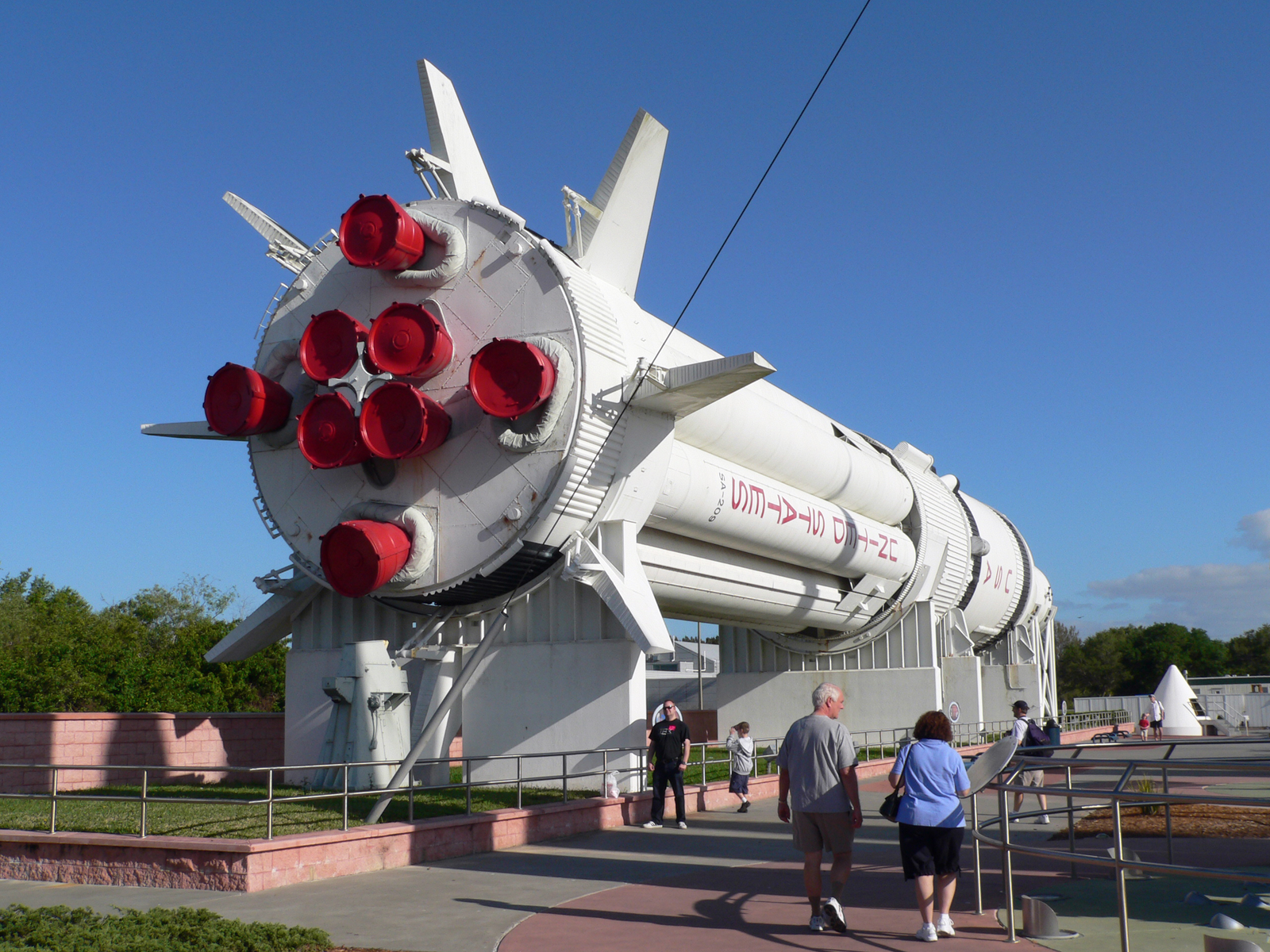
On the policy front, the United States reaffirmed its lunar ambitions. President Donald Trump called for a crewed Moon landing by 2024, which would mark the first since Apollo 17 in 1972. NASA introduced 18 astronauts in December to train for the Artemis program, which is intended to establish a sustainable human presence on the lunar surface. John Logsdon of George Washington University’s Space Policy Institute observed that the preceding four years “have been positive for the U.S. civilian space program,” noting that “No…major programs were cancelled, the human exploration program was given clear direction, and funding for existing programs was increased.”
Looking ahead, 2021 is set to bring significant developments: multiple Mars landings, the anticipated launch of the James Webb Space Telescope to succeed Hubble, and further expansion of commercial crewed missions. Scott Hubbard, former NASA Mars program director and now a Stanford University professor, summarized the outlook: “2021 promises to be as much of a space exploration bright spot, perhaps even more.”