

Hyundai Accelerates Hydrogen and EV Production Plans
Hyundai Motor Co., headquartered in South Korea, is making a decisive move to expand its hydrogen fuel cell and electric vehicle output in 2021. The automaker has set a target of producing approximately 17,000 hydrogen fuel cell electric vehicles (FCEVs) this year—triple the volume of the previous year—driven by rising domestic and international interest in hydrogen-powered mobility.
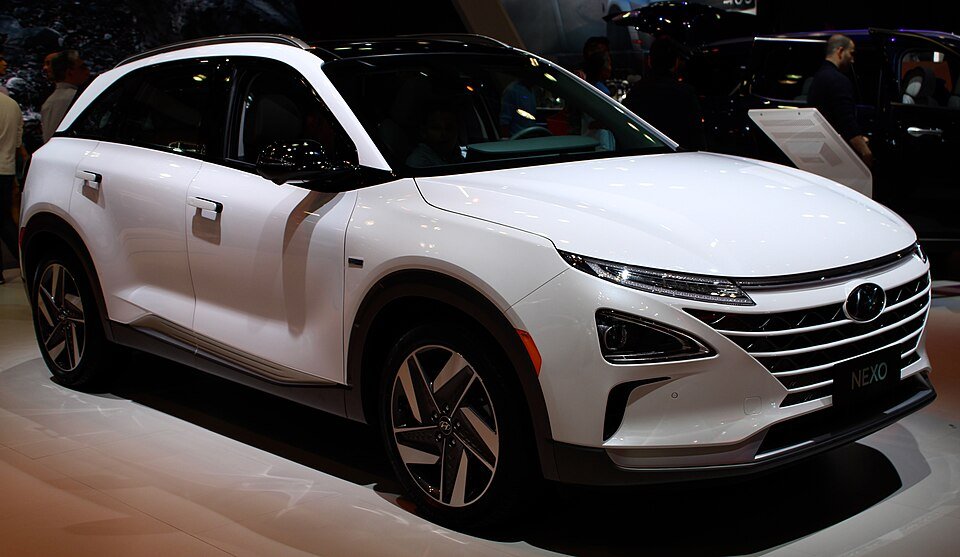
Central to this effort is the Nexo, Hyundai’s FCEV sport utility vehicle, assembled at Ulsan Plant 5. Monthly production of the Nexo is being increased from 800 units to 1,500 units. Annual domestic output is projected to jump from 5,500 units to 15,000 units, while exports are expected to grow from 900 to 2,600 units. Since its launch in March 2018, the Nexo has shown steady growth, with sales rising from 727 units in its debut year to 5,786 units in 2020. By October 2020, cumulative sales surpassed 10,000 units. Industry analysts note that Hyundai could sell in a single year what previously took three years to achieve.
The surge in demand is attributed to expanding hydrogen refueling infrastructure and positive consumer feedback. Word-of-mouth promotion has played a notable role in boosting the Nexo’s profile, particularly among early adopters and technology enthusiasts who value the vehicle’s zero-emission operation and quick refueling times compared to battery-electric alternatives.
Hyundai is also preparing to broaden its hydrogen portfolio beyond passenger vehicles. In August, the company will commence mass production of fuel cell electric trucks, positioning them as a strategic growth driver. The XCIENT fuel cell truck, already in limited deployment, saw about 50 units shipped to Switzerland last year. This move aligns with broader industry efforts to decarbonize heavy-duty transport, where hydrogen fuel cells offer advantages in range and payload capacity over battery systems.
Parallel to its hydrogen initiatives, Hyundai is ramping up production of other eco-friendly models. The automaker plans to manufacture around 168,000 electric and fuel cell vehicles from domestic plants in 2021, doubling the previous year’s output. Nearly half of this volume is expected to come from the IONIQ 5, Hyundai’s latest battery-electric model built on the Electric-Global Modular Platform (E-GMP). This platform, designed for scalability, enables optimized weight distribution, improved cabin space, and high-voltage charging capabilities.
Hybrid vehicle production is also set to rise, from 150,000 units in 2020 to 220,000 units this year. The diversification of Hyundai’s electrified lineup underscores the company’s multi-path approach to reducing emissions, leveraging both battery and hydrogen technologies.
In the premium segment, Hyundai’s Genesis brand will introduce several electric models. Next month, production will begin on the electric version of the GV80 SUV, with an annual target of 2,300 units. In August, the company will start building around 1,000 units of the GV60, the first Genesis EV to utilize the E-GMP architecture. According to an automobile industry official, “One out of every 10 vehicles manufactured at Hyundai Motor’s domestic plants will be an electric vehicle this year.” The official added, “Next year, the company’s EV production may increase to around 30% once the Genesis EVs are officially sold on the market and IONIQ 6 is added to the portfolio.”
Hyundai’s production expansion reflects a broader trend in the automotive sector toward electrification and alternative energy drivetrains. By scaling both hydrogen fuel cell and battery-electric technologies, the company is positioning itself to meet diverse market demands, from long-haul freight to urban commuting. For engineers and enthusiasts, these developments highlight the complex interplay of infrastructure readiness, consumer adoption, and manufacturing capability in shaping the future of mobility.