


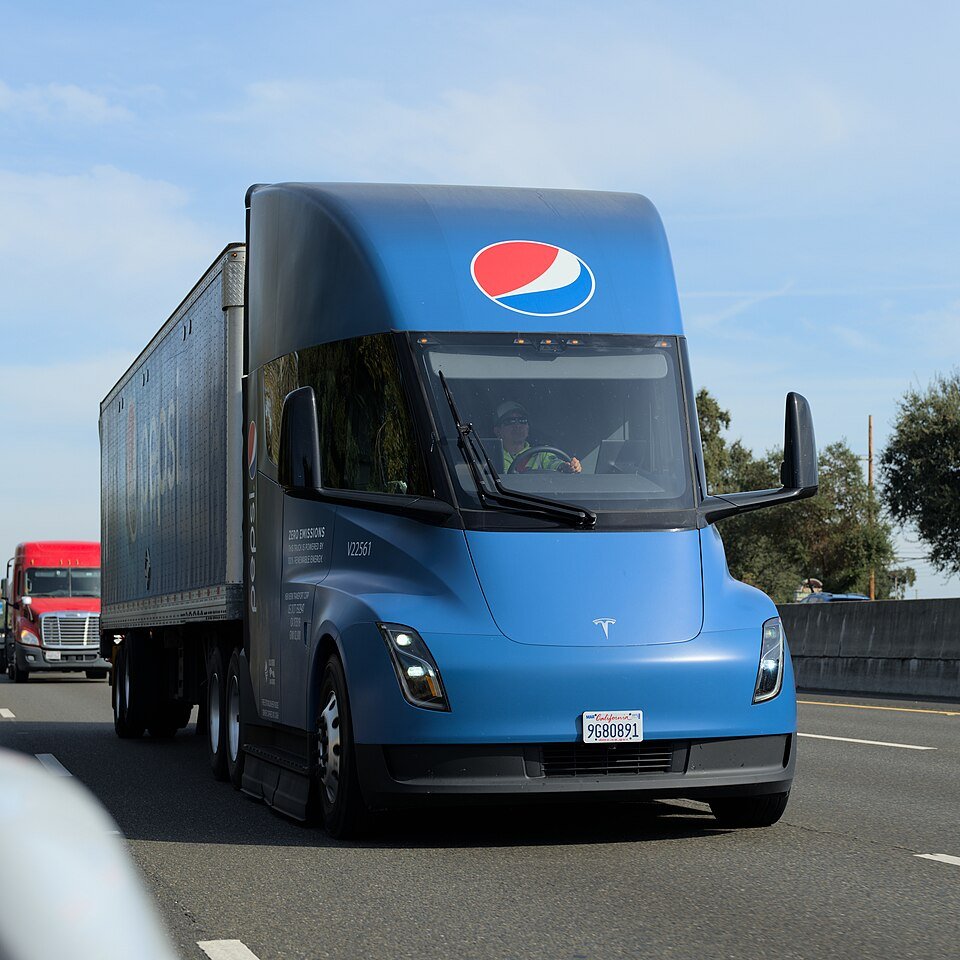
Study Finds Hydrogen Trucks Losing Ground to Battery-Electric
A peer-reviewed study in *Nature* has reinforced a trend already visible in the automotive sector: hydrogen fuel cell vehicles are unlikely to overtake battery-electric vehicles, even in the commercial trucking segment where some believed they might still compete. The research, led by Patrick Plötz of the Fraunhofer Institute for Systems and Innovation Research ISI in Karlsruhe, Germany, concludes that “technical and economic developments in battery and fast-charging technologies could soon make fuel cell electric vehicles, which run on hydrogen, superfluous in road transport.”
For passenger cars, the market verdict has been clear for years. Flagship hydrogen models such as Toyota’s Mirai and Hyundai’s Nexo have struggled to achieve meaningful adoption despite substantial investment. The fundamental issue is efficiency: from energy production to wheel output, the full cycle of a fuel cell vehicle consumes roughly three times more energy than a comparable battery-electric vehicle. This efficiency gap is compounded by infrastructure realities. While both technologies require new investment, BEVs can leverage the existing electrical grid. Every outlet is a potential charging point, and the expansion of high-power charging stations—though challenging—remains far simpler than building a global hydrogen production, transport, storage, and dispensing network. Moreover, most BEV owners charge at home overnight, an option unavailable to hydrogen vehicle users.
The trucking sector had been viewed as a potential stronghold for fuel cells, particularly for long-haul operations averaging 100,000 kilometers per year and for transporting heavy goods with high energy demands per kilometer. Hydrogen advocates argued that the faster refueling times and lighter onboard energy storage could offset the efficiency disadvantage. Several truck manufacturers, in partnership with fuel cell and infrastructure providers, have announced a target of 100,000 fuel cell trucks on European roads by 2030.
Plötz’s analysis casts doubt on that goal. He notes that “this seems very unlikely when contrasted with announcements from the companies about the earliest start date for the production of commercial series fuel cell electric trucks being in 2027.” By that time, he argues, second-generation battery-electric trucks will already be in service, benefiting from improved range, reduced charging times, and lower operating costs.
Some companies have attempted to accelerate the hydrogen timeline. Nikola Motors, for example, has claimed it would deliver production fuel cell trucks as early as 2023–2024. Yet its own trajectory illustrates the shifting landscape: originally focused on natural gas, Nikola pivoted to hydrogen fuel cells, then to a mix of fuel cell and battery-electric platforms. Today, its first market-ready truck is battery-electric, arriving years ahead of its fuel cell offerings.
Advancements in battery chemistry, thermal management, and high-voltage architectures are enabling heavy-duty BEVs to tackle routes once considered beyond their reach. The emerging megawatt charging standard promises to slash charging times for large trucks, narrowing one of hydrogen’s few remaining advantages. With each generation, battery systems are delivering higher specific energy, longer cycle life, and improved cold-weather performance—critical factors for freight operators.
The study’s findings resonate with broader industry trends. In aerospace and other transport sectors, hydrogen retains niche appeal where extreme range or energy density is paramount, and where refueling infrastructure can be centralized. However, for road transport, the convergence of battery cost reductions, efficiency gains, and charging infrastructure build-out is steadily eroding the rationale for fuel cell deployment.
As Plötz’s work underscores, the competition is not merely about technology maturity but about synchronized ecosystems. BEVs benefit from a virtuous cycle: growing adoption drives infrastructure investment, which in turn lowers barriers for new users. Hydrogen, by contrast, faces the challenge of building its ecosystem from scratch, with high capital costs and uncertain demand. In the commercial trucking arena, where total cost of ownership dictates fleet decisions, these dynamics are proving decisive.