


Geopolymer 3D Printing Paves the Way for Greener Construction
The construction industry accounts for nearly 13% of global GDP and employs over 100 million people worldwide. Yet, rising labor costs, limited automation, and slow adoption of new technologies have hindered productivity gains. With the advent of Industry 4.0, digital tools such as IoT, AI, building information modeling, modular integrated construction, and additive manufacturing have begun reshaping the sector. Among these, 3D printing—also known as additive manufacturing (AM)—has gained traction for its ability to reduce build times, require less skilled labor, enable complex geometries, and minimize strenuous manual work.
Originally developed in the 1980s for polymer fabrication via stereolithography, AM now encompasses diverse processes including material extrusion, powder bed fusion, vat photopolymerization, and sheet lamination. In construction, two main AM categories dominate: powder-based printing and extrusion-based printing. Powder-based systems produce cementitious layers by injecting a liquid binder into a powder bed, allowing intricate forms such as arches, vaults, and cantilevers, with resolutions up to 0.1 mm. These are typically used offsite for prefabricated elements. Extrusion-based systems, analogous to fused deposition modeling, deposit fresh cementitious paste layer by layer, enabling both onsite and offsite builds of complex components. Technologies such as contour crafting have expanded the range of printable cementitious materials.
However, the most common binder—ordinary Portland cement (OPC)—poses significant environmental challenges. Its production is energy-intensive, requiring the mining of 1.5 tons of limestone per ton of cement, and releasing about 0.5 ton of CO? in the process. OPC manufacturing contributes 5–7% of total global greenhouse gas emissions, ranking as the fourth-largest industrial source after petroleum, coal, and natural gas. This environmental burden has driven research into greener alternatives.
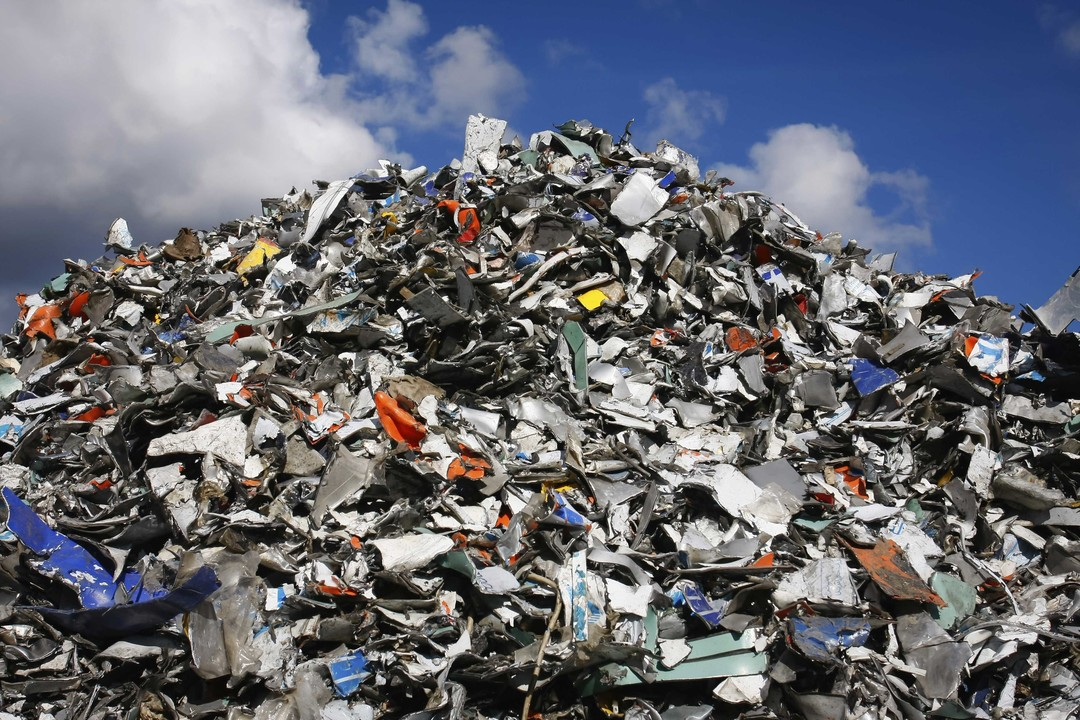
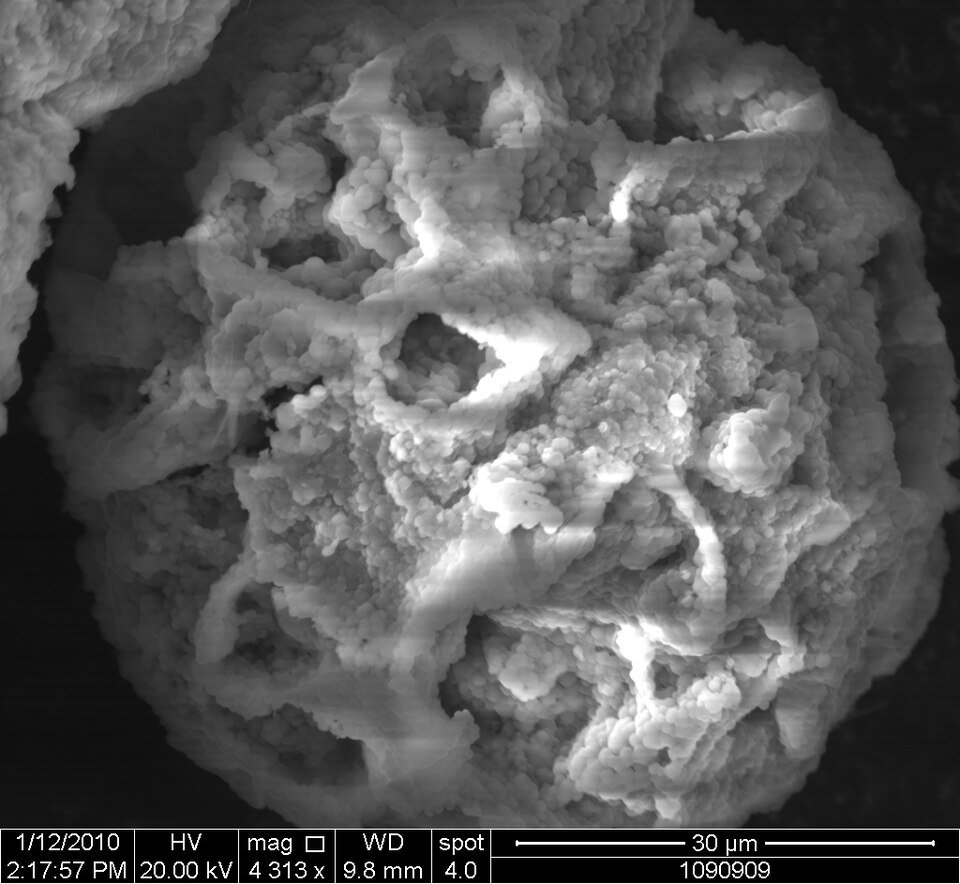
Geopolymers have emerged as a promising substitute. Synthesized from industrial byproducts such as fly ash from coal-fired plants, silica fume from silicon alloy production, and ground granulated blast furnace slag from steelmaking, geopolymers require significantly less energy to produce and emit far less CO?. Chemically, they are inorganic polymers formed by reacting aluminosilicate precursors with alkaline reagents, creating a three-dimensional silico-aluminate network. Their properties—rheological, mechanical, and structural—can be tuned by adjusting precursor type, reagent composition, and processing conditions.
Australia has led in applying geopolymers to real-world construction, with early work by Xia and Sanjayan demonstrating powder-based 3D printing of geopolymer materials. Subsequent research has extended to large-scale extrusion printing, offering what Yao et al. described as “dual-dimensional sustainability”: reducing formwork and waste through additive manufacturing while replacing OPC to cut carbon footprints.
The environmental stakes are high. The construction sector is responsible for 40% of global energy consumption, 40% of solid waste generation, 38% of greenhouse gas emissions, 12% of water depletion, and 8% of anthropogenic CO? emissions. OPC alone accounts for 7% of global GHG output. Integrating geopolymers into 3D printing could mitigate these impacts while enabling innovative architectural and structural solutions.
Despite progress, challenges remain. The interdependence of material formulation, printing hardware, and design means that optimizing one aspect in isolation is insufficient. As Panda et al. noted, “Optimization of the 3D printing process needs simultaneous optimization of all interrelated terms rather than optimizing them individually.” Issues such as integrating conventional steel reinforcement into printed structures, ensuring consistent material flow, and achieving reliable interlayer bonding must be addressed.
A sustainable roadmap for additive manufacturing in construction calls for cleaner production practices that meet environmental, economic, and social sustainability criteria. This involves refining geopolymer mix designs for printability and mechanical performance, developing robust AM systems tailored to these materials, and scaling up from laboratory trials to industrial deployment. With coordinated advances in materials science, mechanical engineering, and digital fabrication, geopolymer-based 3D printing could transition from niche demonstrations to a mainstream construction method capable of reshaping the industry’s environmental footprint.