



Engineering Urban Food Systems for a Circular Future
Launched at the World Economic Forum Annual Meeting in Davos in 2019, the “Cities and Circular Economy for Food” initiative set out a bold vision for reshaping the way urban populations source, consume, and manage food. With analytical support from SYSTEMIQ, the research frames a regenerative food system grounded in circular economy principles—where production actively restores ecosystems and ensures access to nutritious food for all. The urgency is clear: by 2050, 80% of all food will be consumed in cities, placing them at the forefront of systemic change.
The report identifies three ambitions essential to this transformation. First, sourcing food grown regeneratively, and locally where feasible, to reduce environmental impact and strengthen regional supply chains. Regenerative agriculture, with its focus on soil health, biodiversity, and carbon sequestration, aligns with engineering principles of sustainable resource management, much like closed-loop systems in aerospace or advanced manufacturing. Second, maximizing the utility of food by making effective use of by-products and preventing waste. This ambition mirrors industrial processes where waste streams are repurposed—akin to reusing composite offcuts in aircraft production or recycling battery materials in electric vehicles. Third, designing and marketing healthier food, which involves not only nutritional improvements but also rethinking packaging, distribution, and consumer engagement to support long-term well-being.
Pursued together, these ambitions could yield transformative results. By 2050, the report projects annual benefits worth USD 2.7 trillion. Environmental gains include a reduction in greenhouse gas emissions of 4.3 billion tonnes CO? equivalents, alongside a USD 550 billion decrease in health costs linked to pesticide use. Economic opportunities are equally compelling: cities could save USD 700 billion by reducing edible food waste and optimizing the use of food by-products. For engineers, these figures underscore the scale of potential efficiency gains, akin to optimizing propulsion systems or streamlining robotics assembly lines.
Achieving such outcomes demands unprecedented collaboration across the value chain. The report emphasizes connecting flagship city demonstration projects with the scaling capabilities of global businesses and collaboration platforms. This is reminiscent of how aerospace innovation often begins with prototype testing in controlled environments before scaling to commercial fleets, or how autonomous vehicle technology moves from pilot programs to widespread deployment.
The circular economy framework applied to food systems resonates strongly with engineering disciplines. It treats biological resources with the same rigor applied to material flows in manufacturing—tracking inputs, outputs, and feedback loops to minimize waste and maximize utility. In regenerative agriculture, for example, nutrient cycles are engineered to be self-sustaining, much like regenerative braking systems in electric transport that recover energy instead of dissipating it.
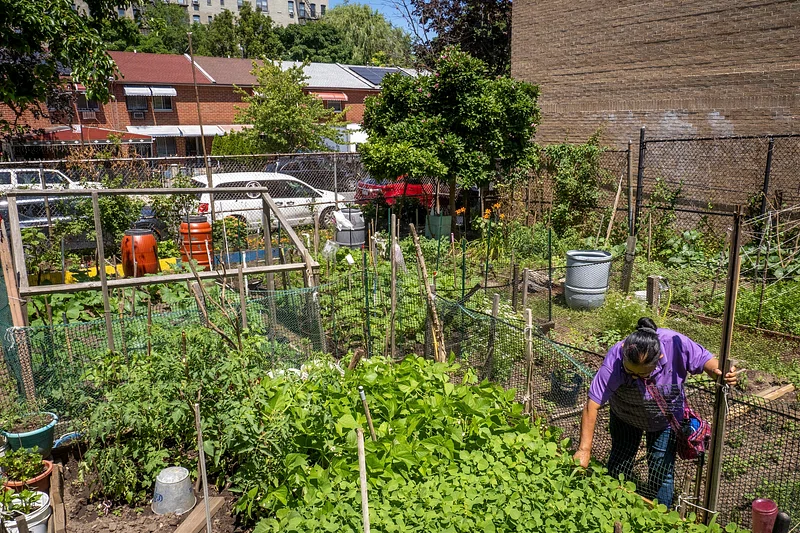
Urban environments offer unique opportunities for integration. Vertical farming technologies, precision agriculture, and sensor-driven logistics can be embedded into city infrastructure, enabling local production that reduces transport emissions and ensures freshness. Waste-to-energy systems, already used in some industrial contexts, can be adapted to process organic waste from urban food systems, closing the loop between consumption and production.
The ethical dimension is equally significant. By prioritizing health, environmental restoration, and equitable access, the approach aligns with engineering ethics that value safety, sustainability, and societal benefit. The report’s vision calls for systemic design thinking—considering not just the efficiency of individual components, but the resilience and adaptability of the entire system over decades.
As cities prepare for a future where their role in food consumption is dominant, the engineering challenge lies in designing systems that are both technologically advanced and ecologically restorative. The pathway outlined in the Davos report is not merely about incremental improvements; it is about reconfiguring the architecture of urban food networks so that they function as regenerative engines, delivering measurable benefits to the environment, public health, and the economy.