

Artemis Program Advances Toward Historic Lunar Missions
The Artemis Program represents NASA’s next major step in human exploration, designed to establish a sustained presence on the Moon and pave the way for crewed missions to Mars. Kristin Morgan, Programmatic Operations Manager for the Space Launch System (SLS) Liquid Engines Office at NASA’s Marshall Space Flight Center, described Artemis as a four-phase effort: initial lunar access with SLS and Orion, establishment of the Gateway outpost for cislunar operations, expanded surface activities to gain operational experience, and ultimately a lunar base camp.

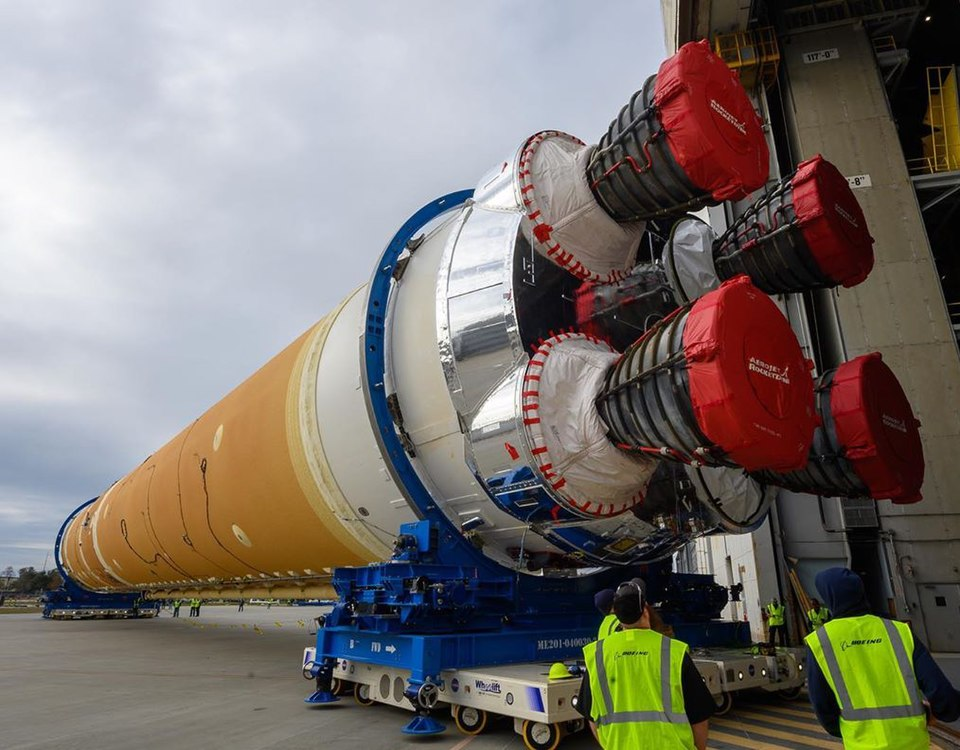
In 2021, Artemis achieved significant milestones. The year began with the Green Run hot fire test series at Stennis Space Center, culminating in March with a full-duration hot fire of the Artemis I core stage. By late April, the vehicle was transported to Kennedy Space Center, where teams conducted integrated testing, including the Umbilical Release and Retraction Test and mobile launcher evaluations. On October 22, the vehicle was fully stacked in the Vehicle Assembly Building, marking readiness for the next phase.
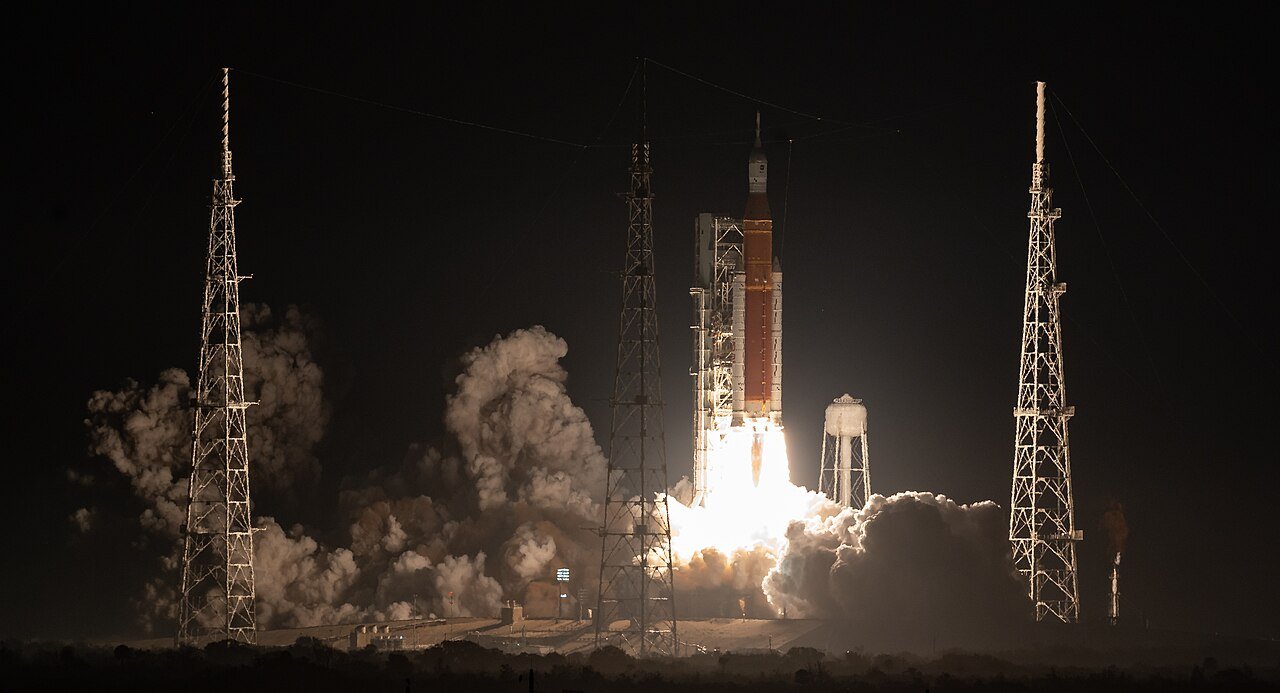
Morgan emphasized that 2022 would be defined by the launch of Artemis I, the first uncrewed flight of the integrated SLS-Orion system. This mission will execute a series of lunar orbits, test critical systems, and evaluate the Orion heat shield during reentry. Preparations for Artemis II and Artemis III are already underway, with work spanning boosters, engines, tanks, and ground systems to maintain schedule.
Within the Liquid Engines Office, Morgan oversees delivery of RS-25 core stage engines and RL10 upper stage engines, working closely with procurement, budgeting, and Aerojet Rocketdyne to ensure resources meet production needs. She also leads affordability initiatives, applying cost-benefit analyses to streamline processes. Her career shifted from hands-on materials engineering on Shuttle and Ares programs to project management, a transition she described as rewarding for its broader perspective and emphasis on communication, negotiation, and integration across teams.
Among the lessons Morgan shared for NASA’s technical workforce, she highlighted the importance of assuming positive intent when collaborating on complex projects. Recognizing that colleagues are motivated by a shared commitment to mission success can help resolve disagreements and uncover underlying concerns.
Artemis has faced formidable challenges, particularly in producing RS-25 engines after decades without new builds. Sixteen engines from the Shuttle program supported initial flights, but future missions require new production. Reestablishing manufacturing meant overcoming the loss of suppliers, tooling, and certain alloys, forcing engineers to relearn and adapt processes. These first-time-through issues extend across major systems, reflecting the inherent difficulty of developing a new launch vehicle.
Looking ahead, Morgan identified workforce retention and succession planning as critical. Sustaining missions over decades demands a balanced mix of skills, experience, and perspectives. The potential retirement of seasoned engineers after Artemis I underscores the need to transfer knowledge to the next generation, ensuring continuity in building, assembling, launching, and analyzing mission hardware.
One aspect of Artemis that Morgan believes deserves more attention is its secondary payloads. While the primary objective of Artemis I is to validate the SLS-Orion system, the mission will also carry ten competitively selected 6U CubeSats. These compact experiments will conduct diverse investigations, from mapping lunar resources and assessing radiation to exploring asteroids. NEA Scout will deploy a solar sail to study near-Earth asteroids, while BioSentinel will send yeast into deep space to examine DNA damage and repair under cosmic radiation, comparing results with a similar experiment aboard the International Space Station. Such payloads enrich Artemis by gathering data critical to future lunar and Mars missions.
Each Artemis flight offers opportunities to advance both exploration and science. By integrating robust engineering objectives with innovative research, the program is building the foundation for humanity’s next era beyond Earth.