

Commercial Tech Driving the New Drone Warfare Era
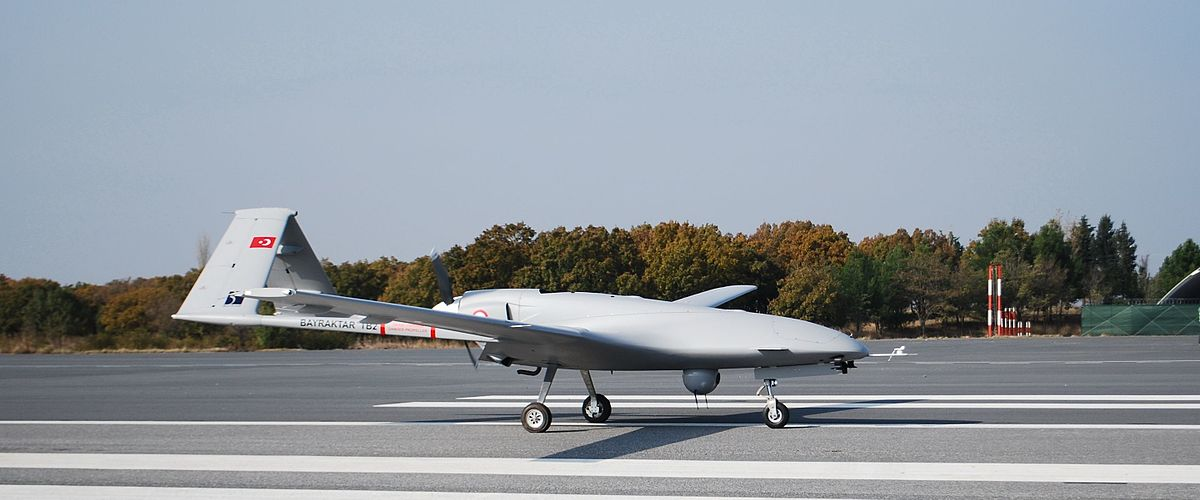
In late September 2020, footage from the Second Nagorno-Karabakh War began circulating widely online, offering an unfiltered view into a changing battlefield. One particular video, tinted in blue, showed a radar dish spinning beneath cyan crosshairs. Moments later, the dish vanished in a plume of smoke. The sequence repeated, this time targeting a vehicle-mounted sensor, its protective earthworks proving useless against the precision of aerial attack. The crater left behind underscored the destructive efficiency of the strike. This was the work of the Bayraktar TB2.

The TB2’s role in that conflict marked a turning point in how military drones are perceived and deployed. Developed by Baykar in Turkey, the TB2 filled a gap in the global arms market left by the United States’ refusal to export its Predator-series drones. To circumvent restrictions on advanced military technology, Baykar relied on components that could be sourced from commercial suppliers. This approach allowed the company to produce a capable combat drone without access to tightly controlled systems.
Investigations into downed TB2 units revealed a blend of domestic Turkish parts and commercially available hardware from international sources. Among the recovered components were a GPS receiver from Trimble, an airborne modem/transceiver from Viasat, and a Garmin GNC 255 navigation radio. Garmin, a well-known manufacturer of consumer GPS devices, issued a statement clarifying that its navigation unit “is not designed or intended for military use, and it is not even designed or intended for use in drones.” Nonetheless, such off-the-shelf technology found its way into a weapon system.
The reliance on commercial parts offers a significant cost advantage. While a US-made MQ-9 Reaper drone carries a price tag of roughly $28 million, the TB2 costs about $5 million. This affordability has expanded its reach, enabling smaller nations and even civilian groups to acquire them. Since its introduction in 2014, the TB2 has been deployed in conflicts across Azerbaijan, Libya, Ethiopia, and Ukraine. In Lithuania, crowdfunding campaigns have successfully raised funds to purchase TB2 units for Ukrainian forces, demonstrating how accessible this class of military hardware has become.
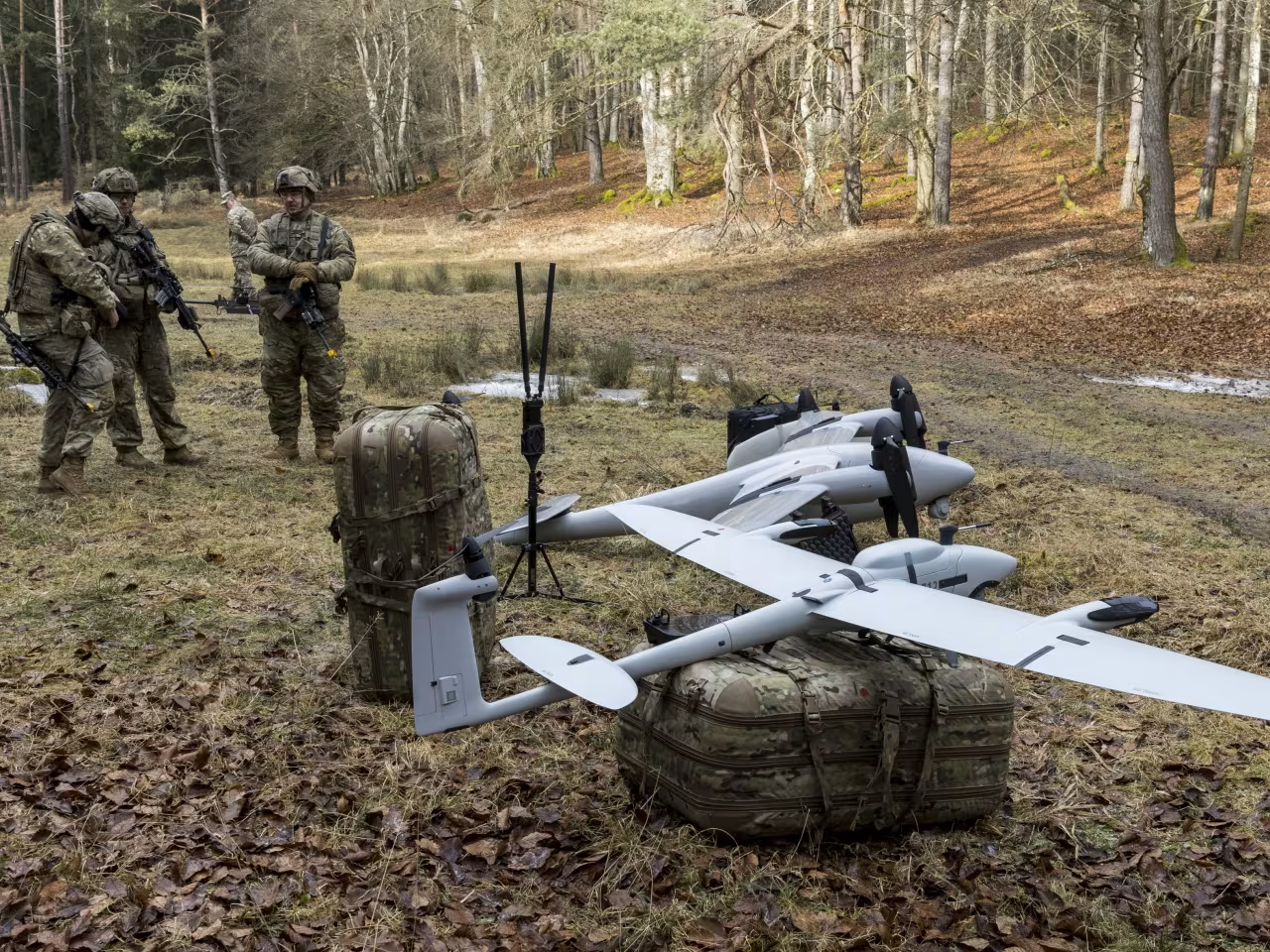
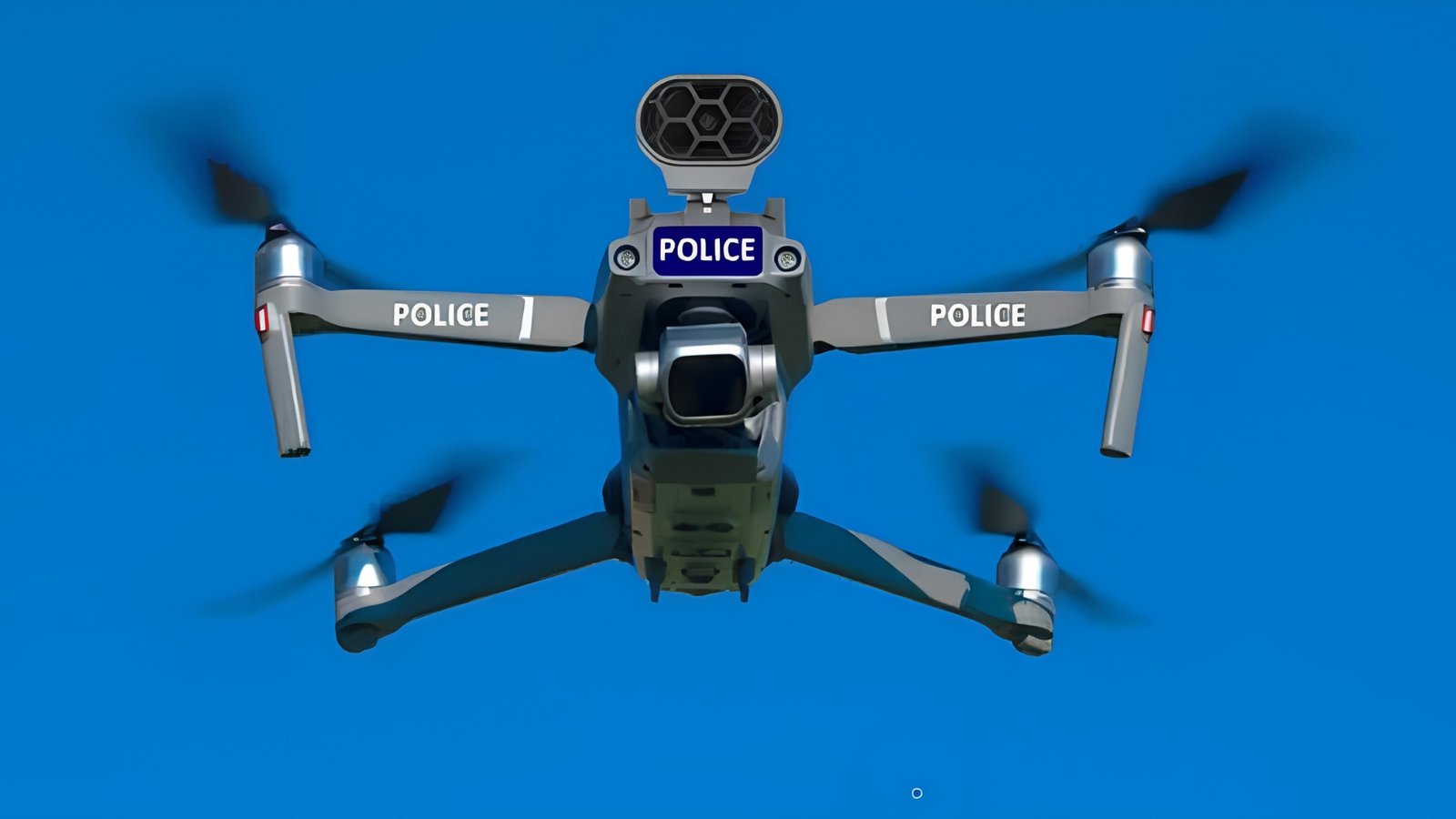
The TB2 is not an isolated case. Commercial drone technology has repeatedly crossed into combat zones. DJI’s Mavic quadcopters, commonly used for real estate photography and recreational flying, have been adapted for military purposes in Burkina Faso and Ukraine’s Donbas region. Other DJI models have appeared in Syria since 2013. In parallel, kit-built drones assembled from readily available parts have proliferated, offering low-cost aerial capabilities to non-state actors and irregular forces.
The integration of consumer-grade electronics into military platforms reflects broader trends in aerospace engineering. Advances in miniaturization, battery efficiency, and sensor technology—driven largely by consumer markets—have reduced barriers to entry for aerial systems. For engineers and hobbyists, the TB2’s design highlights how modularity and supply chain flexibility can be leveraged to create effective solutions under constraints.
From a technical perspective, the TB2’s endurance, payload capacity, and satellite communication links position it between small tactical drones and larger strategic systems. Its ability to carry precision-guided munitions, combined with real-time video transmission, makes it a force multiplier in asymmetric conflicts. The use of commercial navigation and communication modules, while unconventional, illustrates the adaptability of modern aerospace engineering when traditional military supply channels are inaccessible.
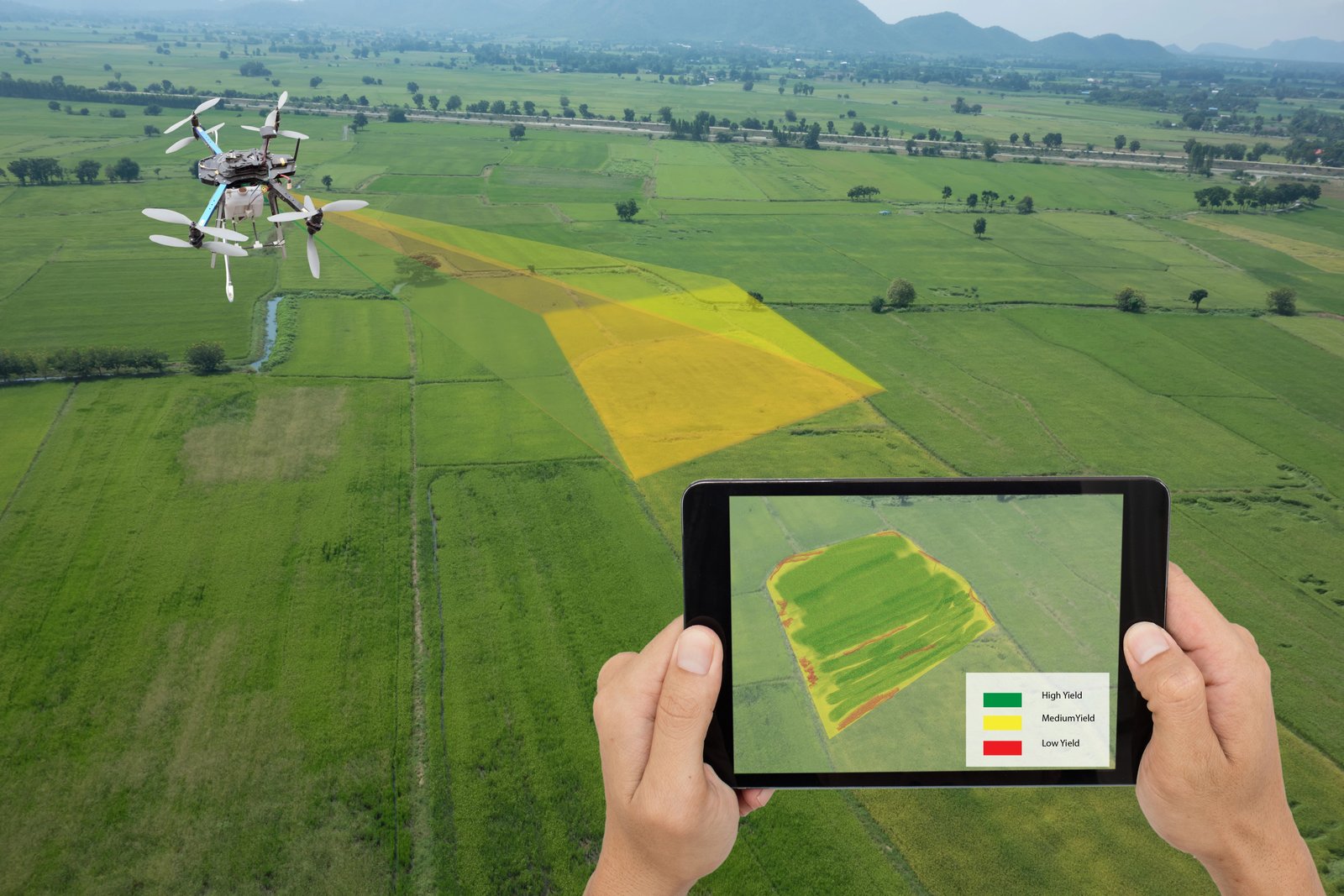
Ethically, the widespread adoption of commercially derived drones raises questions about regulation and accountability. The same accessibility that enables humanitarian mapping or environmental monitoring can also facilitate targeted strikes. For the aerospace community, this dual-use nature underscores the importance of understanding both the technical and societal implications of design choices.
The TB2’s trajectory from a domestically engineered project to a globally recognized combat asset exemplifies how engineering ingenuity, market forces, and geopolitical realities converge. As conflicts continue to evolve, the line between civilian and military technology grows ever thinner, reshaping not only tactics but the very economics of warfare.