

Engineering Insights into the Rise of Space Tourism
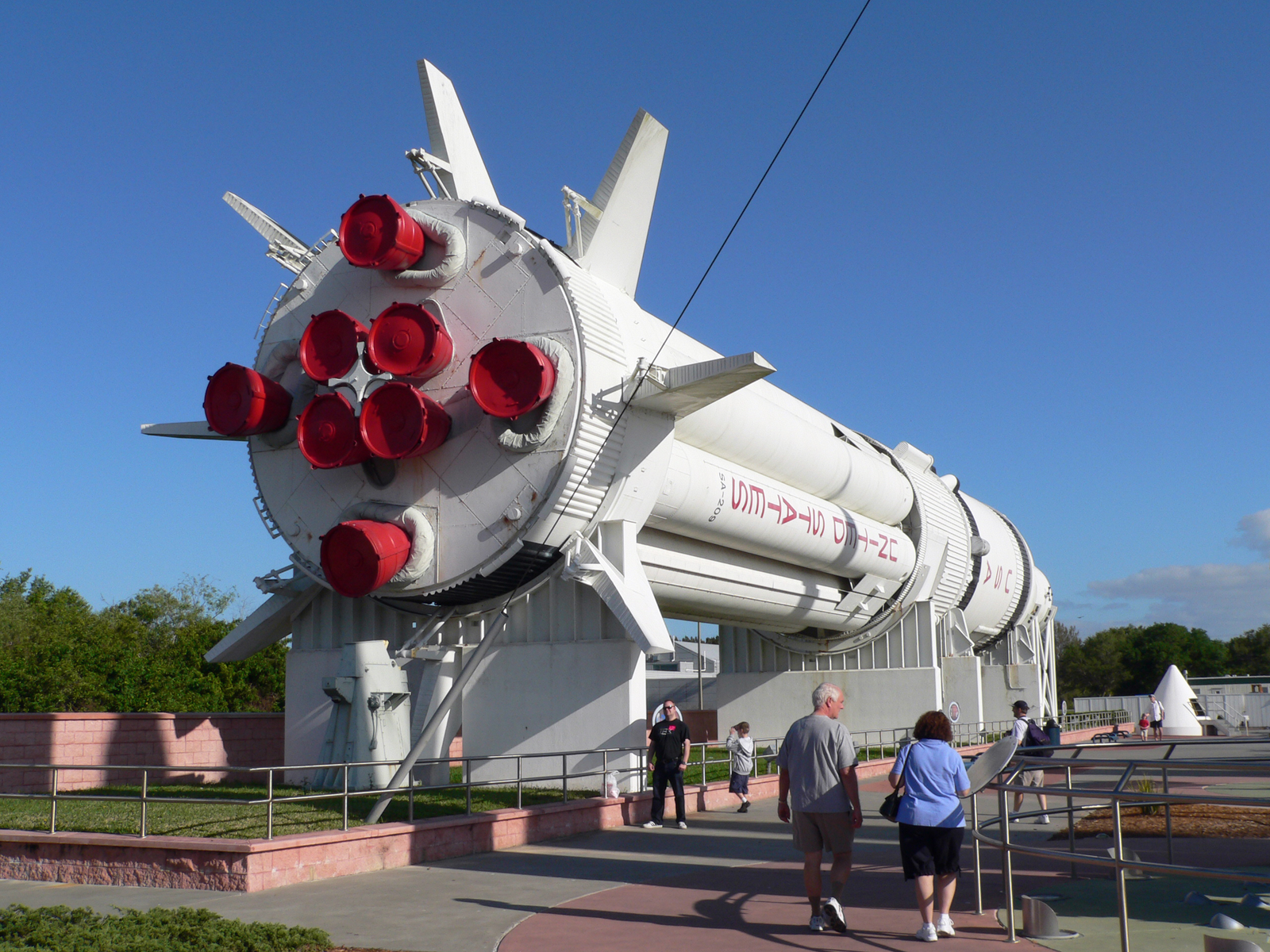
Since humanity first gazed at the stars, the idea of traveling beyond Earth has stirred imagination and ambition. The milestone of July 20, 1969, when Neil Armstrong declared, “That’s one small step for a man, one giant leap for mankind,” marked a turning point in human exploration. For decades, space was the domain of trained astronauts, but advances in aerospace engineering have begun to open orbital and suborbital travel to private citizens.

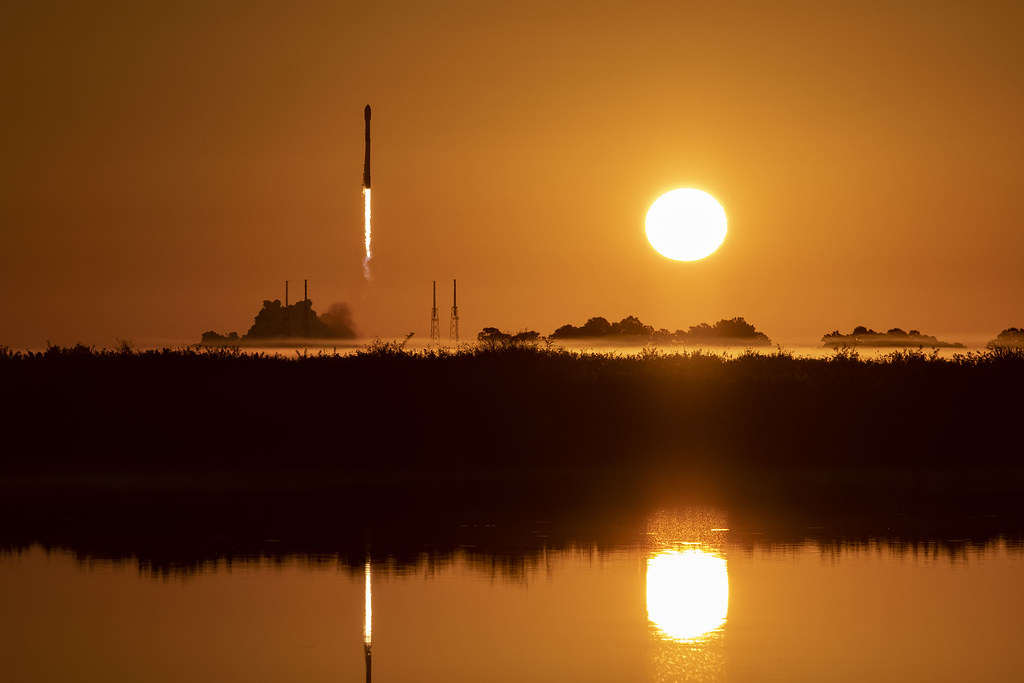
The shift from state-run missions to commercial ventures accelerated in 2021. Virgin Galactic achieved its first suborbital passenger flight on July 12, followed by Blue Origin crossing the Kármán line on July 20. SpaceX’s Resilience mission on September 15 carried four civilians into orbit, becoming the first spacecraft to operate with an entirely non-professional crew. These milestones underscore how propulsion systems, life-support technologies, and safety protocols have matured to support non-astronaut passengers.
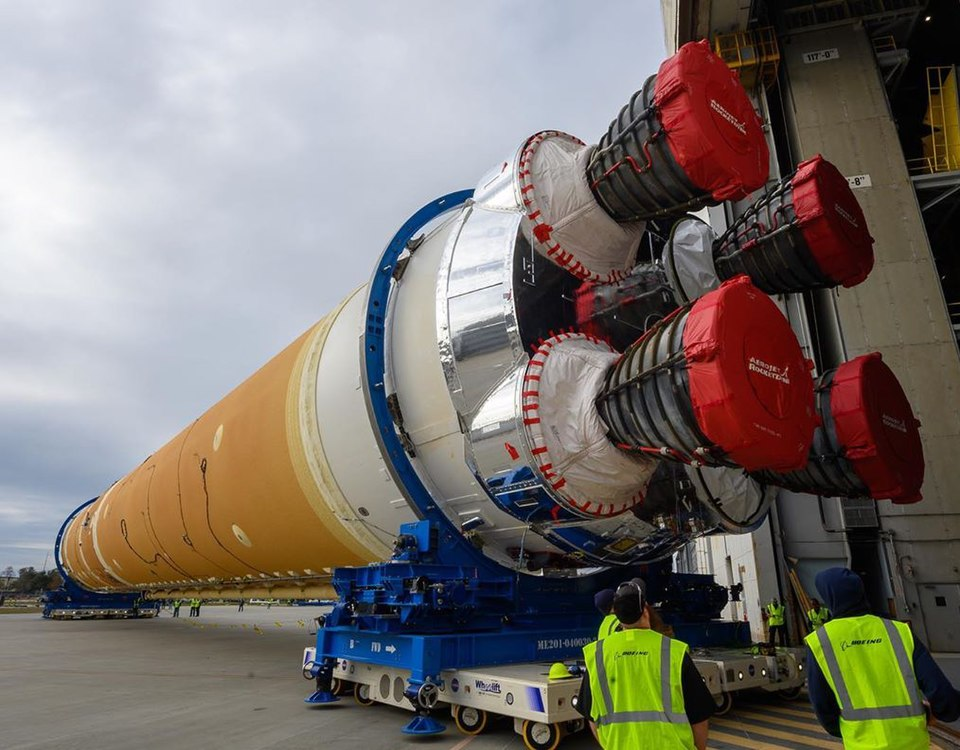
National programs continue to drive the infrastructure underpinning this emerging market. The United States has outlined plans to return to the Moon and establish a lunar base within the next decade. China, having completed its Tiangong space station in 2022, is targeting a crewed lunar landing by 2030. Such programs push forward reusable launch systems, orbital habitats, and in-space manufacturing—technologies that will also benefit commercial tourism operators by reducing costs. Market forecasts project global space tourism revenues reaching US$1.7 billion by 2027, with the U.S. and China as primary demand centers.
The CUHK Business School research highlights cultural and psychological factors influencing uptake. Survey data indicates that Chinese respondents show higher intent to participate in space tourism compared to Americans, who tend to perceive greater risk. The study suggests that Western marketing should emphasize technical transparency and safety assurances, while Asian campaigns could focus on the fantastical and unique aspects of the experience.
Facility preferences also diverge. Both American and Chinese participants favored artificial-gravity pools and spa or massage services in orbital hotels. Americans expressed stronger interest in “outdoor” excursions—likely tethered spacewalks or observation from external platforms—whereas Chinese respondents leaned toward “indoor” entertainment such as movie screenings. These distinctions point to the need for modular habitat designs that can accommodate varied cultural expectations.
Cuisine remains a central part of the travel experience, even in microgravity. Survey results identified steak and burgers as universally popular among both groups, while hotpot ranked highest for Chinese travelers. Incorporating such menu items will require advances in space food preparation, including closed-loop water recovery, waste management, and adaptation of cooking methods to reduced gravity environments.
For those unable to afford physical travel, immersive technologies offer an accessible gateway. In a 2022 experiment, 120 participants experienced a five-minute virtual reality tour of Earth from orbit. Over 80% reported increased enthusiasm for real space travel if financially feasible. This suggests that VR and AR can serve as effective “pre-trip” engagement tools, potentially expanding the customer base for future missions.
Robotics integration in space hospitality presents another engineering frontier. Traditionally deployed for hazardous tasks, robots could assume service roles in orbital hotels. Professor Lisa Wan’s research found that customers prefer humanoid robots over non-humanoid designs, with child-like appearances favored for friendly interactions such as menu recommendations, and adult-like designs preferred for professional tasks like insurance guidance. In space, such differentiation could enhance guest satisfaction while optimizing crew resources. The lower cost of deploying robots compared to humans—due to reduced life-support requirements—makes them a practical asset for sustained operations.
As propulsion efficiency improves, orbital habitats become more modular, and immersive pre-travel experiences build demand, space tourism is transitioning from a niche luxury to a plausible extension of global travel networks. Engineering disciplines from materials science to robotics will play a decisive role in shaping how these journeys are designed, delivered, and experienced.