


Consumer Reports Reveals EV Range Overachievers and Underperformers
Electric vehicles continue to be promoted as a cleaner alternative to traditional combustion-powered cars, but recent testing has revealed that their real-world highway ranges often diverge from official estimates. Consumer Reports conducted a detailed evaluation of 22 popular EV models, measuring how far each could travel on the highway before depleting its battery. The results showed that roughly half of the tested vehicles fell short of their Environmental Protection Agency (EPA) range ratings.
Alex Knizek, manager of auto testing and insights at Consumer Reports, explained to CBS MoneyWatch that “range is one thing that we know a lot of consumers care about. Charging anxiety becomes a prominent thing — a charger might be broken or maybe charging at a lower rate than advertised.” This anxiety is compounded during long-distance travel, where reliable charging infrastructure can be scarce, particularly in unfamiliar areas.
The testing protocol was straightforward yet rigorous: each vehicle was driven until its battery was fully depleted, with the distance traveled compared against the EPA’s published range figure. The team noted that some EVs underperformed by as much as 50 miles, while others exceeded expectations, with one model surpassing its estimate by 70 miles. Knizek highlighted that “having a longer range is more of a convenience — you probably won’t get stranded. If you plan to take long trips, that’s where it becomes more impactful and where this information shines.”
To ensure consistency, Consumer Reports conducted the tests in summer conditions, with ambient temperatures between 70 and 90 degrees Fahrenheit and clear weather — optimal circumstances for EV performance. Tire condition and air pressure were checked before testing, as both factors can influence efficiency and range. Cold weather, known to reduce battery output due to increased internal resistance and greater demand from heating systems, was deliberately avoided to focus on best-case performance.
The study did not include certain models from Chevrolet, Nissan, Polestar, Tesla, and Rivian, either because Consumer Reports did not own them or they did not meet all of the organization’s testing standards.
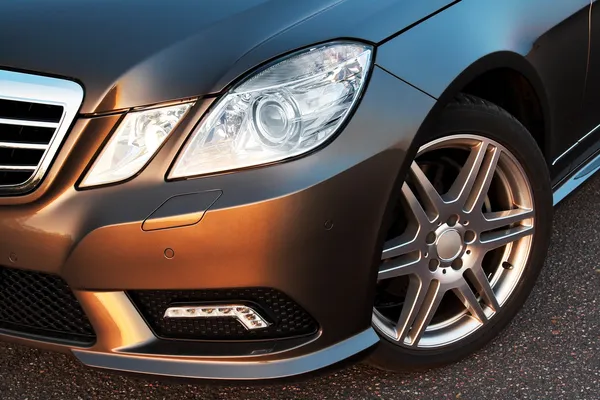
Among the standout performers were models from BMW and Mercedes-Benz. The 2023 Mercedes-Benz EQE 350 4Matic achieved the most significant overperformance, traveling 72 miles beyond its EPA-estimated range of 260 miles. This result underscores how drivetrain efficiency, aerodynamics, and energy management systems can collectively deliver better-than-expected outcomes in real-world conditions.
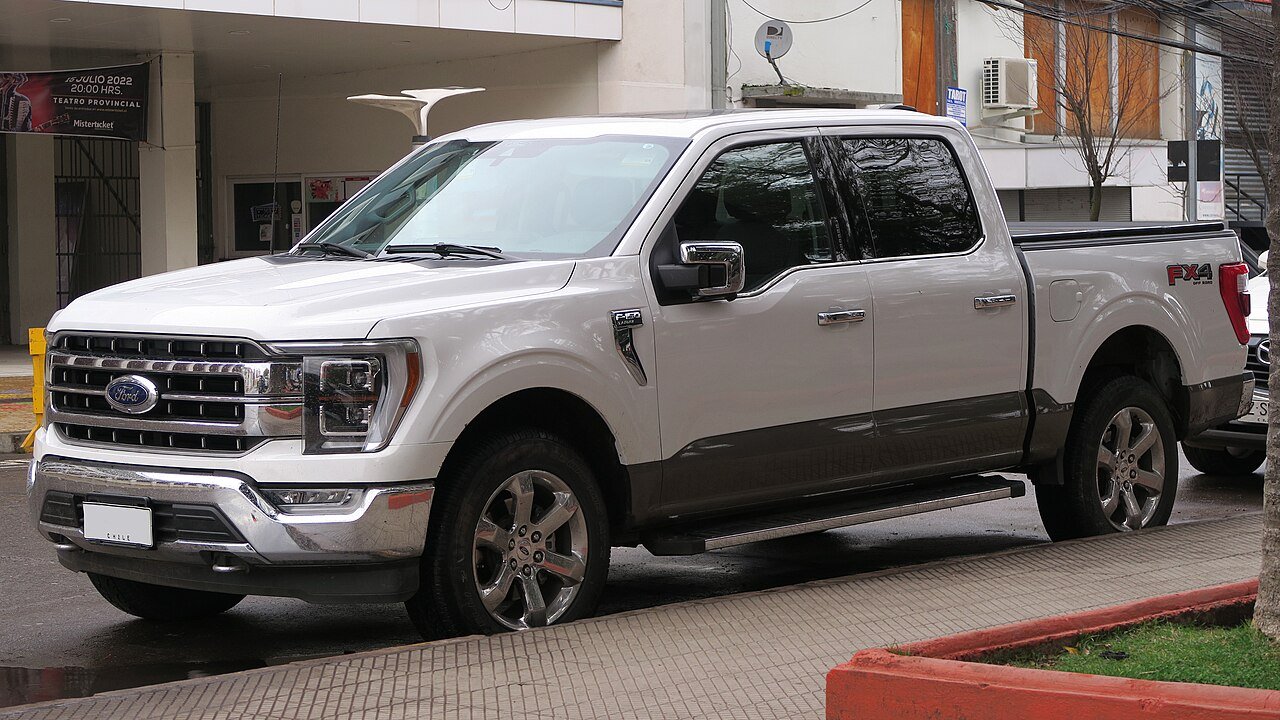
On the opposite end of the spectrum, the Ford F-150 Lightning pickup demonstrated the largest shortfall. Consumer Reports measured its range at 270 miles, which was 50 miles less than the EPA rating. The discrepancy may be influenced by the truck’s size, weight, and aerodynamic profile, all of which increase energy consumption at highway speeds.
These findings arrive alongside broader Consumer Reports research indicating that EVs, on average, have 80% more problems than vehicles powered by internal combustion engines. This reliability gap is attributed to the complexity of new electric drivetrains, software integration issues, and the relative infancy of mass-market EV production compared to the century-old refinement of gasoline engines.
Despite these challenges, federal incentives remain a significant draw for buyers. A tax credit of up to $7,500 is available for qualifying EV purchases, and automakers are steadily expanding their electric lineups. For engineers and enthusiasts, the data from these range tests offers valuable insight into how design choices — from battery chemistry to thermal management — directly affect performance. The spread between overachievers and underperformers highlights the importance of real-world validation, beyond laboratory or regulatory estimates, in understanding the capabilities of modern electric vehicles.