


Ford Targets Affordable EVs, Shelves Large SUV Plans
Ford Motor Co. is redirecting its electric vehicle strategy toward a new architecture designed for compact, low-cost models, according to Bloomberg. The shift comes as inexpensive Chinese EVs gain traction in Europe, raising expectations they will eventually enter the U.S. market. In response, Ford is postponing development of a larger three-row electric SUV, once expected to carry the Explorer nameplate, in favor of smaller, more accessible offerings.
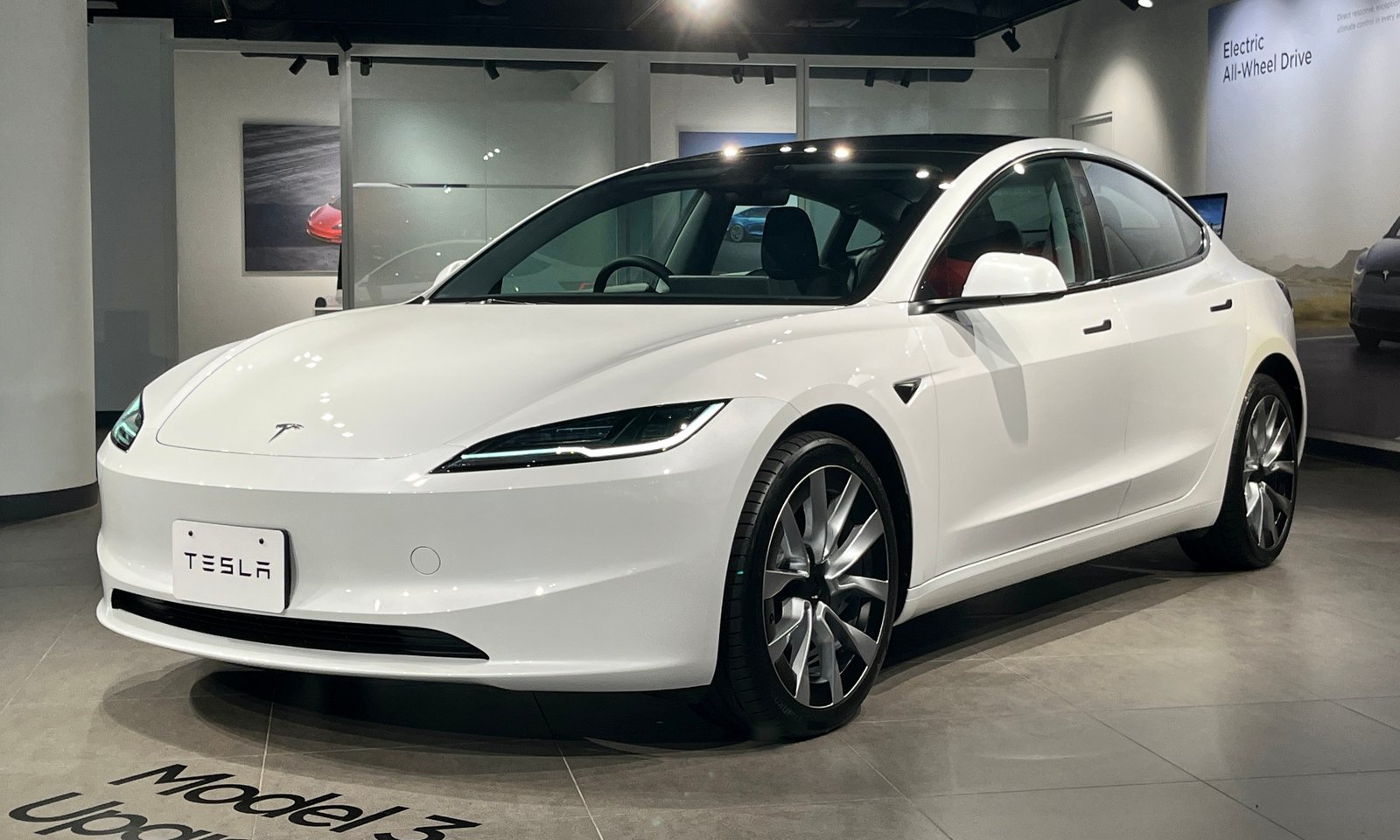
The first product from this new platform is slated to be a compact crossover arriving in late 2026, with a starting price near $25,000. Positioned to compete directly with Tesla’s planned entry-level model, the vehicle will be engineered around cost efficiency without sacrificing core performance metrics. Bloomberg Businessweek reports that fewer than 100 engineers are currently working on the program from Ford’s Irvine, California facility.
The platform is intended to support multiple derivatives. In addition to the crossover, Ford is planning a small electric pickup—potentially an analog to the Maverick in size and market positioning—and a purpose-built ride-hailing vehicle. This multi-use architecture reflects an industry trend toward modular EV platforms, enabling automakers to spread R&D costs across several models while accelerating time-to-market.
Battery chemistry will play a central role in meeting the aggressive price target. The compact EV is expected to use lithium-iron-phosphate (LFP) cells, which typically cost about 30 percent less than conventional nickel-manganese-cobalt lithium-ion batteries. LFP’s lower energy density is offset by its durability and reduced raw material expense, making it a favored choice for budget-oriented EVs. Bloomberg’s sources indicated Ford is also evaluating alternative chemistries to drive costs down further.
The program is led by Alan Clarke, a veteran engineer who oversaw development of the Tesla Model Y before joining Ford. Clarke’s experience with high-volume EV production and platform scalability is likely to influence the project’s engineering priorities, particularly in areas such as thermal management, structural optimization, and manufacturing efficiency.
Ford’s decision to delay the three-row electric SUV underscores the challenges automakers face in balancing product mix with market realities. While larger EVs promise higher margins, they also require substantial investment in battery capacity and chassis design. The Explorer-branded electric crossover launching in Europe this year—built on Volkswagen’s MEB platform shared with the VW ID.4 and Audi Q4 e-tron—will remain exclusive to that market, avoiding overlap with Ford’s forthcoming compact EV strategy in North America.
Industry analysts note that Ford’s pivot aligns with broader competitive pressures. In Europe, Chinese manufacturers such as BYD and SAIC have introduced EVs priced well below Western rivals, leveraging supply chain integration and lower production costs. If similar offerings reach the U.S., domestic automakers will need to respond with equally affordable options to maintain market share.
The move also reflects evolving consumer demand. While early EV adoption skewed toward premium segments, growth in the next phase is expected to hinge on accessible pricing and practical utility. Compact crossovers and small trucks fit this profile, appealing to buyers seeking versatility without the expense of larger battery packs.
Ford’s emphasis on a dedicated ride-hailing model signals awareness of emerging mobility ecosystems. Purpose-built EVs for fleet use can be optimized for high uptime, simplified maintenance, and urban maneuverability—attributes increasingly valued by operators in shared transport services. General Motors’ experiments with autonomous Cruise vehicles and Kia’s planned PV5 van illustrate the competitive landscape in this niche.
By concentrating resources on a flexible, cost-conscious EV platform, Ford is positioning itself to navigate both the technological and economic pressures shaping the next decade of electric mobility.