



EV Sales Surge Toward 25% of Global Market in 2025
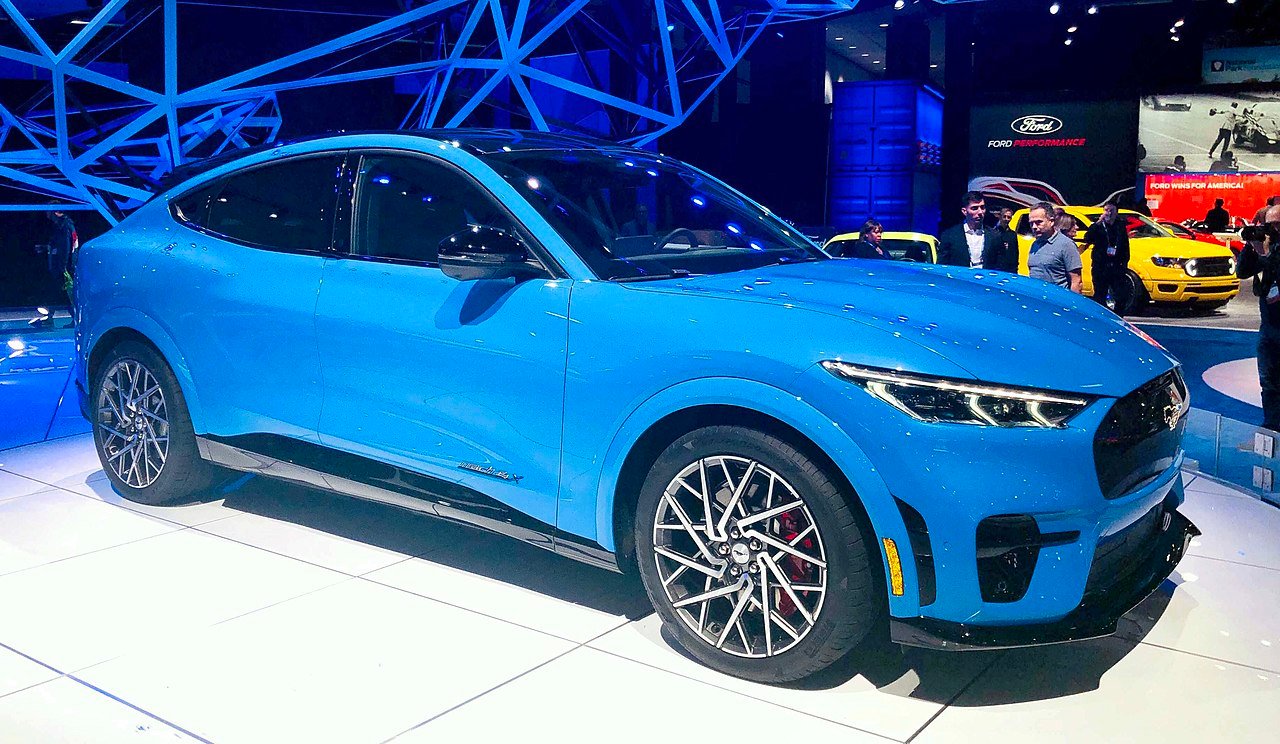
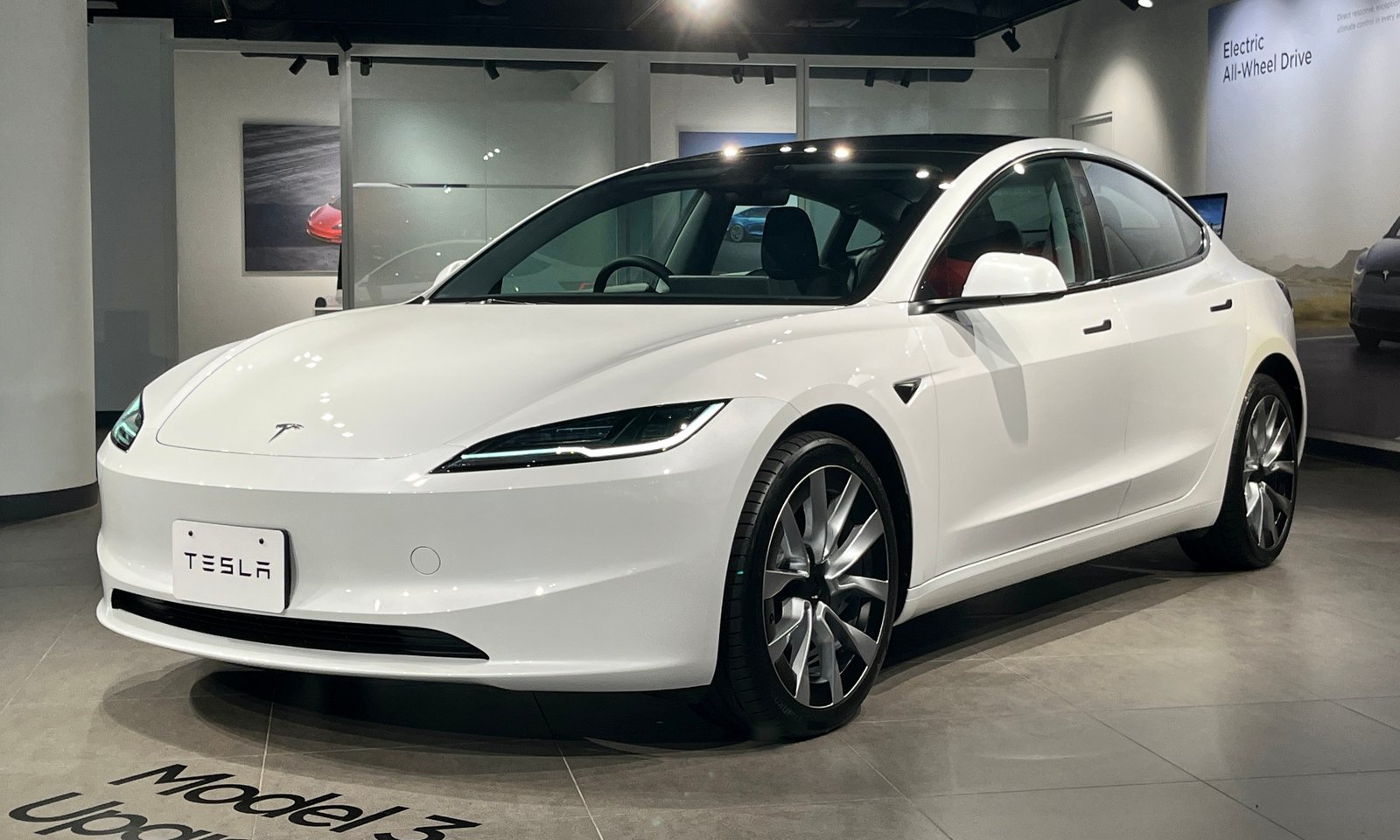
Global electric vehicle adoption is accelerating toward a new milestone, with the International Energy Agency’s Global EV Outlook 2025 projecting sales of more than 20 million units this year. That figure would represent over one-quarter of all cars sold worldwide, marking a sharp rise from the 17 million EVs sold in 2024, which accounted for just above 20% of the market. Growth is no longer confined to mature economies. Emerging markets in Asia and Latin America saw electric car sales jump by more than 60% last year, reaching nearly 600,000 units — a volume comparable to Europe’s market size five years ago.

The IEA cautions that momentum faces headwinds. “Higher tariffs might increase the price of cars, including electric cars and their components; lower GDP growth could dampen car sales; and lower oil prices affect the fuel cost savings from the use of electric cars,” the report notes. Yet, IEA Executive Director Fatih Birol remains confident: “Our data shows that, despite significant uncertainties, electric cars remain on a strong growth trajectory globally.”
Parallel to the EV surge, China’s emissions profile is showing signs of change. Data from the Centre for Research on Energy and Clean Air, published in Carbon Brief, indicates that the country’s CO2 emissions declined by 1% over the past 12 months. In the first quarter of 2025, emissions fell by 1.6% compared to the same period in 2024. While the reduction is modest, it has prompted discussion among analysts about whether China, the world’s largest emitter, may have reached an emissions peak or plateau. The shift comes despite rising power demand, suggesting structural changes in energy generation and industrial activity.
Wildfire pollution remains a persistent and global health hazard, affecting the homes of roughly one billion people annually. Fine particulate matter from wildfire smoke is linked to respiratory illnesses such as asthma and chronic obstructive pulmonary disease. Standard guidance — sheltering indoors with doors and windows closed — offers limited protection, as studies show smoke particles can infiltrate buildings. Air purifiers can significantly improve indoor air quality, but their cost puts them out of reach for many households in low-income countries, leaving large populations vulnerable.
In Europe, ecological restoration efforts are gaining momentum. More than 500 dams were removed across the continent in 2024, reconnecting rivers and improving aquatic ecosystems. This trend reflects growing corporate and policy alignment with climate objectives. Data from the LobbyMap platform shows that 52% of tracked European companies now engage in climate policy that is either fully or partially aligned with scientific targets.
Agriculture faces its own demographic challenge. The average farmer globally is over 55 years old, and the profession is struggling to attract younger entrants. With the world’s population continuing to rise, the demand for food is increasing, placing pressure on an aging workforce. Arnold Puech Pays d’Alissac, President of the World Farmers’ Organisation, has been advocating for strategies to make farming more appealing to younger generations, emphasizing its critical role in meeting future food needs.
Policy innovation is also shaping environmental outcomes at the local level. In New York State, composting has been made compulsory for residents, a move aimed at reducing landfill waste and greenhouse gas emissions. Early reports suggest the initiative is altering waste management habits and contributing to more sustainable urban living.
These developments — from rapid EV adoption and potential emissions shifts in China to public health challenges from wildfire smoke and systemic changes in agriculture — underscore the interconnected nature of technology, policy, and environmental stewardship. For engineers, technologists, and enthusiasts, they highlight both the opportunities and complexities in designing solutions that align with global sustainability goals.