

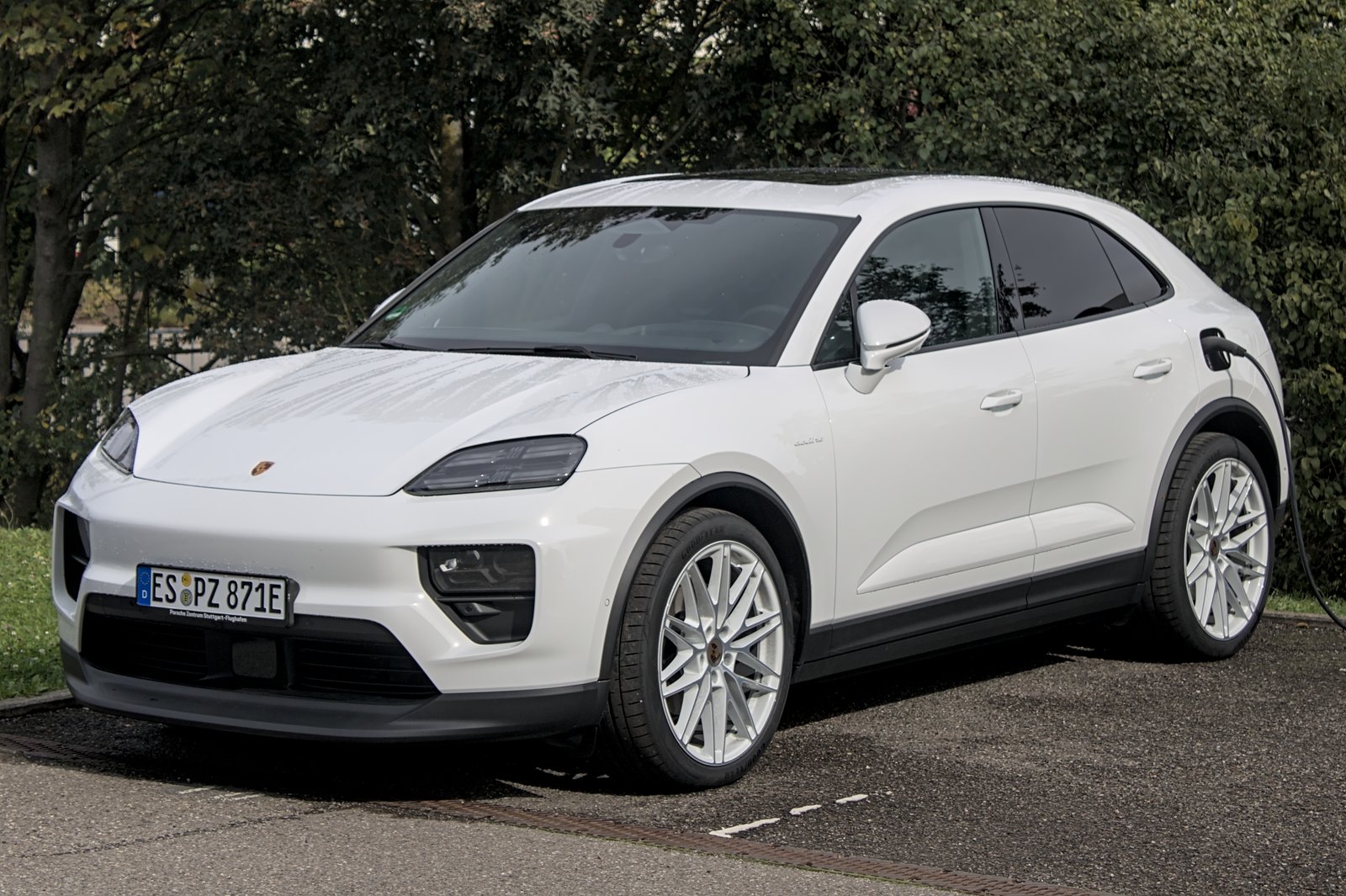
Porsche Macan EV Shows Strengths and Flaws Over 1,000 Miles
A 1,000-mile road trip from Los Angeles to Jenner, California, offered a revealing look at the Porsche Macan EV’s long-distance capabilities. Departing with a 97% charge and an indicated 363-mile range, the journey began under less-than-ideal conditions: Friday afternoon traffic and the steep climb over Tejon Pass. The combination of congestion and elevation quickly eroded the range estimate, and by the first stop in Kettleman City, the odometer read 199.9 miles with 72 miles remaining.

Extended highway driving, especially in 95-degree heat, underscored a common limitation among electric vehicles—sustained high-speed efficiency. The Macan’s performance in this respect was typical, but its cabin refinement fell short of expectations for a luxury SUV. Wind and tire noise intruded noticeably, and over imperfect pavement, interior plastics creaked and rattled. At one point, both driver and passenger simultaneously remarked, “This is a loud car,” a telling moment for a vehicle carrying the Porsche badge.
Charging performance, however, proved to be a strong point. At Kettleman City, the Macan maintained near-peak charging power of 270 kW from 27% state of charge until tapering at around 50%. Later in the trip, it surpassed Porsche’s official claim, hitting 273 kW during a session that took the battery from 8% to 41%, delivering 32.1 kWh and adding over 100 miles of range in under eight minutes. These figures matched controlled test results, confirming the repeatability of its high-rate charging capability in real-world conditions.
Efficiency metrics were also consistent. On the return leg from Jenner to Kettleman, the Macan averaged 31 kWh per 100 miles, close to the 29.2 kWh per 100 miles recorded in the Edmunds EV Range Test, which involved more varied driving conditions. For engineers and enthusiasts tracking EV performance, such consistency between lab and road data speaks to the predictability of the vehicle’s energy consumption.
One standout feature during the marathon drive was the adaptive sport seating. The 18-way adjustable front seats provided firm support without sacrificing comfort, significantly reducing fatigue over more than 16 hours of driving spread across two days. While the $1,780 option price reflects Porsche’s premium positioning, the ergonomic benefit was tangible, especially for long-haul travel.
Despite these strengths, the trip reinforced persistent weaknesses. Ride quality remained jarring over extended distances, and the interior’s noise levels detracted from the otherwise quiet propulsion typical of EVs. For a $100,000 vehicle, the combination of coarse cabin acoustics and rattling trim was notable. In the context of automotive engineering, such shortcomings highlight the challenge of balancing performance, efficiency, and refinement in electric SUVs.
From a technical perspective, the Macan EV’s charging architecture is commendable. Sustaining over 270 kW requires robust thermal management for both the battery pack and power electronics, particularly under high ambient temperatures. The ability to replicate peak charging rates after hours of operation suggests effective cooling strategies and a well-calibrated charging curve. This capability reduces downtime on long trips, a critical factor in EV adoption for drivers accustomed to quick refueling.
However, NVH (noise, vibration, and harshness) control appears to be an area needing further development. Wind noise at highway speeds likely stems from aerodynamic sealing around doors and glass, while tire roar could be mitigated through different tread compounds or acoustic insulation in wheel wells. The interior creaks point to material interfaces and fastening methods that may not be optimized for thermal expansion and road-induced vibration.
For those interested in the engineering trade-offs of modern EVs, the Macan EV illustrates both progress and remaining hurdles. Its high-rate charging and consistent efficiency metrics align with the demands of long-distance travel, yet its cabin refinement and ride comfort leave room for improvement. The journey underscored that while electric propulsion solves certain challenges, the fundamentals of vehicle design—structural integrity, noise isolation, and suspension tuning—remain just as critical in delivering a truly premium driving experience.