


Musk moved the destination from Mars to the moon hardware readiness will decide it
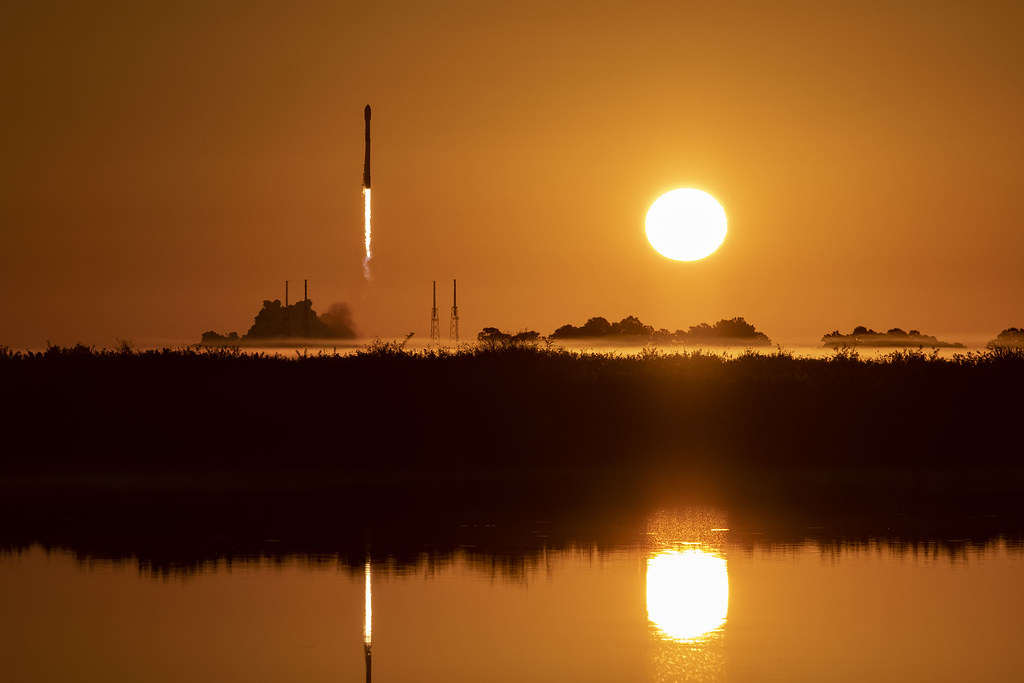
What will we have different when we stop Mars and switch to the moon: the engineering, the schedule discipline, or the definition of “done?” Elon Musk has reassigned SpaceX long-term priorities yet once again, suggesting that a city which grows itself is feasible on the moon since one can attempt missions much more often than they can transfer to Mars. In a post on X, Musk compared interplanetary alignment windows to lunar access by saying: “It is only possible to travel to Mars when the planets align every 26 months (six month trip time), whereas we can launch to the Moon every 10 days (2 day trip time).” He qualified that an accelerated pace signifies accelerated repetition to a lunar colony.

The cadence argument would be appropriate to the SpaceX design philosophy: build, test, break, rebuild. However a moon-city story is instantly confronted with the practical bottlenecks that have characterized Starship developing up to now, the operations in orbit, the propellant supply chain, and the life-support validation, since that is what the permanent presence in space would eat at scale. The moon is not as distant as Mars but a settlement is not about distance but rather about creating an industrial loop that would sustain people energized, safeguarded, provisioned and ultimately productive without frequent one-off voyages back on Earth. It is that loop that relies on repeatable flight and repeatable surface systems, not just large payload capacity.
In the automobile direction, the Human Landing System of Starship version created by SpaceX is under development as NASA works on an Artemis architecture, and its design goals have become more tangible. SpaceX has defined an HLS design of two 13 cubic meters airlock and an internal volume of approximately 600 cubic meters with room to allow supply and crew activities more akin to a small station module than a bare lander. The same terse passes on surface access, through an elevator, and the use of lander-mounted landing thrusters, which are designed to cut down regolith blowback during touchdown, a problem rapidly becoming functional, rather than cosmetic, when surface traffic becomes operational.
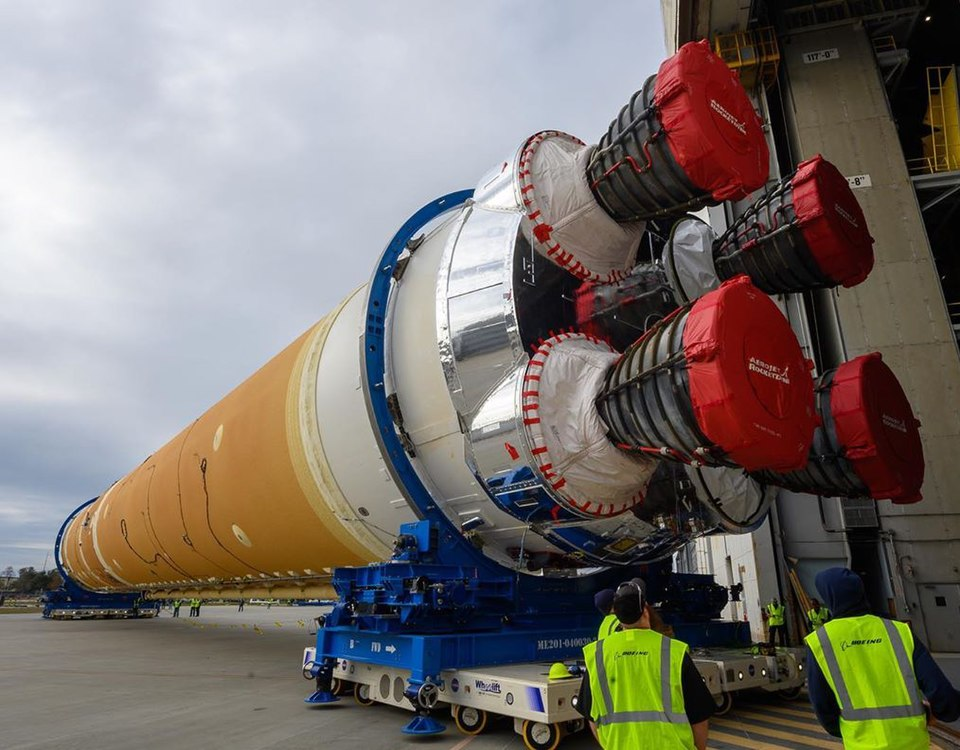
Nevertheless, the gating objects are orbital. SpaceX has outlined the fundamental milestones that must be achieved before HLS is a routine: ship reuse, ship-ship docking and cryogenic propellant transfer. In their absence, the “launch every 10 days” is just a tagline and not a cohesive transportation system since a lunar lander vision using depots and tankers must have a series of successful refueling experiences during each mission. The lunar lander stack in one of the popular planning constructs might take up to 12 refueling operations to be completely loaded with propellant to descend and to ascend. The hardware is large, however, the choreography is bigger.
The other half of the settlement claim is comprised of power and surface infrastructure. City would mean constant energy with lunar night, strength with the change of temperatures, and the opportunity to grow without transporting each kilogram to the planet. NASA and the U.S. Department of Energy have formalised cooperation to a fission surface power system that will work years without refueling, a technology path which plans to render operations on the moon “always on” a possibility where solar will prove limiting.
Then there is construction. Habitats that last long periods must cope with radiation, micrometeoroids, dust, and severe thermal ranges and designs are becoming more focused on in-situ resource usage- transforming regolith into shielding and framework instead of bringing large amounts of materials on board. Research by ESA and MIT has noted the approaches of 3D-printing or sintering regolith into walls and berms as well as suggested shielding of about 3 meters to protect long-term occupants. Such mass can be handled only when the moon itself starts serving as the feedstock.
Musk has indicated Mars was still on its roadmap, but positioned the moon as a quicker way to “secure the future of the civilization,” and Mars city is work still under a longer horizon. Having the moon as an intermediate proving ground or parallel destination will be less decided by rhetoric than by the grey systems work: reliable reuse, reusable fuel, night survivable power, face stuff construction that transforms dust into infrastructure.