

Artemis II will fly farther than Apollo ever did, and the cabin details matter
There is no quick way home What does it take to launch people beyond Earth orbit the first time since 1972?

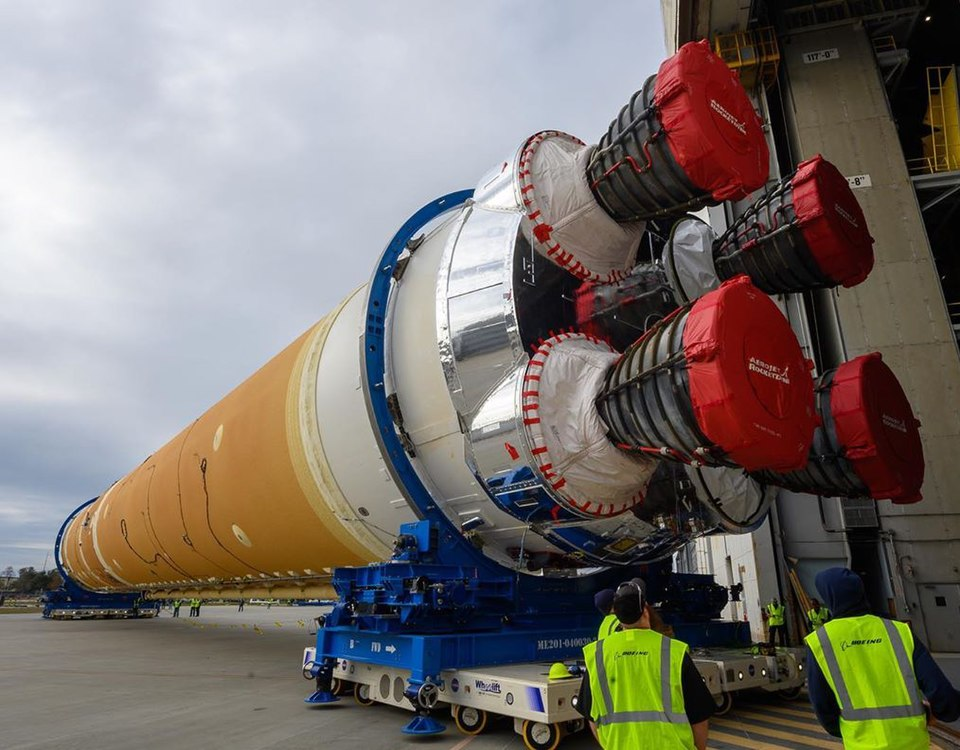
Artemis II should provide the answer to that question using hardware and processes that have never been demonstrated with a crew on board: NASA Space Launch System (SLS), the Orion spacecraft, and the real-life aspects of keeping four people healthy, productive and safe in deep space. This is not a landing, but a lunar flyby; although it is designed on the point where missions cease being considered a close enough getaway and become a true commitment to the path.
The cast includes three NASA astronauts (Reid Wiseman, Victor Glover, and Christina Koch) and a Canadian mission specialist called Jeremy Hansen who will become the first non-American to visit the Moon. The name Integrity has been publicly linked to their Orion capsule; a hint that this mission is more about belief in systems than it is about range covered.
That is the distance that is headline-grabber. With a free-return-type orbit, Orion will go round the Moon and swing back again, with the lunar gravity to provide the base of the return geometry. The far point of Artemis II will place the crew farther away than any human will have ever been before any humans – farther away than the far side of the moon on a path designed to be resilient even in the presence of major propulsion problems occurring after the outbound injection.
But probably the most telling of the works of Artemis II is the one that is designed to be mundane in its nature. Nevertheless, engineers have to observe a full-up environmental control and life support system in operation with humans in the loop, such as the dispensing of water, the revitalization of air, waste handling, and the undesirable choreography of living in a small volume over a period of approximately 10 days. The life support structure of Orion features a regenerable Carbon-dioxide and humidity removers system that is designed to use less consumable and less cabin volume than prior spacecraft models, a distinction that becomes critical as missions extend in length and distance.
The car is designed with human factors within its cabin as opposed to propulsion. The four launch-and-entry seats of Orion are adjustable with an extremely wide range of body sizes, and are combined with an impact attenuation system that helps to decrease the loads during ocean splashdown. The main interface of the crew is digital – three display units that the switch panels and rotational and translational hand controllers support – and backups that should enable the spacecraft to remain flyable in case of a display or controller failure.
Risk management also appears different when the magnetic shield is removed around the Earth. Orion is equipped with Hybrid Electronic Radiation Assessor a sensor designed to give warning of a solar particle event, and the procedures which repurpose onboard stowage into a temporary shelter. This is the case, astronauts enter the storage bays under the seats with supplies and communications, sometimes taking as long as 24 hours to get into position, using the mass of the cabin itself as an impromptu shield instead of including heavy countermeasures.
This all leads to the next step, which is surface science. Artemis III planning has already established priorities in instruments to be used in south polar operations such as the Lunar Environment Monitoring Station (LEMS) seismometer suite and the Lunar Dielectric Analyzer the probe polar volatiles and a biology-oriented experiment studying the effect of the environment on plants. It is not just about deploying flags, but rather about constructing a duplicateable model of a fieldwork in which human presence “enhances scientific discovery” as was said by NASA Deputy Administrator Pam Melroy.
Artemis II is also contained within an international structure to normalise the way civil lunar activity is performed, including the exchange of data and emergency support as well as “safety zones” to deconflict. The Artemis Accords incorporate those ideas of governance, as the reality is no longer that Moon is a destination of two nations.
No amount of SLS power or symbolism of a multinational crew will ever make Artemis II any more than the small confirmations that the life support remains stable, the crew interfaces have made the job easier, radiation procedures are feasible, and the mission can cross the “no easy return” boundary and return cleanly.