

Why Dallas Is Sending Police Drones From Fire Stations
The Dallas Police Chief told The Associated Press that three holding calls can be handled by even the city’s pilots in an hour in the new aerial response model, which the city will use during training. Dallas doesn’t run a small UAS as a specialized instrument any longer. The 8 remoted drones from Dallas Fire-Rescue stations are being flown by the police department’s Fusion/Real Time Crime Center. The set-up allows the dispatcher and the neighbor’s fire company or patrol car to see a live overhead view of the neighborhood’s fire facilities before the fire company/patrol car reaches the scene. The idea is quite simple, but the operation is quite a change!
The aircraft would fly a circle around a two-mile radius and the pick-up locations would be calculated based on heat maps of police/fire calls for service. But, it is important that the drone is close to the matter (to have any effect) but not so close that there are ‘dead zones’ (no effect). Dallas isn’t planning on expanding on its drone sites but, rather, making use of a city that already has an emergency footprint. The result is a network that pays more attention to what is being displayed than to what is being sent shorter flight times, faster visual confirmation and faster decision making on the necessity of a full ground response. This can be a better day for officers when the information is more accurate when officers arrive. This can be the ability of firefighters to view the roof rating, fire behavior, and the access they will gain to the fire scene before leaving the apparatus.
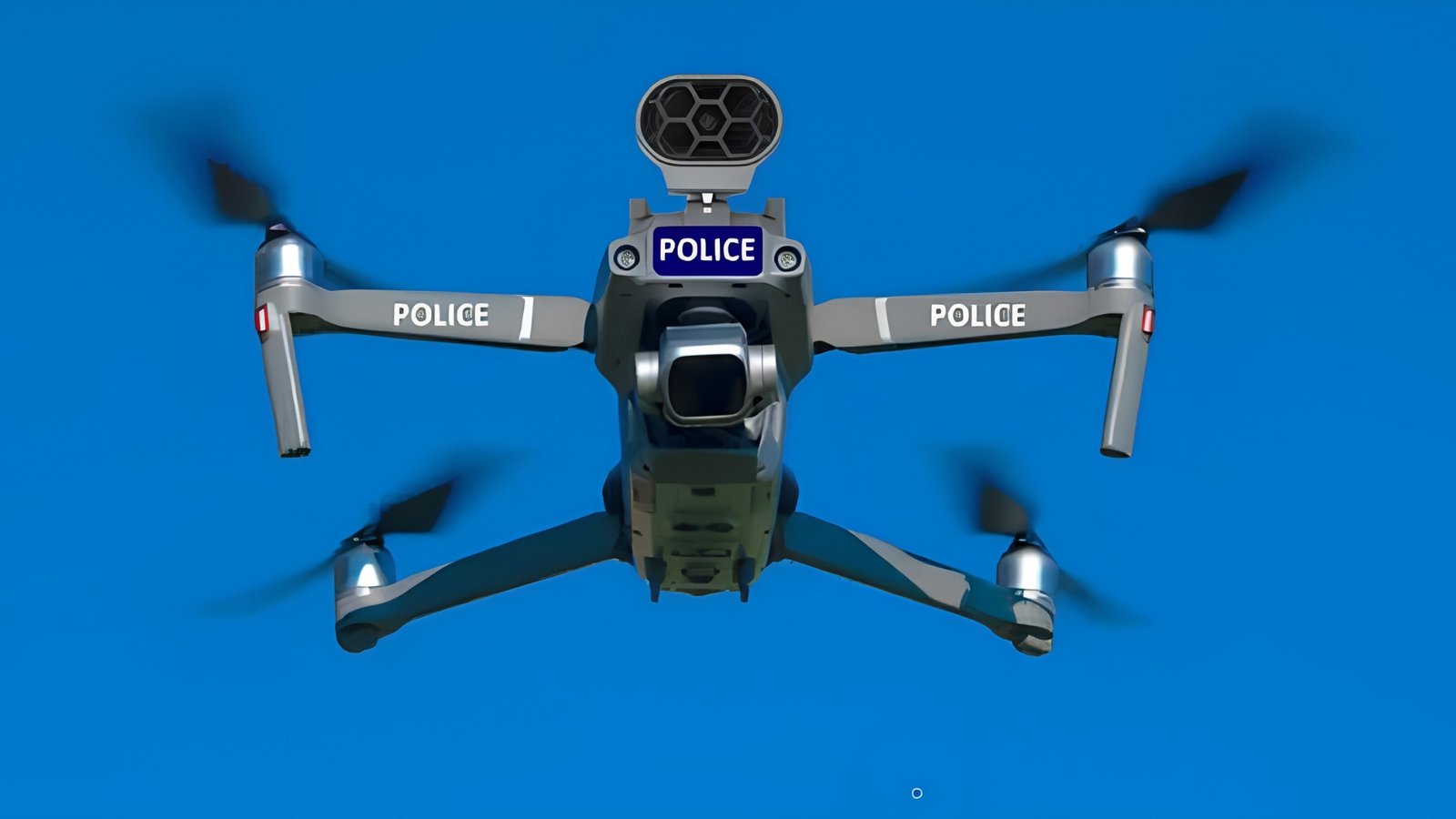
The planes are typical of the old paradigm of public safety. They have the following tools: a thermal camera for low-light work, and loudspeakers for talking to people on the ground. In reality, it’s not only the hardware, it’s the integration of the video into a bigger evidence and command system. Dallas is also working to incorporate drone footage into its existing Axon evidence system and would like to see agencies around the country do the same, as they continue to work on making the drone data available to agency body-camera–vehicle data–interview room data integration efforts.
That’s a sign of where drone programs for municipalities are headed next. The concept of a “drone-in-a-box” aircraft that launch and land inside of a charging facility, and then take off to autonomously return for recharging has turned out to be a viable solution for on-demand operations over a city. The systems are remote managed and, in some cases, automated and this is why rooftops for fire stations and service yards are valuable public safety assets for public safety aviation.
It’s even the airspace side that’s changing! Comments on part 108 for BVLOS presented by the FAA to the FAA Safety Advisory Council aim to lay a foundation for scalable systems of first responders by clearly and explicitly establishing the rules for routine BVLOS operations. In Dallas, it’s not really a question: Can a drone reach a 911 call? Or whether it’s the convergence of aerial response, evidence handling, station infrastructure and low-altitude airspace rules to make the drone a daily part of first-arrival routine.