

SpaceX Paused Starship V3 Launch at T-40 Seconds for a Critical Reason
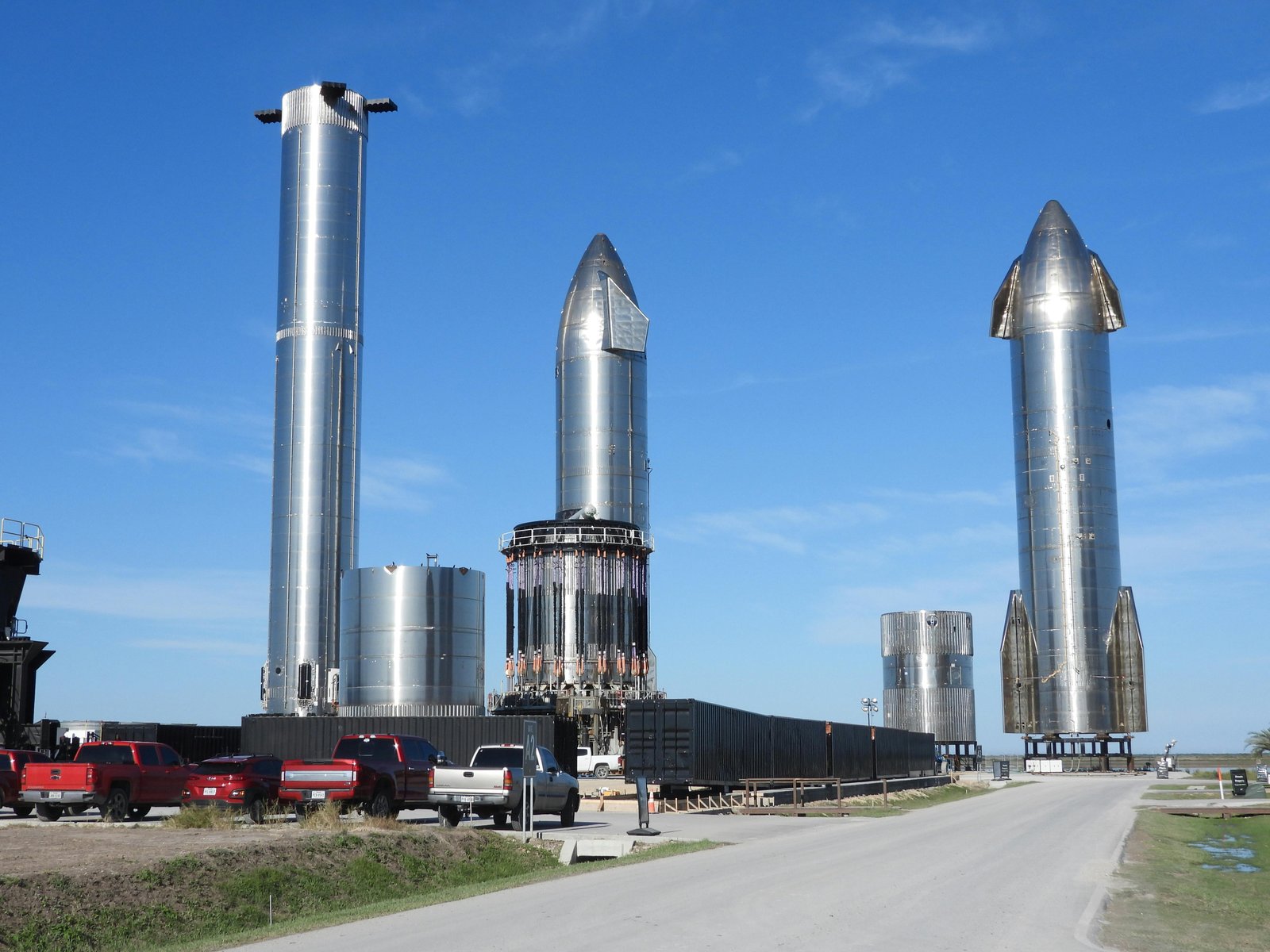
Pressing the brakes 40 seconds before liftoff does not indicate weakness of nerves. On the contrary, it is a clear indication of what little safety margins are available at the time the new rocket is paired with a new launch complex and new ground systems for the first time. This was, indeed, the meaning of SpaceX’s scrubbed Flight 12 effort. As noted by Elon Musk, this particular launch was meant to demonstrate the performance of the Starship Block 3 vehicle at the second orbital-class launch site at Starbase, Texas. This new configuration will likely prove critical as Block 3 will be the largest and most powerful iteration to have flown so far the height of Block 3 stands at about 408 feet and aims to mark another significant increase in payload capability.

This is also important in light of SpaceX plans to rely on Starship in their high-volume Starlink satellite deployment campaigns, in-orbit refueling experiments, and future NASA-operated crewed flights to the Moon. It was the countdown procedure itself that made clear where the risks are at the moment not only with the vehicle, but also the hardware supporting it.
According to reports, there were at least four different automated holds in the last minute prior to ignition, affecting such subsystems as pressure management on the ship quick-disconnect, a launch tower sensor, and the water deluge systems on the pad. Moreover, a published mission summary indicated the problem with the launch tower arm hydraulic pin that failed to retract as expected. According to SpaceX spokesperson Dan Huot, the scrub of this launch “New rocket, new pad We’re learning a lot about these systems as we execute them for the first time”. In other words, the countdown procedure became a kind of wet dress rehearsal, where support systems had to be tested and proven without involving the ignition stage, thus making SpaceX closer to its ultimate objective: launching an operational launch system with maximum turnaround and reusability capabilities.
At the same time, Flight 12 was supposed to demonstrate whether V3 hardware is capable of carrying even greater responsibility on behalf of SpaceX from the year of 2025 onwards. In particular, the upcoming launch involved a total of 22 payloads to be launched together with the spacecraft, as well as in-space testing of Raptor engine relight ability and reentry procedures that are aimed at demonstrating the performance of flaps and thermal protection system. This, in turn, has been driven by a need to test new Starship iterations after the successful flight missions conducted earlier in the year Flight 10 and 11, during which the ship successfully carried out two controlled ocean splashdowns after payload deployments and in-space engine relights.
These changes, on the other hand, are intended to expand the current baseline and improve the capabilities of this launch vehicle system. In particular, Block 3 vehicles are expected to use Raptor 3 engines that have increased thrust power and require less external shielding, while the booster will feature a new three-gridfin design with enlarged flaps. Moreover, this mission marks a transition to a new launch complex Pad 2, whose capacity SpaceX claims is higher than that of the previous pad. At the same time, even minor adjustments to plumbing, structure, and thermal management are likely to affect the whole process significantly. In conclusion, although the scrub itself did put SpaceX back into its efforts, it made clear how critical it is to make sure that each of those milestones is reached successfully.