

Skydio’s $3.5 Billion Bet Targets America’s Drone Supply Gap
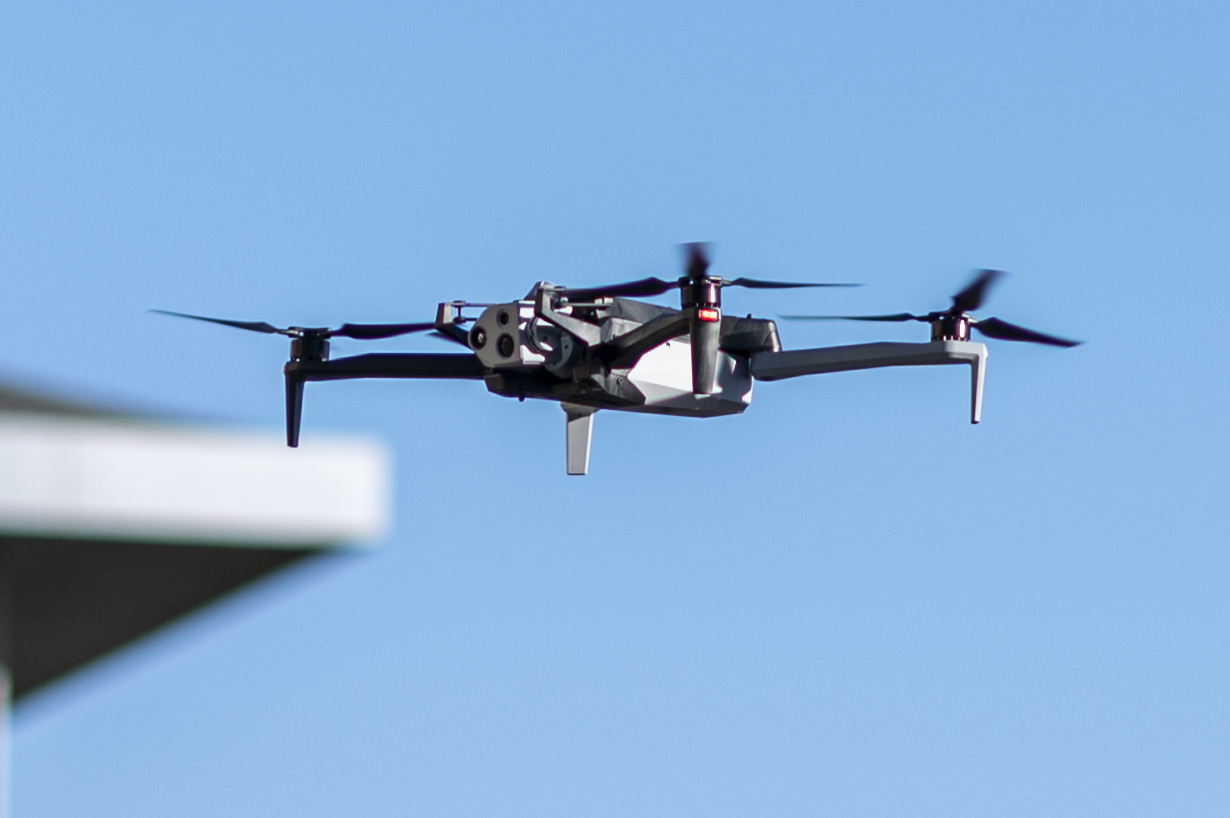
The airframe is the main focus of attention in drones. However, the supply chain determines the ultimate sustainability of any drone maker. That is the significance behind Skydio’s recent expansion effort. The Californian company, which has become one of the most prominent domestic drone manufacturers in government and public safety domains, reported raising additional funds as well as investing $3.5 billion in domestic business development over five years. The headline may be impressive, but there are more important implications here since the main purpose of this investment is to increase manufacturing capabilities and develop a stronger research capacity as well as a robust domestic component sourcing network.

This is significant for the drone industry in the United States since the landscape is slowly changing from pure technological questions to other challenges such as procurement policies, supply chain sustainability, and security of collected data. The National Defense Authorization Act restriction on using Chinese drones within federal procurement by 2026 creates an opportunity for domestic drone providers. Still, there is another challenge related to this situation – it requires a certain level of industrial infrastructure development that goes beyond manufacturing itself.
It seems like Skydio tries to address this challenge in its expansion strategy since the company mentions plans for opening a facility five times larger than the existing manufacturing unit, more than 2,000 job openings, and more than $1 billion investment in American suppliers. Additionally, the company aims to establish relationships with a few key suppliers located nearby, and this decision looks reasonable in terms of faster innovation and supply continuity. As soon as a drone company becomes dependent on certain components supplied from abroad, it becomes vulnerable overnight. That is why Skydio’s expansion is likely to be viewed more as an effort to strengthen its domestic manufacturing base rather than a simple expansion.
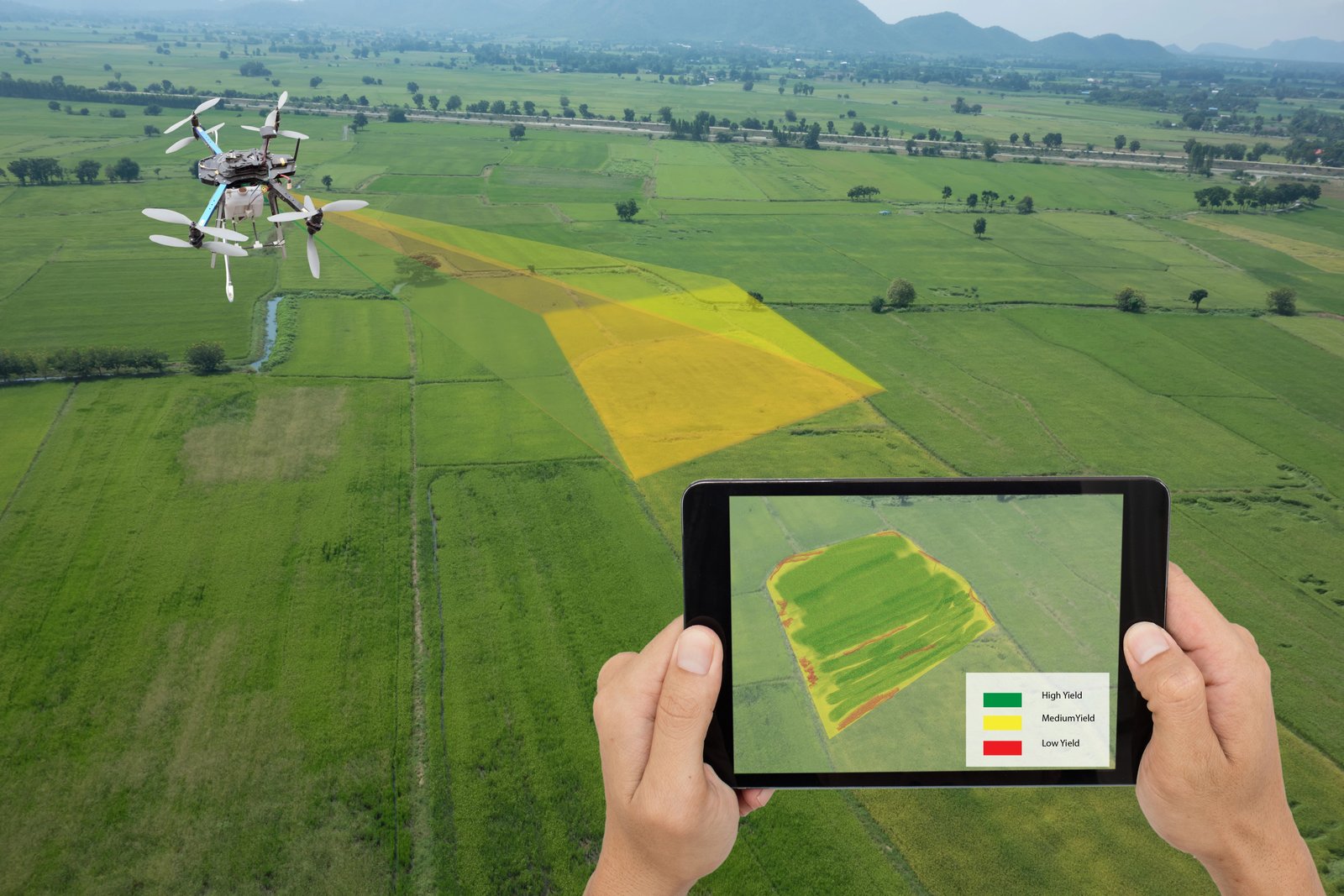
The timing of this investment is hardly accidental. Current commercial and governmental demand goes far beyond the simple ability of a drone to fly. This company has focused on infrastructure, utilities, security, and emergency services, and all of them are exactly the use cases where autonomous flight algorithms provide competitive advantages. Inspection works require more advanced autonomous systems capable of navigating the area, identifying changes, and executing repeatable flights autonomously. According to industry data released in 2025, autonomous, scalable drones with integrated analytics, infrared sensors, and LiDAR are seen as one of the most important growth drivers in the sphere of infrastructure inspections.
Autonomous navigation software layer plays an important role for the company’s business model since Skydio focuses on building a reliable end-to-end solution. Over the years, the company has become widely known for its autonomous navigation features, especially in cluttered spaces. Obstacle detection technology for autonomous drones is one of Skydio’s major products, and it is used in various conditions ranging from GPS-denied environment to complicated structures that should be inspected regularly. This software solution gives inspectors an ability to run standard inspection flights automatically and avoid additional loads.
As for the supply chain, Skydio has mentioned this point in its statements before. The fact is, many American drone companies become vulnerable after their dependence on foreign components reaches certain levels. Even domestic manufacturing is not sufficient in this case. Currently, software and hardware depth, as well as a strong supplier network, determine the ability of professional operators to rely on a certain drone ecosystem in the long run. For a long period of time, discussions in the industry were revolving around the question of who builds the best drones. The answer today depends on other factors.