

NASA’s Moon Crew Flight Puts Orion and SLS Under Pressure
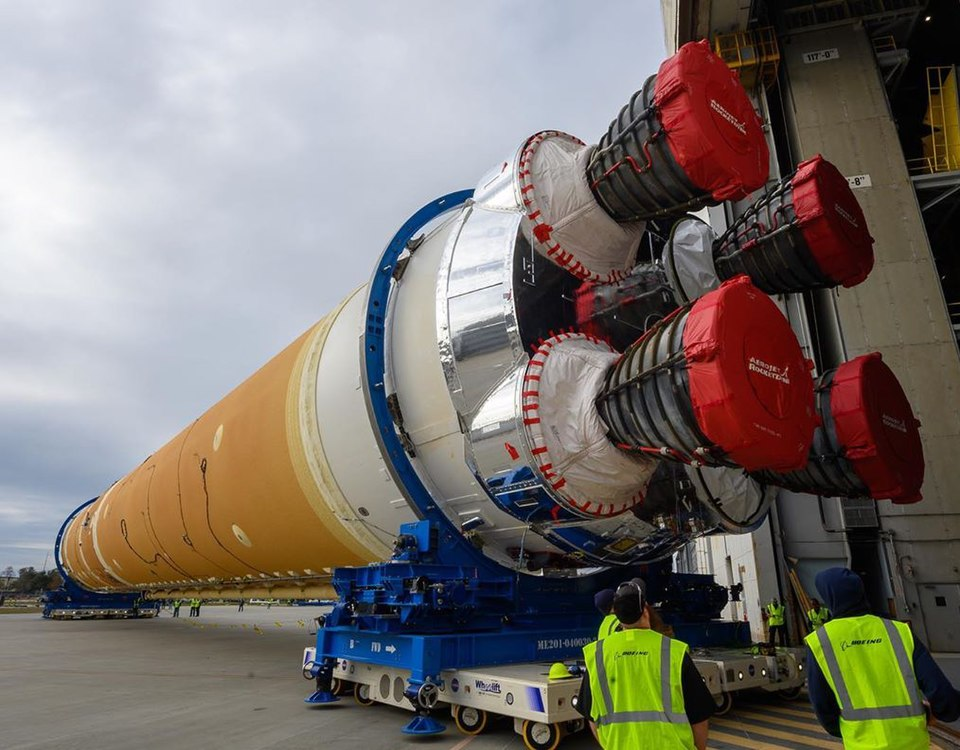
A lunar crewed flight cannot simply be seen as going back to where America had been. The flight represents the moment when the architecture of NASA’s Artemis program must prove that it can take humans further into space and bring them back. This mission, named Artemis II and lasting for some 10 days, represents the step at which the demonstration phase turns into the validation phase in order to make sure that the crew can travel to the Moon and back. This includes taking four astronauts aboard the Orion vehicle designed to carry humans on journeys to deep space, and launching them using the Space Launch System (SLS), which according to NASA is the only rocket capable of sending Orion, the astronauts, and necessary cargo straight to the Moon. This combination forms the crux of the Artemis program, meant to restore human activities close to our natural satellite after more than half a century.
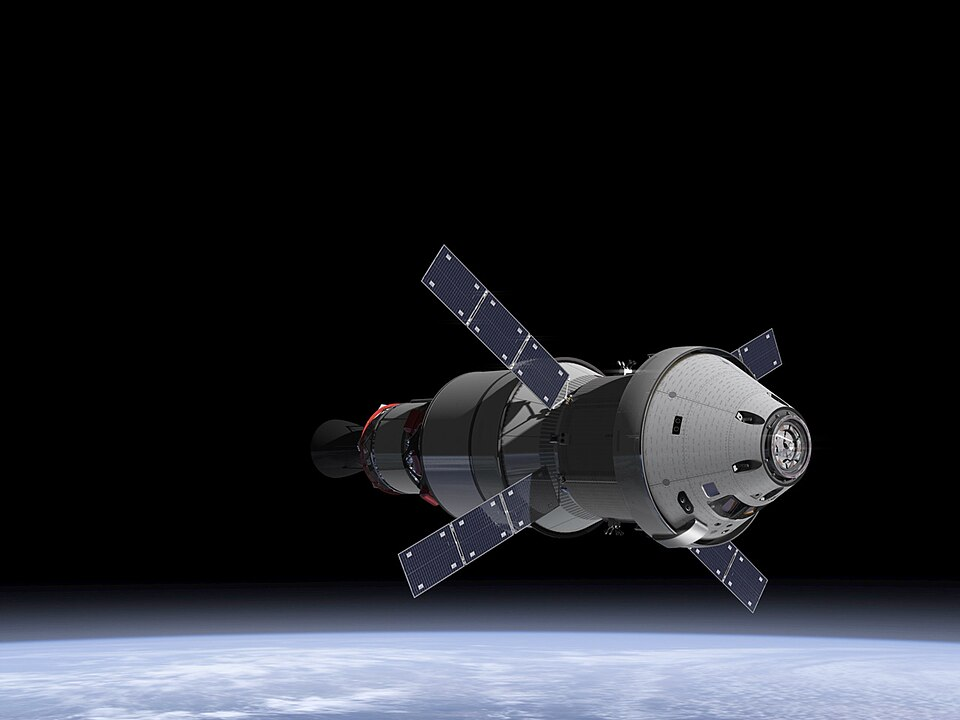
The spacecraft itself provides the key as to why this particular flight is important. According to NASA, the Orion crew module can provide life-support for four crew members for up to 21 days. This means that NASA has some buffer room in terms of making the lunar flyby mission successful and setting a solid foundation for future missions. While the Orion module carries the crew, its European built service module supplies propulsion, power, and life support for the journey. On top of this comes the launch abort system that must activate within milliseconds in case of an emergency during launch. Artemis II will be the first mission on which these elements are combined and used with actual astronauts aboard, thus requiring that the navigation, communications, environmental control, and re-entry performance must be tested.
In short, the mission will test the integrity of the system under pressure and give NASA an idea of whether Artemis could successfully complete a landing mission. Even if the immediate objective remains the same bringing humans to the Moon this mission is part of a larger picture. According to NASA’s current plans, the first lunar landing will happen in 2028, following other demonstrations that will utilize the help of commercial providers. Within such a scenario, Artemis II represents the test run for the entire transportation system that will have to establish reliable routes between the Earth, the Moon, and even the lunar surface.
In addition to this, Artemis represents the continuation of science on the lunar body as well as the preparation for Mars. Since the Moon retains geologic features that have long disappeared from Earth and holds great promise in terms of water sources in its polar regions, Artemis will allow further exploration of its potential. However, Artemis is also connected with the construction of the Gateway station as well as the entire logistical system of supplying the station and preparing surface systems. NASA claims that there are already over 60 signatories to the Artemis Accords, which indicates that Moon has become not a place for simple flights but a platform for sustained civil space activity.