

Wing’s Bay Area Drone Push Tests the Future of Fast Delivery
What will become of a delivery system that is no longer reliant on roads? The step farther into San Francisco Bay Area that Wing is planning to take is not yet about expanding the service area but an experiment to find out whether drone logistics can be mundane in one of the most complex suburban markets in the country. Previously based within Google X in 2012, the company is going back to an area where initial staff experiments in Mountain View had drone drop-offs appear like a college gimmick. The same concept is now being marketed as grocery, household, and other small emergency shopping infrastructure.

The attraction is a simple one. One of the oldest and most intractable issues in the logistics industry is last-mile delivery, particularly in urban centers such as metros whose road networks, labor expenses, and other delivery timescales all intersect. According to Wing, it already has delivered over 750,000 orders and served over two million customers in the U.S. metro such as Dallas, Houston, and Atlanta. That scale is important as the drone delivery has been positioned as more of a showcase than a scalable system. The argument put forward by Wing is that small autonomous aircraft can serve a significant portion of short-range commerce, specifically the type of purchase people desire in a few minutes, rather than hours.
Its operating model explains why the concept has lasted longer than most of the preliminary drone-delivery experiments. Wing has demonstrated a small store-to-door configuration in Texas which can be installed within a current retail location with a very small footprint. Freight Waves reported a Frisco Walmart delivery in which 18 Wing drones rode launchpads with an automated system taking charge of route planning, maintenance, and traffic control. These services were meant to scale, since flights there were monitored remotely, not by a pilot standing beside every aircraft.
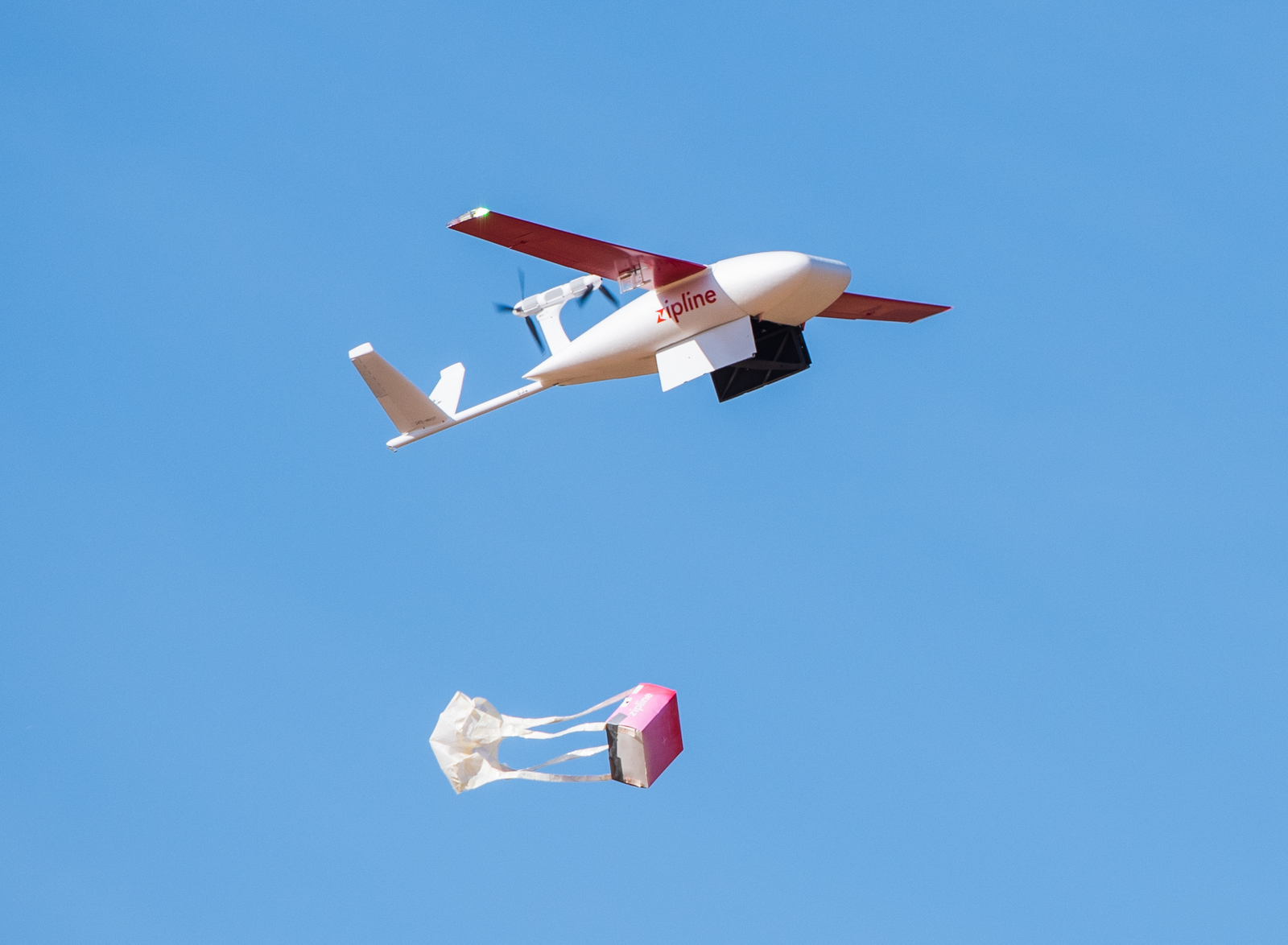
Only when drone delivery can operate in a highly automated fashion with a short turnaround time and limited interference with the current stores can it become economically and operationally interesting. Wing has been working toward that with remote operations centers, tethered package drops and an AutoLoader system that helps cut even more labor out of stores. The company is also a pilot that can fly even without visual line of sight under federal permits, a feature that transforms drones into networked transportation devices, rather than a local device. The aircraft were reported to fly in Frisco at approximately 65 mph, at an altitude of approximately 200 feet which was speedy enough to make a short delivery a more software action than a traditional courier journey.
But expansion in the Bay Area returns Wing to the most difficult section of the discussion: not that drones can fly, but that they can fit in to normal life in the city. Regulations, privacy issues, community noise, weather restrictions, low-altitude airspace regulations all are in-between a successful trial and a lasting network. It is generally accepted that the FAA Part 108 proposal on BVLOS operations is the regulatory bridge that will allow the industry to lose the current patchwork of waivers and replace them with a more enduring framework. When that structure gets established, businesses such as Wing will have a better avenue to expanded service zones and more predictable operations.
That test should be conducted in the Bay Area. It unites technology-minded customers with congested streets, high foot traffic, and the type of demand dynamics that reveal the level of utility of autonomous delivery or simply make it look impressive. Should Wing manage to make drone drop-offs feel standard there, the wider logistics ecosystem will be better able to answer a question it has long had on its mind: how much of local delivery can be taken off the street and into the air?