

NASA brands Starliner ordeal a top-tier failure and demands accountability
The worst event in the history of NASA is now linked to the Starliner crew test by Boeing, an in-house designation that is assigned to the agency when there is a loss, a loss of control, significant damage, or deaths. The ruling, which is one of the newly released inquiry reports, reinterprets the Crewed Flight Test of 2024 as an embarrassing extension of a brief shakedown flight. It makes the episode a safety-and-leadership failure so severe that we can classify it with the most significant flops in the history of the agency, in spite of the fact that no one was harmed.
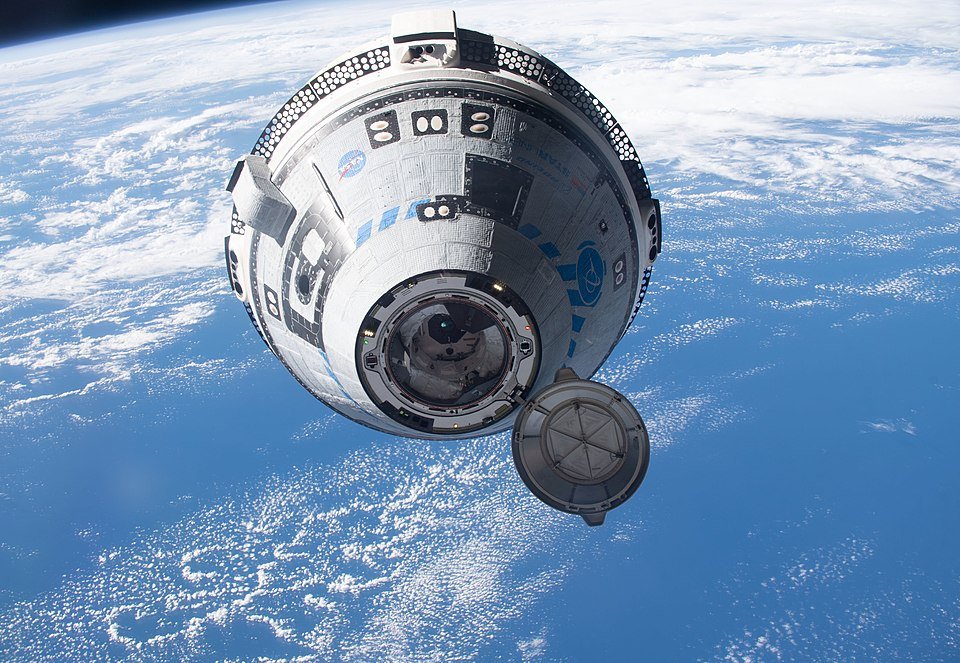
The main plot of the narrative revolves around a mission which started as a mere display but turned out to be a long-standing dependency on the International Space Station as a safe haven. Starliner took off on June 5, 2024 with NASA astronauts Suni Williams and Butch Wilmore on board and is anticipated to come back after approximately eight to 14 days. Rather, the failure of the propulsion-systems manifested themselves during the operations in orbit, and it was part of a chain of engineering and programme-related choices which guided NASA to bring the spacecraft home, without its crew. Starliner landed in White Sands, in September 2024, and Williams and Wilmore continued to remain in space until a subsequent ride home to SpaceX on its Crew-9 in March 2025.
NASA Administrator Jared Isaacman was not typical in the language he used in an agency statement accompanying the findings where he discussed shared responsibility. “While Boeing built Starliner, NASA accepted it and launched two astronauts to space,” he said. “To undertake missions that change the world, we must be transparent about both our successes and our shortcomings. We have to own our mistakes and ensure they never happen again.”
The flight and commissioned investigation, which would be finalised in late 2025, explains that an interaction between factors enabled the risk to build up. Part of the picture were the technical problems, however, not the only ones. Researchers identified hardware malfunctions combined with deficiencies in qualification, then expanded the focus to leadership errors and cultural collapses that led to an environment that was not in compliance with NASA human spaceflight safety provisions. In the report, it is also indicated that NASA sought to keep two independent providers of the crew-transporting services which led to the engineering and operational decisions especially the mission and the immediate aftermath.
One of the most crucial operational points that the agency pointed to was the approach to the station, during which the manoeuvring ability of Starliner lost functionality before it could be regained. According to NASA, the “type A” designation is a product of the financial harm associated with it, as well as the fact that it could have been much worse. “While there were no injuries and the mission regained control prior to docking, this highest-level classification designation recognises there was potential for a significant mishap,” the agency said.
Such focus on the idea of “two providers” lies in the core of the commercial crew approach. The leadership of NASA Commercial Crew has long believed in the concept of dissimilar redundancy, between different spacecraft, different teams and different operating methods, in order that one technical issue does not bring the US access to space. In 2024, commercial crew programme manager Steve Stich referred to the merit of that strategy as a dissimilar redundancy, since it is true that human spaceflight seldom fails in a clean manner.
The subsequent actions of Starliner represent how the agency intends to reconstruct that redundancy without making the same acceptance choices. NASA has resolved that the next Starliner flight to the ISS will have no crew and they are scheduled not before April 2026. The mission is projected to transport cargo and modifications in the systems of the change after the crewed examination, but NASA and Boeing keep on with propulsion examination and proceed with the corrective measures in the investigation before another crewed effort.
To the broader aerospace supply chain, and to any programme attempting to juggle schedule, certification evidence and operational demand, the Starliner report makes it appear that redundancy is not just a matter of possessing a second vehicle. It is also concerning the self-control of saying “not yet” when the objectives of a programme begin to overpower the quality of its evidence.
_(cropped).jpg)