

Artemis II Readiness: Where Launch Discipline Meets Heat-Shield Physics
“We need to get this next test flight right. That’s how the Artemis campaign succeeds,” said NASA Administrator Bill Nelson.
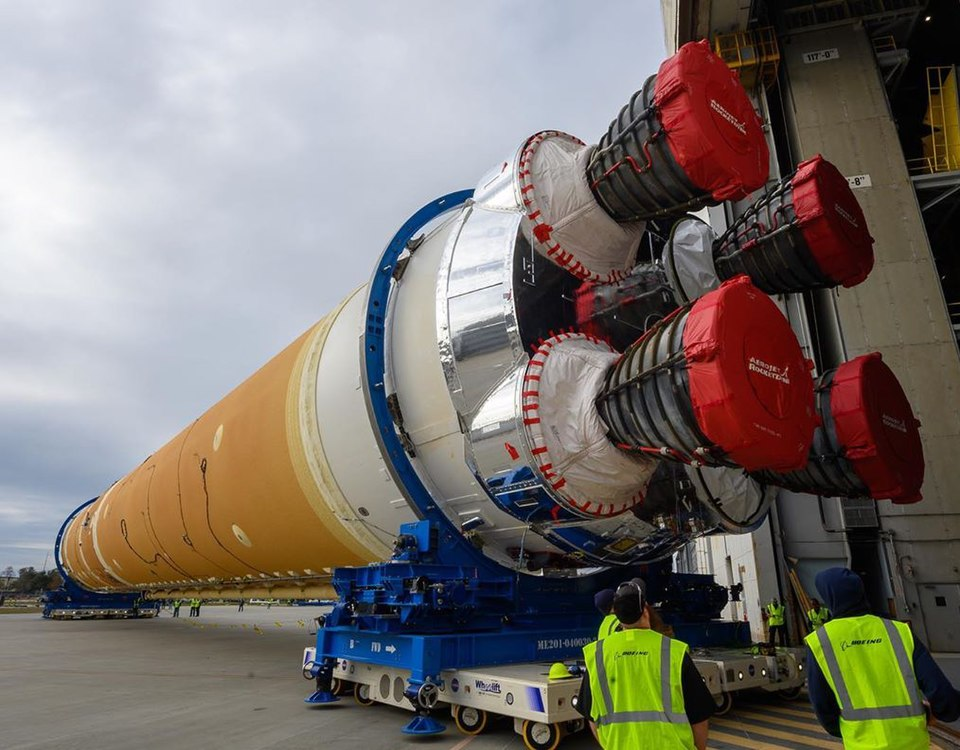
The given sentence reflects a working reality that is within the Firing Room 1 within the Kennedy Space Center where Artemis launch team takes the preparedness as a product of engineering instead of a date. Artemis I demonstrated that a launch attempt can be paper-based and still “no-go” in reality, particularly when the launch vehicle is large as SLS and all its seals, valves and thermal boundaries are shifting day by day.
Cryogenic loading was the proving ground on Artemis I. Liquid oxygen at about -300°F and liquid hydrogen lower than -400°F compelled the launch team to control more than quantities and pressures; they had to control history of temperature in plumbing, engines and seals. The minor molecular size of hydrogen turned leaks and poor seal a watch item that always “chilled down.” In an effort to achieve its necessary thermal state in one SLS engine, which did not occur during an August 2022 test, cryo propulsion engineer Joe Pavicic escalated the problem, and suggested a scrub, despite crowds on the roads surrounding the spaceport. The point was not drama. It was an expression of the NASA culture of operation: anyone could halt the count when the criteria were not met.
The reaction to such scrub turned out to be a model of the Artemis II: rapid education, regulated modifications and reproducible processes. A slower fueling profile was developed by the team of Pavicic and it was named as “chill and fill,” a “kinder and gentler loading” that enhanced thermal conditioning behavior. The teaching was limited, how to load propellants more safely, but the lesson was general, that human-rating starts on the ground, in the tightness with which the teams are coupled in the data they carry, in decision-making authority, in disciplined pacing.
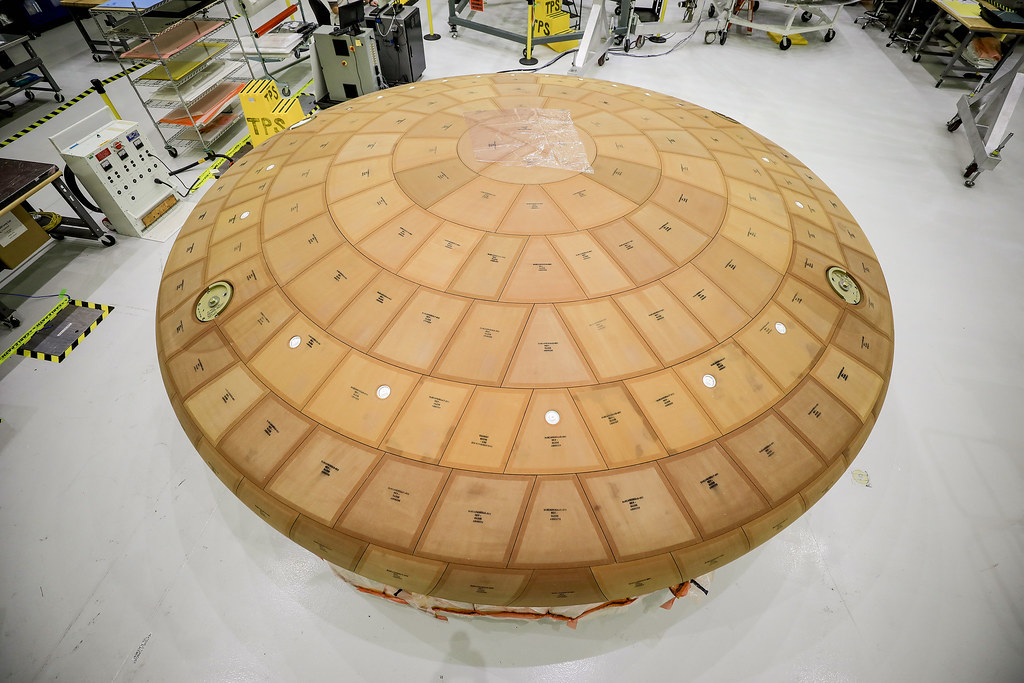
The same attitude gets transferred to a new category of risk in Artemis II: reentry. An inspection of Orion after the Artemis I mission discovered the loss of charred material upon the heat shield in an unexpected manner. The NASA investigation concluded that the gases released within Avcoat did not escape into the environment as expected during the skip-entry so that pressure could build up and that cracking could occur. Test and analysis was based on years of facility testing and over a hundred tests, and was based on flight instrumentation data. Artemis I, which is a very important piece of evidence on crew safety margins, despite the shedding observed, NASA reports the thermal performance was higher than expected and cabin temperatures were in the mid-70s°F range throughout the Artemis I launch.
In the case of Artemis II, NASA will operate with the heat shield already attached and implement operational modifications that would involve modifications on the entry trajectory of Orion to control the environment that resulted in the char-loss behavior. Simultaneously, NASA is undertaking construction improvements of new generation heat shields to attain more balanced permeability- an instance of how a test campaign nourishes both short-term flight justification and long-term production remedies.
It is that integration of operations and hardware that carries on at the pad. The Artemis II flow of NASA consists of a wet dress rehearsal to fill over 700,000 gallons of cryogenic propellants, a terminal count holds and resumes, and a detanking without astronauts exercise. The logic behind this remains the same, demonstrate that the complex systems, the ground infrastructure and human procedures will act as one machine before placing crew to the apex of it.
April 2026 is now the target of Artemis II at NASA. Within Firing Room 1, the one that is more resilient is the schedule written in checklists, sensor traces and the mute power to pronounce “no-go” when the data dictates it.