

Artemis 2 edges toward launch as NASA readies first crewed lunar flyby in decades
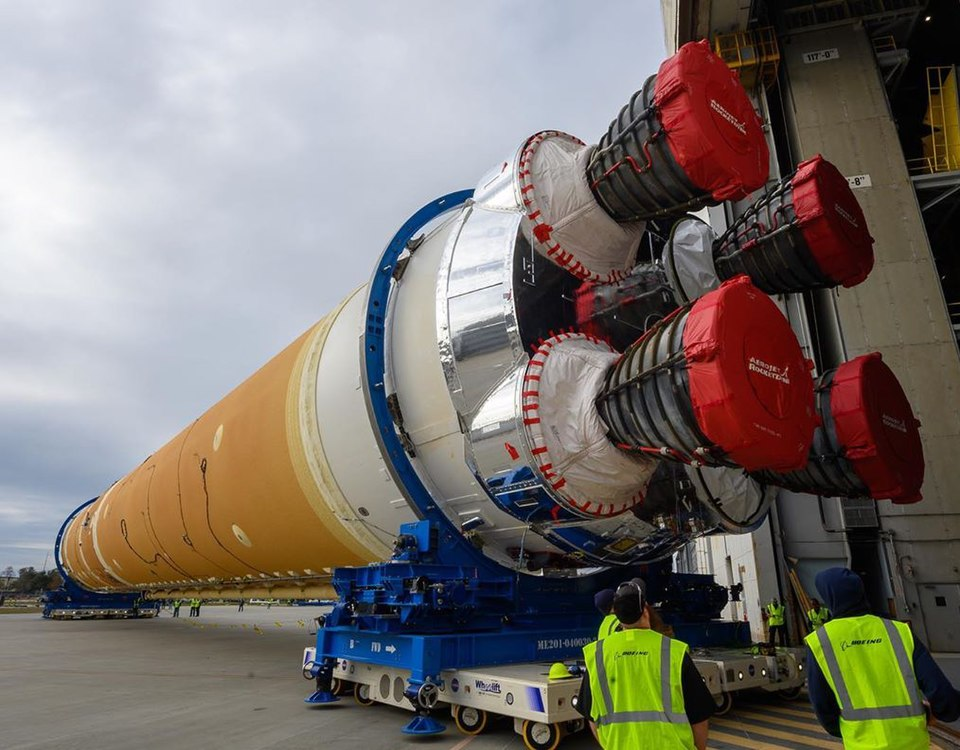
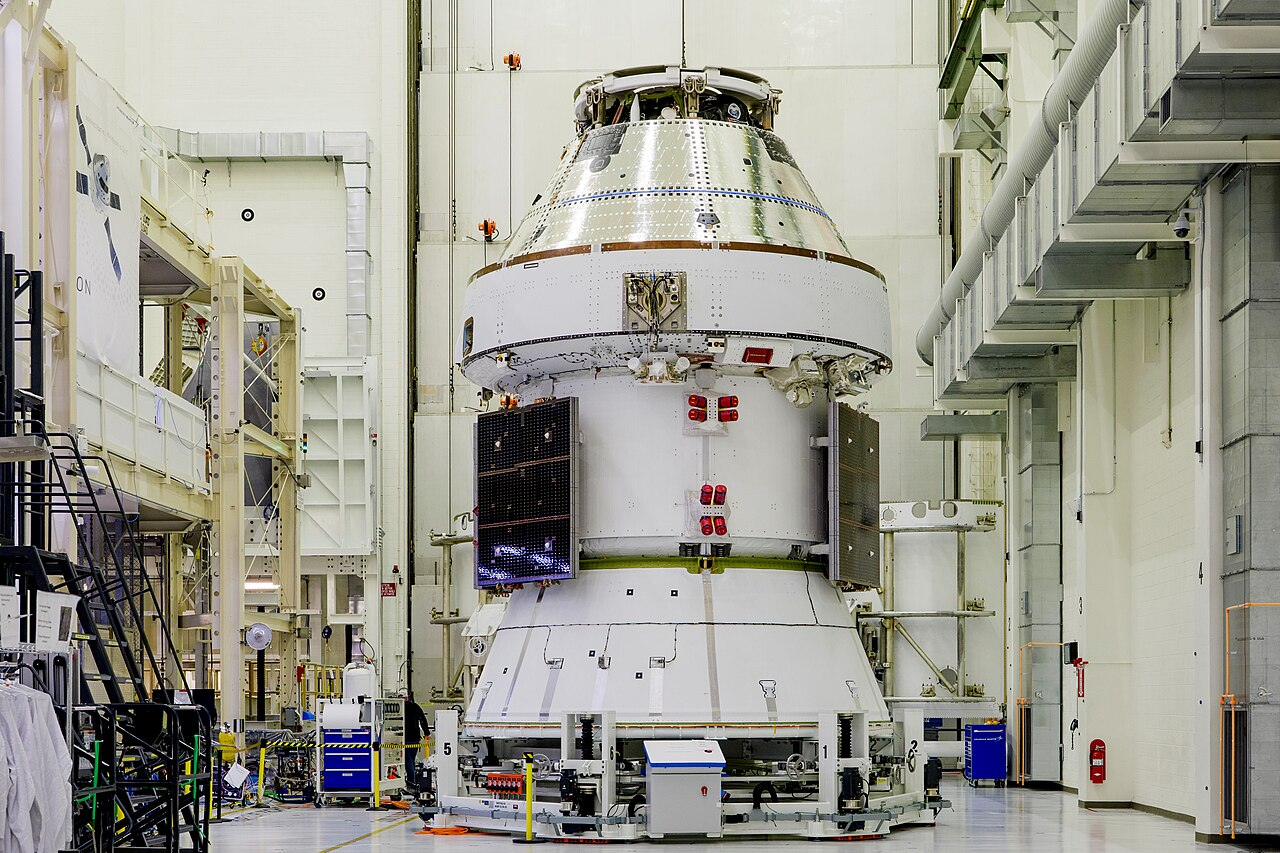
The enormous Space Launch System (SLS) rocket and Orion spacecraft are practically ready to roll out to the launch pad, which is one of the last steps before the Artemis 2 mission is launched. The Artemis 2 mission will be the first mission with a crew to venture beyond low-Earth orbit in over 50 years. The mission will orbit the moon for 10 days with a crew of four.

The Artemis 2 mission will be the direct follow-on from the Artemis 1 mission that was completed in 2022 and demonstrated the capability of the SLS rocket and the Orion spacecraft together in space. On the next mission, rather than demonstrating capability, the astronauts will be testing the systems of the spacecraft in the real conditions of space as it would be experienced in the Artemis 3 mission where the astronauts land on the surface of the moon.
The transportation of the stack from Kennedy Space Center in Florida, in the Vehicle Assembly Building, to Launch Pad 39B is expected no earlier than January 17. Though it is a short distance, it takes a total of 12 hours to traverse merely four miles at one mile an hour because of the weight of 11 million pounds that it carries in the crawler transport vehicle. It would then require some time for the team of engineers to connect all the necessary components, including power, environmental control, and cryogenic propellant.
Currently, some of the issues that were recently tackled by this team of engineers include replacing a cable that was bowed out of specification in the flight termination system, a leakage that was related to Orion’s breathing air supply, and a new valve that was installed in the hatch pressurization system. These are just some of the measures being taken to ensure that crew safety always comes first.
Towards the end of January, NASA will also perform a wet dress rehearsal, and this will be a realistic test of fueling and counting down for liftoff without firing up the propulsion systems. The test will involve loading more than 700,000 gallons of liquid hydrogen and oxygen into the spacecraft, simulating the terminal countdown holds and restarts, as well as safely offloading the propellants. The closeout crew, who will be tasked with placing the astronauts inside the Orion spacecraft on the day of liftoff, will perform this test.
Only after a successful Wet Dress Rehearsal will the mission managers conduct a flight readiness review to establish the launch date. The initial launch window will be on February 6th, and further chances will be possible in February and April. These launch windows have been chosen based on orbital considerations such as when it will be in shadow for an extended period and therefore be less able to utilize solar power. Once it has lifted off, the Artemis 2 spacecraft will initially go into a high orbit around the Earth in order to perform a complete systems check of the spacecraft’s life support systems and other systems.
Next, the crew of the spacecraft must perform a trans-lunar injection, sending the Orion spacecraft into a free return orbit that uses the gravity of the moon to send the spacecraft back to the Earth when it has finished its mission. During the flight, the astronauts must perform manual maneuvers of the spacecraft in proximity to the upper stage, as well as perform communication checks with the Deep Space Network, in addition to conducting scientific experiments along the flight path. If everything goes according to plan, the Artemis 2 spacecraft could make it possible for humans to return to the surface of the moon with the Artemis 3 mission later in the decade, but it also has a major role in plans to send humans to the planet of Mars in the future.